
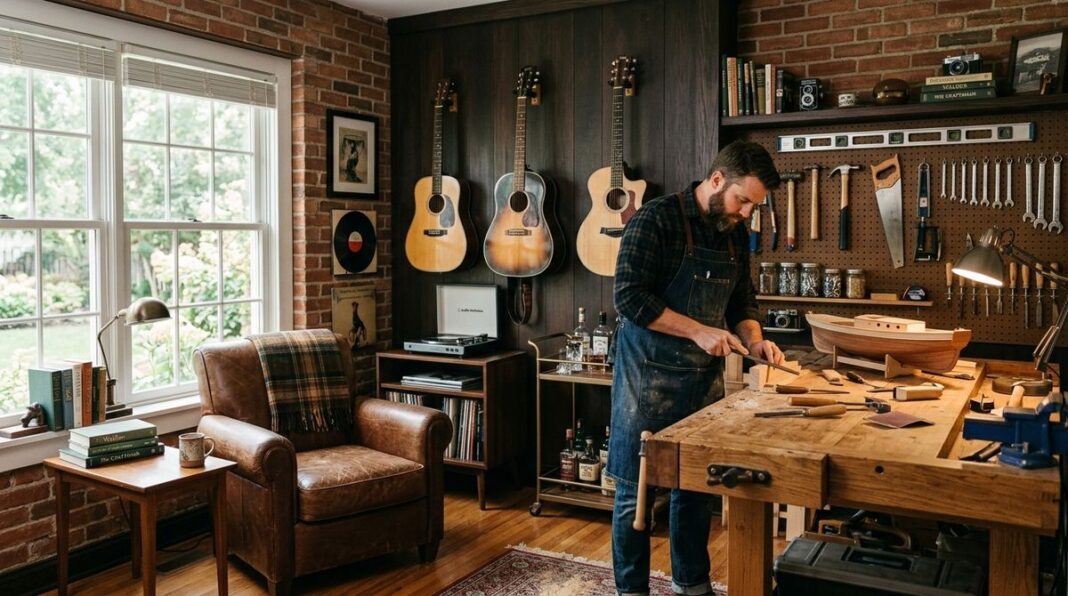


Creating a space in your home devoted to your passions can be a rewarding endeavor. Whether you enjoy crafting, woodworking, painting, or model building, having a place where you can leave your projects undisturbed is a significant advantage. The challenge often lies in designing an area that is not only functional but also durable enough to withstand the wear and tear associated with your chosen hobby. Thinking through your needs before you begin can save you time and frustration down the road.
Assessing Your Workflow Needs
Before you begin moving furniture or rearranging your room, it is essential to consider how you actually work. Observe your process during a typical session. Do you need a large flat surface for laying out materials, or do you require specialized racks to keep tools within reach? Consider the flow of your movements and the items you use most frequently. If you have already explored the basics of turning a spare room into a productive hobby sanctuary, you might have a good start, but now it is time to refine that space for long-term intensity.
Think about the materials you use. Are they messy? Do they require specific temperature or humidity conditions? A hobby space for clay modeling, for instance, has different requirements than a space for delicate electronics work. Map out the zones in your room: a clean zone for final assembly and a rough zone for messy, initial stages of a project. By compartmentalizing your tasks, you can better manage clutter and ensure that each part of your hobby receives the dedicated focus it requires.
Foundations for Durability and Cleanup
The foundation of any good hobby room is the floor. It is often the most neglected aspect of home design, yet it experiences the most stress. In a dedicated workspace, you need a surface that can handle dropped tools, spilled liquids, and heavy foot traffic. You should look for materials that are easy to clean and resistant to stains and abrasions. For a space that handles heavy equipment or messy crafts, consider the durable options at Angelos Epoxy Flooring to provide a smooth and resistant surface.
Beyond durability, think about comfort. If you plan on standing for long periods while working, a hard, unforgiving floor can lead to fatigue. If a full floor treatment is not feasible for your entire room, consider using high-quality mats in your primary standing areas. These can provide a cushion for your feet and joints, allowing you to spend more time on your projects. Keeping your floor clear of clutter is equally important, so ensure that your storage solutions handle as many of your supplies as possible, keeping the floor surface free for work.
Selecting Furniture That Supports Projects
Your furniture should be the backbone of your hobby area. Avoid the temptation to use old furniture that is not up to the task; instead, look for pieces designed for longevity and specific utility. Stability is paramount. A wobbly workbench can ruin a delicate project and lead to frustration. If you are starting your search for sturdy desks or storage units, it is worth browsing the inventory at newdiscountfurniture.com to find pieces that fit your room dimensions and style.
When selecting your main workspace, consider adjustable height options if possible. This allows you to switch between standing and sitting, which can help alleviate strain during long sessions. Look for desks with solid frames and surfaces that are resistant to scratches or heat, depending on your hobby. If you work with bulky materials, modular furniture can be a great asset, allowing you to reconfigure your layout as your project needs evolve. The goal is to create a setup that works with you, not against you.
Optimizing Storage for Quick Access
Organization is the key to maintaining a workspace that stays usable. Clutter is the enemy of productivity and focus. Use vertical space whenever possible to keep your work surfaces clear. Wall-mounted pegboards, shelves, and cabinets can hold a surprising amount of gear. Categorize your tools and materials by how often you use them. Items that are used daily should be at eye level or within easy reach, while infrequent items can be stored in bins or on higher shelves.
Consider labeling your storage bins. It might seem like a small step, but it makes a significant difference in quickly finding what you need and, more importantly, putting it back where it belongs. Clear plastic bins can also be useful for seeing contents at a glance. Remember that a well-organized space not only looks better but also makes the act of starting a project much easier. When everything is in its designated place, you can spend less time searching for tools and more time enjoying your hobby.
Lighting and Ergonomics for Sustained Comfort
Proper lighting is perhaps the most underrated aspect of any workspace. General overhead lighting is rarely enough for detailed projects. You should aim for a layered approach to lighting. Start with good, bright overhead illumination to establish a baseline. Then, add task lighting that can be directed precisely where you need it most. An adjustable desk lamp or a magnifying lamp can dramatically improve your ability to see fine details and reduce eye strain.
Ergonomics is not just for office environments; it is crucial for any activity where you spend significant time. Ensure your chair provides proper back support. If you work standing up, ensure your workbench height is aligned with your natural posture to avoid hunching. Take regular breaks to stretch and move around. Your body will thank you, and you will likely find that you can work for longer periods without feeling physically exhausted. Creating a space that prioritizes your comfort is an investment in your creativity.
As you settle into your new hobby area, remember that the design is a living process. You may find that certain setups do not work as well as you imagined, and that is perfectly fine. The beauty of a dedicated hobby space is that it is yours to adapt and modify. Pay attention to how the room feels and how your workflow evolves over time. By staying observant and willing to make small adjustments, you will ensure that your space remains a genuinely useful sanctuary for your pursuits for many years to come.