
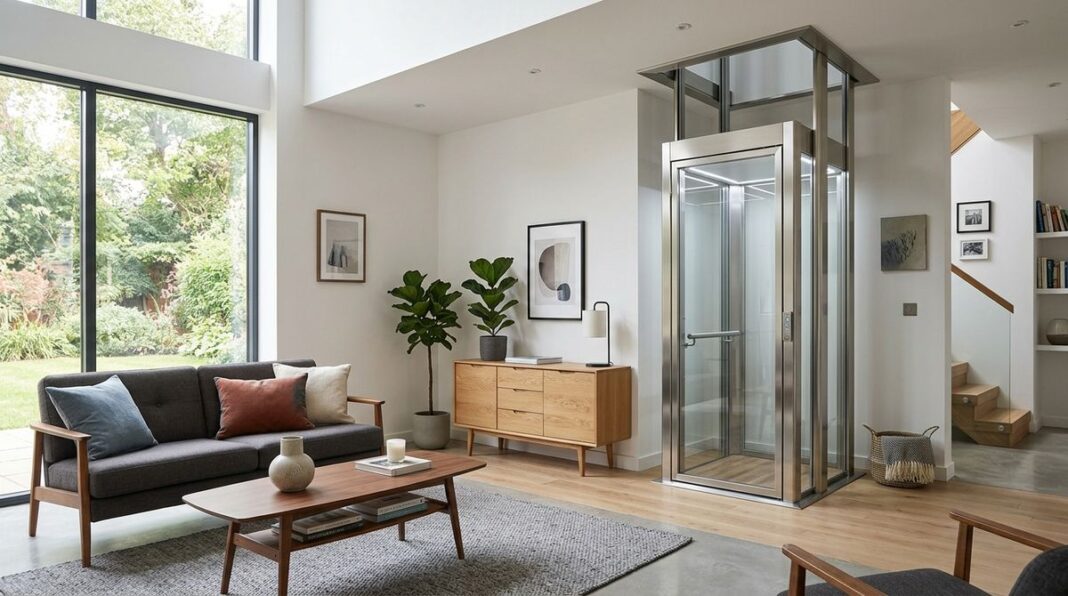


Many households find themselves with a spare room that eventually becomes a catch-all for items that do not have a designated place elsewhere. Over time, this space can become overwhelming, rather than serving as a genuine asset to your daily life. Transforming such an area into a productive sanctuary requires intentional planning and a clear understanding of what you need your home to provide for you. By approaching the room with a focus on utility and comfort, you can reclaim this square footage for work, hobbies, or quiet reflection.
Assessing the Space for Multiple Uses
Before moving any furniture, take a moment to observe how light enters the room throughout the day. Natural light is a significant factor in how a room feels and functions. If you plan to use the area for concentrated tasks, consider placing your primary workspace near a window, provided that screen glare does not become an issue. Conversely, if the room is intended for relaxing activities like reading or gentle exercise, you might prioritize a layout that avoids direct light during certain hours.
Think critically about the potential for multiple uses. A room does not have to be limited to a single function. A desk can serve as both a workspace and a craft table, while a comfortable chair can bridge the gap between a reading nook and a place to rest. The key is to define what the space should accomplish without overcrowding it. Keeping the floor relatively clear allows the room to breathe, making it feel larger and more inviting regardless of its actual dimensions.
Strategic Storage for Hidden Utility
In a multi-purpose room, storage is often the difference between a functional area and a cluttered one. Instead of relying on floor-based storage units, consider how you can utilize the full height of your walls. Shelving that reaches toward the ceiling can house items you do not use every day, while lower shelves remain accessible for frequent tasks. This vertical approach keeps the center of the room open.
When selecting storage containers, uniformity often helps reduce visual noise. Using matching bins, baskets, or boxes creates a cohesive look that allows the room to feel organized even when it contains a variety of objects. Consider these strategies for optimizing your storage:
- Use labeled bins to identify contents quickly without having to open every container.
- Install wall-mounted hooks for items that can hang, such as bags, tools, or fabric.
- Choose furniture that offers hidden storage, such as ottomans with compartments or desks with deep drawers.
- Keep essential tools for your primary tasks within easy reach to prevent unnecessary movement.
By keeping the surfaces clear, you create a sense of order that makes it easier to focus on whatever activity you are currently pursuing in the room.
Sustainable Living in Small Environments
Making a room truly functional often involves considering how the materials you bring into the space impact your home environment. Choosing durable, long-lasting items reduces the need for frequent replacements, which is a key component of mindful living. When you are looking for ways to make your home more sustainable, you can explore resources like Greenrenters.org, which offers insights into managing the opportunities and challenges of creating an eco-friendly living space, even when your setup is temporary or limited in size.
Sustainability also extends to how you manage the air quality and temperature of your spare room. Simple practices, such as choosing natural fibers for curtains or area rugs, can make a difference. Avoiding overly complex or non-recyclable materials in your furniture choices helps ensure that the room remains a healthy environment for you and your family.
Embracing Iterative Improvement
It is rarely possible to get a room perfectly organized on the first attempt. Your needs will change, and the way you use the space will likely evolve. Instead of aiming for a static ideal, view your room as a work in progress. This approach encourages you to adjust the layout, swap out furniture, or change your storage methods as you learn what actually works for you in practice.
If you find that your current setup feels stagnant or less effective than you hoped, seek out new ideas and fresh perspectives. The habit of constant adjustment is helpful for any project, and you can find inspiration for this mindset at rough-draft.net, which emphasizes the value of continuous refinement and improvement in the things we build and believe. By adopting an iterative mindset, you prevent the frustration of feeling stuck with a layout that no longer suits your life.
Adapting Your Home to Changing Needs
The role of a spare room within your home is not permanent. As families grow and life circumstances shift, the space might need to transition from a quiet office to a shared play area or a guest room. Building flexibility into the room’s design—such as using modular furniture or easily adjustable lighting—makes these transitions much smoother when the time comes.
Designing for change ensures that you are not constantly redoing the entire room whenever your priorities shift. Think about your future needs alongside your current ones. For more guidance on managing this type of long-term planning, you might find it useful to review our earlier article about a kitchen that grows with your family, which offers a broader perspective on how living spaces can be designed to evolve alongside your lifestyle. Taking a long-term view allows you to create a home that supports you through various seasons of life.
Ultimately, a spare room should be a versatile tool that enhances your daily routine. By focusing on smart storage, sustainable practices, and the flexibility to adapt to future changes, you can ensure that this space remains a genuinely useful part of your home. It does not require a complete overhaul or high-end materials to achieve this, just a bit of patience and a willingness to thoughtfully curate the environment you live in every day.