


The first five years of a child’s life are unlike any other period. The brain grows faster, learns more, and builds more foundational structures during this window than it ever will again. What happens in these early years doesn’t just shape childhood — it shapes everything that follows.
The Brain Is Building Itself
From birth, a child’s brain is forming millions of neural connections every single day. These connections — built through experiences, interactions, and environment — become the architecture for thinking, feeling, and relating to the world.
This is why early experiences carry such weight. A warm, responsive caregiver isn’t just providing comfort. They’re actively helping wire a child’s brain for emotional regulation, trust, and resilience. Neglect or chronic stress during this period can disrupt that wiring in ways that are much harder to address later.
The early years are not a passive time. They are, in many ways, the most active and consequential period of human development.
Language, Learning, and Curiosity Take Root
Children in their first five years absorb language at a remarkable pace. They learn not just words, but patterns, tone, and the subtle social cues embedded in conversation. Reading to children, talking with them, and responding to their questions all fuel this process.
This is also when a child’s relationship with learning itself begins to form. A child who is encouraged to explore, ask questions, and make mistakes in a safe environment develops a natural curiosity. One who is frequently criticized or shut down may begin to associate learning with anxiety or failure — a mindset that can persist long into adulthood.
Social and Emotional Foundations Are Set
Before a child ever enters a classroom, they’re already learning how to manage emotions, navigate conflict, and form relationships. These skills — often grouped under social-emotional development — begin forming in infancy.
Secure attachment, developed through consistent and nurturing caregiving, gives children a stable base from which to explore the world. It helps them handle frustration, build friendships, and trust adults. Without it, children often struggle with behavior and emotional regulation in ways that are difficult to untangle later.
The emotional patterns established in early childhood don’t disappear. They travel with children into school, into relationships, and eventually into adulthood.
Play Is Serious Work
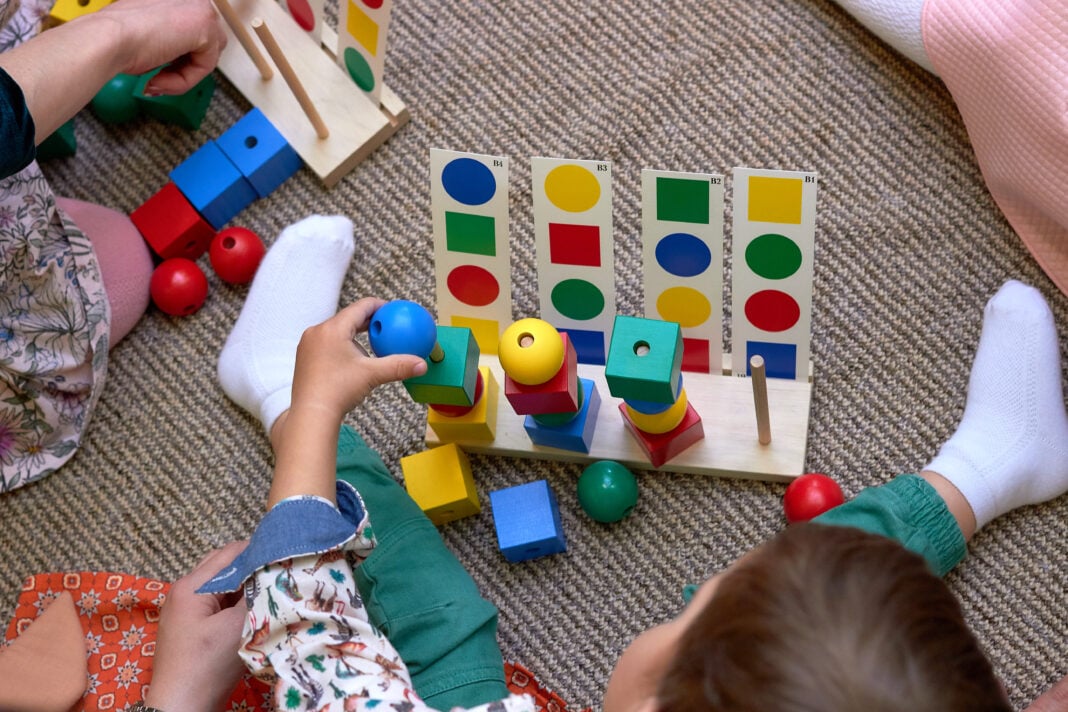
It might look like fun — and it is — but play is one of the most powerful developmental tools children have. Through play, children practice problem-solving, develop language, build creativity, and learn to cooperate with others.
Free, unstructured play matters just as much as guided activities. When children are given space to imagine and create without a script, they develop self-direction and confidence. These are qualities no worksheet can teach.
What This Means for Parents and Caregivers
You don’t need a perfect environment or an expensive curriculum. What children need most is presence, warmth, and responsiveness. Talking, playing, reading, and simply being attuned to a child’s needs creates the conditions for healthy development.
This isn’t about pressure — it’s about awareness. Understanding that these years matter helps caregivers make more intentional choices, even in ordinary moments.
The first five years won’t determine every outcome. But they build the foundation everything else is built upon. That foundation deserves attention, care, and investment — starting now.