
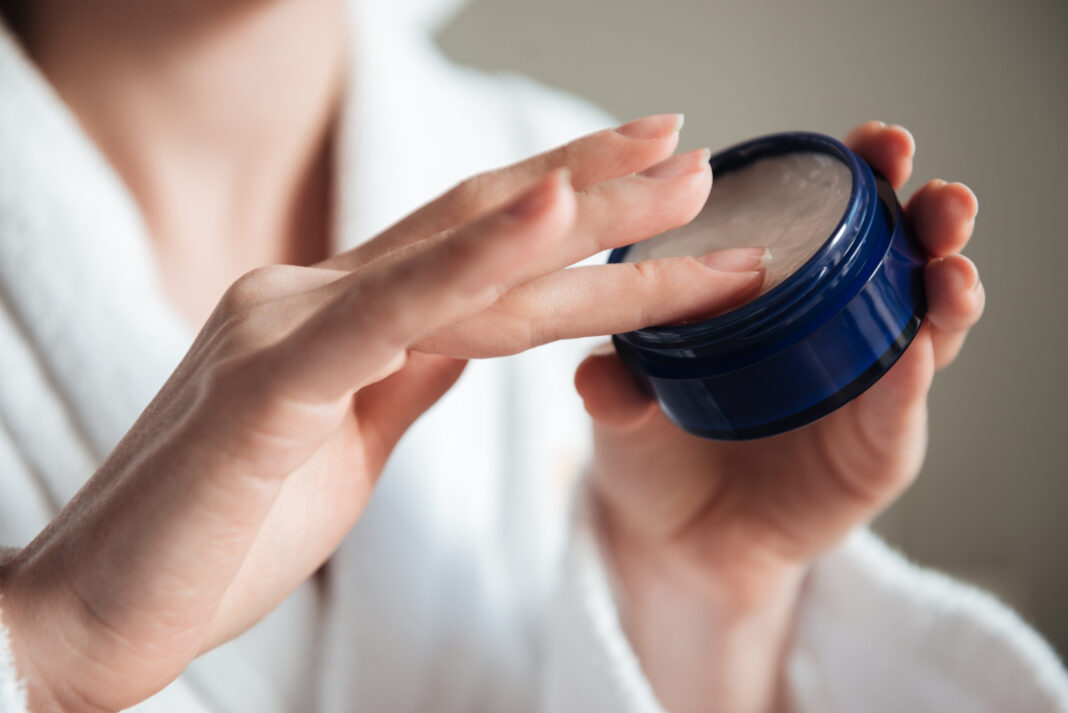


If your skin flares up at the slightest change — a new product, a shift in weather, or even stress — you likely have reactive skin. Finding the right moisturizer can feel like navigating a minefield. The wrong formula can trigger redness, itching, or breakouts within hours. The right one? It calms, protects, and supports your skin barrier without causing a reaction.
Here’s what you need to know.
Understanding Reactive Skin
Reactive skin isn’t technically a skin type in the clinical sense — it’s more of a condition. It describes skin that responds intensely to internal and external triggers. This includes fragrances, harsh chemicals, temperature changes, and even certain natural ingredients.
The root cause is often a compromised skin barrier. When this protective layer is weakened, irritants penetrate more easily, and your skin struggles to retain moisture. This cycle leads to chronic sensitivity, tightness, and inflammation.
Choosing the right moisturizer starts with understanding this vulnerability.
What to Look for in a Moisturizer for Reactive Skin
Not every moisturizer marketed as “gentle” or “sensitive skin-friendly” is truly suited for reactive skin. You need to go deeper than the label. Focus on these key factors:
1. Minimal ingredient lists
Fewer ingredients mean fewer chances for a reaction. Look for products with short, simple formulas. Every ingredient on the list is a potential trigger, so less is genuinely more.
2. Fragrance-free formulas
Fragrance — both synthetic and natural — is one of the most common causes of skin reactions. Even products labeled “unscented” can contain masking fragrances. Always check the full ingredient list.
3. Barrier-supporting ingredients
Look for ceramides, fatty acids, and cholesterol. These ingredients mimic the skin’s natural lipid structure and help rebuild a compromised barrier. Niacinamide is another excellent option — it soothes inflammation and strengthens the skin.
4. Humectants over occlusives
Humectants like hyaluronic acid and glycerin draw moisture into the skin gently and are generally well-tolerated. Heavy occlusives, like petrolatum or silicones, can be useful but may feel suffocating or cause congestion in some reactive skin types.
5. pH-balanced, non-comedogenic options
A moisturizer with a pH close to skin’s natural level (around 4.5–5.5) minimizes disruption and supports healthy skin function.
Ingredients to Avoid
Some ingredients are notorious for triggering reactions in sensitive and reactive skin types. Be cautious of:
- Alcohol (denat.) — strips and dries the skin
- Essential oils — even natural ones can be highly irritating
- Artificial dyes and colorants
- Preservatives like methylisothiazolinone (MI) — a well-documented sensitizer
- Exfoliating acids at high concentrations — AHAs and BHAs can be too aggressive
The Best Moisturizer Formats for Reactive Skin
Cream or lotion? Creams tend to be richer and more protective, making them ideal for reactive skin that’s also dry. Lotions are lighter and may suit reactive skin that’s combination or oily.
Gel moisturizers — while refreshing — often contain ingredients like alcohol or botanical extracts that can irritate reactive skin. Approach these with caution.
Ointments and balms are best for extremely reactive or eczema-prone skin. They’re typically the most occlusive and often contain the fewest ingredients.
Patch Testing: Non-Negotiable
Before applying any new moisturizer to your entire face, always patch test. Apply a small amount to your inner wrist or behind the ear and wait 24–48 hours. This simple step can save you from a full-blown skin reaction.
Final Thoughts
Managing reactive skin takes patience and a willingness to simplify your routine. The best moisturizer for reactive skin isn’t always the fanciest or most expensive — it’s the one your skin tolerates and thrives on. Prioritize barrier repair, avoid known irritants, and introduce new products slowly.
Your skin will thank you for it.