
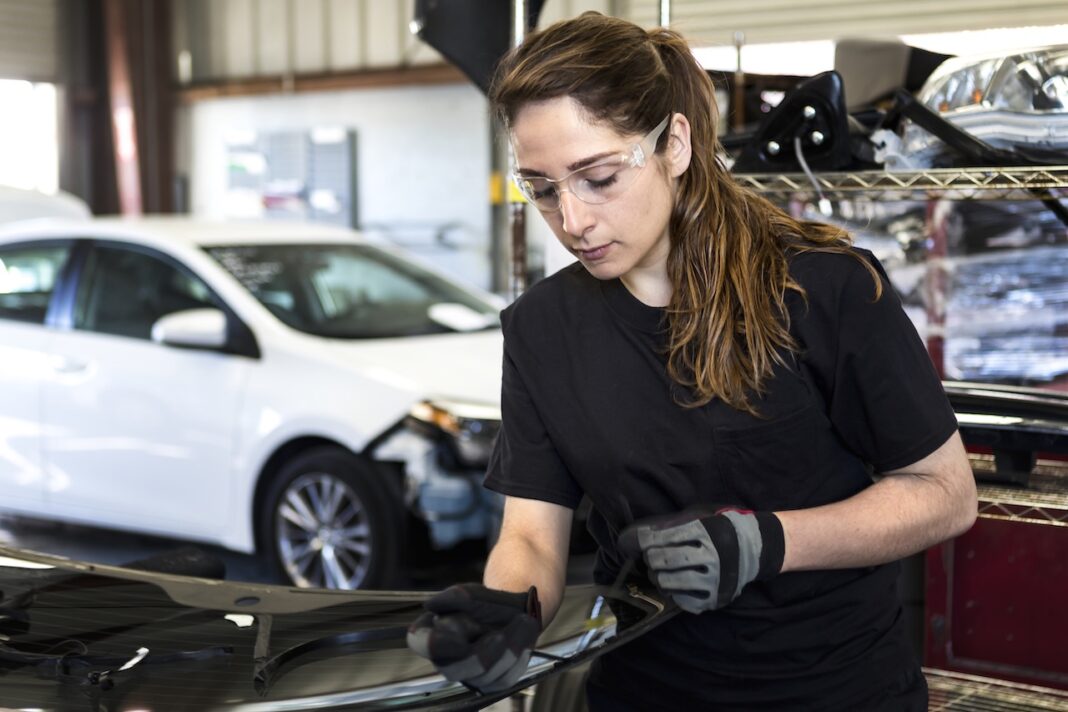


Navigating car repairs after an accident can be daunting, especially if you weren’t at fault. Managing repairs, insurance claims, and communicating with auto body shops may seem overwhelming, but understanding the process simplifies it significantly. Here is a step-by-step guide on how to handle car repairs when you are not at fault.
1. Confirm Fault and Gather Evidence
If you believe you were not at fault, the first step is to confirm the other party’s responsibility for the accident. This starts at the scene with:
- Documentation: Take clear pictures of the damaged vehicles, their positions, and the surrounding area.
- Witness Information: Collect statements and contact details of any witnesses who saw the accident.
- Police Report: If possible, request law enforcement to document the incident and file a formal report as it will be crucial in proving fault.
Having strong evidence and official documentation will ensure a smoother claims process with the at-fault driver’s insurance company.
2. Report the Incident
After collecting the necessary evidence, alert the appropriate insurance party:
- Contact the At-Fault Driver’s Insurance Company: Provide them with a detailed account of the accident and your supporting documentation. Be clear about your position and provide the police report as verification.
- Inform Your Insurance Provider: While you won’t be filing a claim through your insurance in this scenario, notifying them ensures you have additional support if disputes arise.
Clear and prompt communication sets the stage for resolving repairs efficiently.
3. Understand Your Rights
When you are not at fault in an accident, you have certain rights regarding repairs and reimbursements. For instance:
- Choice of Repair Shop: You have the right to choose which auto body shop handles your vehicle repairs. Don’t feel pressured to use a repair shop solely suggested by the at-fault party’s insurance.
- Rental Car Costs: In many cases, the at-fault insurance company is responsible for providing a rental car while your car is repaired.
- Compensation for Diminished Value: If applicable, inquire about reimbursement for reduced resale value resulting from the accident.
Knowing your rights enables you to advocate for yourself throughout the repair process.
4. Choose a Reputable Auto Body Shop
One of the most critical steps is picking the right repair shop to ensure quality work. Consider these tips when selecting an auto body shop:
- Reputation and Reviews: Look for shops with positive customer reviews and a solid reputation in the community.
- Certifications and Warranties: Ensure the shop is certified to handle your specific vehicle make and offers warranties on their work.
- Transparent Estimates: A trustworthy shop will provide a detailed breakdown of repair costs and keep you informed throughout the process.
Collaborating with a reliable auto body shop can save time and prevent additional stress.
5. Stay Informed During the Process
While repairs are underway, maintain communication with the insurance company and the repair shop. Regular updates help ensure accountability and prevent delays. If you encounter problems with the at-fault driver’s insurance company, remember your insurance provider might offer support to resolve disputes.
6. Review Repairs Before Accepting Your Car
Once the repairs are finished, inspect your car thoroughly before signing off. Confirm:
- Repairs match the initial estimate.
- Paint and bodywork blend seamlessly with the untouched areas.
- Your vehicle is safe and roadworthy post-repairs.
If something seems off, do not hesitate to raise concerns with the repair shop.
7. Seek Legal Assistance If Necessary
In rare cases, the at-fault driver’s insurer may delay or deny your claim. If this happens, consulting with an attorney specializing in car accidents can help. They’ll guide you through the next steps to receive the compensation and repairs you’re entitled to.
By understanding your rights and navigating the process skillfully, you can ensure your car repairs are completed without unnecessary hassle. Trustworthy auto body shops and informed decisions make all the difference in restoring your vehicle and your peace of mind.