
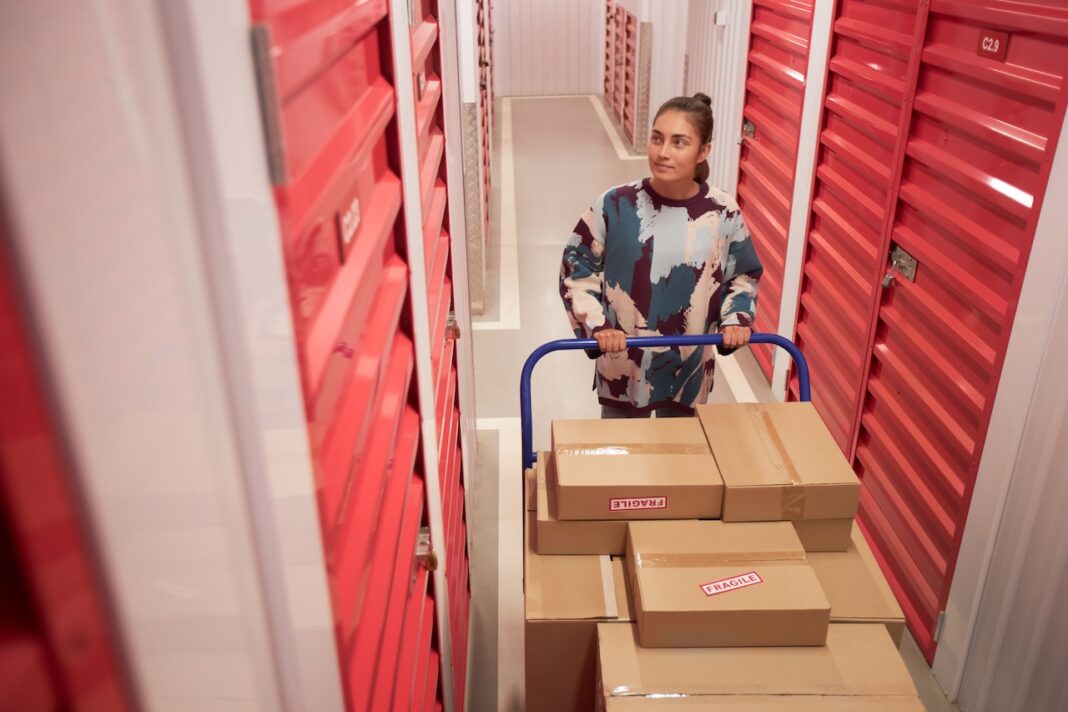


When renting a storage unit, one of the most important decisions you’ll face is choosing the right unit size. Picking a size too small can leave you frustrated and out of space, while selecting one too large can lead to unnecessary expenses. Fortunately, with a little planning and insight, finding the perfect storage solution can be straightforward. Here’s how to determine the best storage unit size for your needs.
1. Assess Your Storage Needs
Before you dive into storage unit options, take a step back to thoroughly evaluate what you’ll be storing. Start by making a list of all the items you plan to put into the unit. Categorize them into groups such as furniture, clothing, appliances, and miscellaneous household items.
By understanding the volume and dimensions of your possessions, you can better visualize the amount of space required. For example, storing large pieces like a couch or refrigerator will obviously require more space than boxes of books or seasonal clothes.
Also, consider whether you’ll need access to your items while they’re being stored. If you do, it’s often a good idea to leave some open space in the unit for maneuvering and organizing.
2. Familiarize Yourself With Common Storage Unit Sizes
Storage units come in a variety of sizes, typically ranging from small lockers to spacious storage spaces akin to the size of a two-car garage. Here’s a quick breakdown of standard sizes and their typical use cases:
- 5×5 Units: Ideal for small items like boxes, seasonal decorations, or personal belongings. Comparable to a small walk-in closet.
- 5×10 Units: Suitable for small furniture, bicycles, or pieces from a studio apartment.
- 10×10 Units: A great choice for the contents of a one-bedroom apartment, including furniture and appliances.
- 10×15 Units: These units tend to accommodate larger furniture, the contents of a two-bedroom apartment, or small business inventory.
- 10×20 or Larger: Spacious enough for the belongings of a multi-bedroom home or even vehicle storage.
Having a clear understanding of these options can give you a solid starting point as you narrow down what works best.
3. Think About Efficiency in Packing and Organization
Maximizing space is an art when it comes to rented storage units. By packing smart, you might be able to get by with a smaller unit than initially anticipated:
- Use uniform boxes that can be easily stacked to save vertical space.
- Disassemble large pieces of furniture to reduce their overall footprint.
- Store lighter items on top of heavier ones and label everything for quick identification later.
- Consider purchasing shelving units to make accessing stored goods more convenient and efficient.
A little extra planning when packing can help you avoid renting a larger-than-necessary unit.
4. Consult With Storage Facility Staff
Storage facility staff can be an invaluable resource when making your decision. Since they have experience with customers storing similar items, they can provide a professional perspective and recommendations tailored to your needs.
Some facilities even offer size guides, online tools, or virtual tours to help you determine the best storage unit. Take advantage of these resources to confirm your choice.
5. Leave Room for Flexibility
While it’s tempting to rent a unit that’s exactly the size you need for your current items, life can be unpredictable. Over time, you might find yourself needing to store additional belongings, whether due to a move, downsizing, or other circumstances.
To stay adaptable, consider renting a unit that’s slightly larger than you initially estimate. This extra space won’t just accommodate future belongings but will also ensure you can move around your storage unit without hassle.
Final Thoughts
Choosing the right storage unit size doesn’t have to be a daunting task. By assessing your belongings, familiarizing yourself with available sizes, and planning an efficient packing strategy, you can simplify the process and ensure that your chosen unit fits both your needs and your budget.