
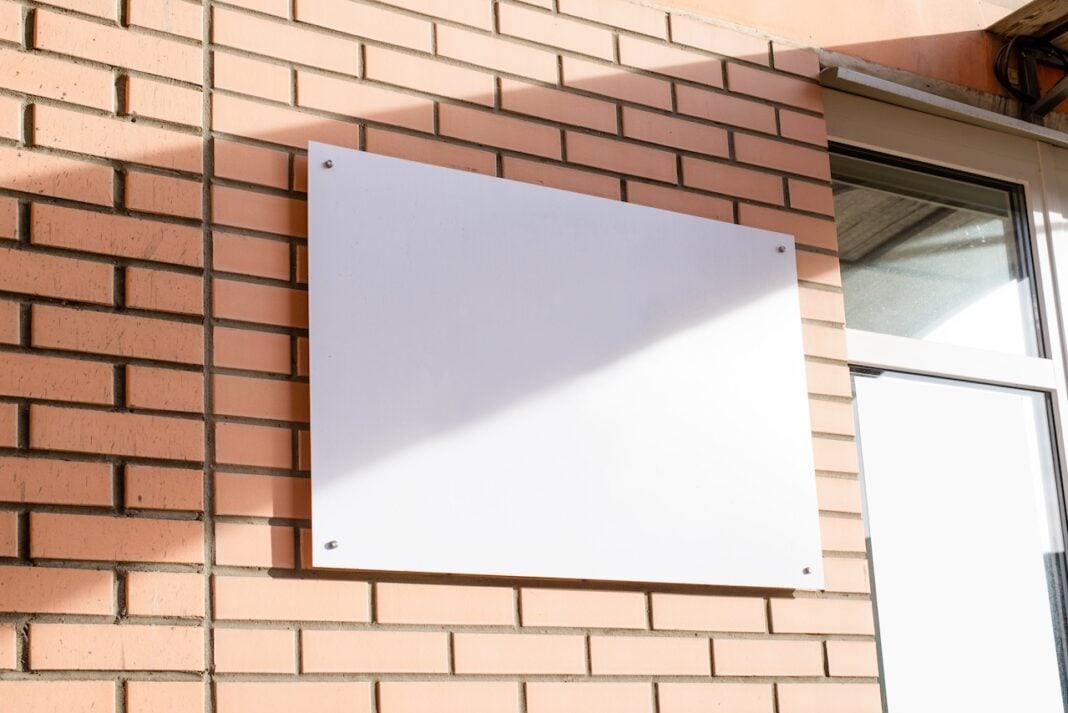


When it comes to wall signs, size and placement are crucial factors that can make or break their impact. Whether you’re designing a sign for your home, office, or business, the decisions you make in these areas will affect not only the aesthetic but also the overall functionality of your sign. In this article, we’ll help you navigate the process of selecting the right dimensions and determining the optimal placement for your wall sign—ensuring it serves its purpose while looking fantastic.
1. Why Size Matters: Balancing Proportions and Impact
The size of your wall sign plays a significant role in how effective it is. Choose a size that’s too small, and the sign risks being overlooked; go too big, and it could overwhelm the space. Achieving the right balance comes down to the following factors:
- Wall Space: Before selecting a size, measure the area where the sign will be placed. Your wall sign should complement the proportions of the space while leaving adequate negative space around it for visual balance.
- Viewing Distance: Consider the distance from which your sign will primarily be viewed.
- Purpose and Content: If your sign has detailed text or intricate visuals, ensure it’s large enough for everything to be legible and visually clear at a glance.
2. Consider Placement Strategically
Once you’ve determined the ideal size for your wall sign, it’s time to figure out where to place it for maximum visibility and impact. Proper placement ensures that your sign isn’t just decorative, but also functional.
Key Placement Tips to Keep in Mind:
- Eye Level Is Ideal: As a general rule, the center of your sign should align with the average person’s line of sight, which is about 57 to 60 inches from the floor in most cases. This ensures the sign is easy to notice without straining the viewer.
- Focal Points Are Key: Placement over a sofa, mantle, headboard, or console table can create a beautiful focal point in the room.
- Traffic Flow: If you’re installing signs in a business, think about how people move through the space. Signs placed near entrances, exits, or high-traffic areas are more likely to serve their purpose effectively, whether they’re directional, promotional, or informational.
3. Match the Placement to the Space’s Purpose
Different environments call for different considerations when placing a wall sign. Here’s how to tailor placement to the type of space:
- Home Spaces: In areas like a living room, bedroom, or kitchen, signs are often decor-focused. Choose placement that complements existing design elements or adds personality to a blank wall without overcrowding the space.
- Office Settings: An office wall sign often needs to be both functional and professional. Common placements include behind a reception desk, in meeting rooms, or above workstations.
- Retail or Commercial Spaces: For businesses, wall signs often serve to grab the attention of potential customers. Place them where they are immediately visible from the street, storefront, or storefront window.
4. Style and Aesthetic: Coordinating Your Wall Sign
Your sign isn’t just a functional element—it’s an extension of your design style. Whether you’re working with custom text, logos, or artistic imagery, your wall sign should seamlessly integrate into the overall aesthetic of the space.
- Colors: Consider colors that contrast well with the wall background to ensure the sign stands out. For a more subtle approach, complementary colors can make the design feel cohesive.
- Frames and Materials: The material and finish of the sign can add texture and sophistication. Wood provides a rustic charm, metal gives a sleek modern look, and acrylic exudes a polished, professional feel.
- Lighting: Don’t underestimate the power of lighting. Spotlights or backlighting can enhance your sign’s visibility and amplify its aesthetic appeal.
Final Thoughts
Choosing the right size and placement for your wall sign is about more than just picking something that looks good—it’s about functionality, visual harmony, and enhancing your space. Take the time to plan carefully, consider your unique needs, and test before installation to ensure your sign becomes a stunning feature of your environment. With these tips, you’re well on your way to making a statement with your wall sign!