
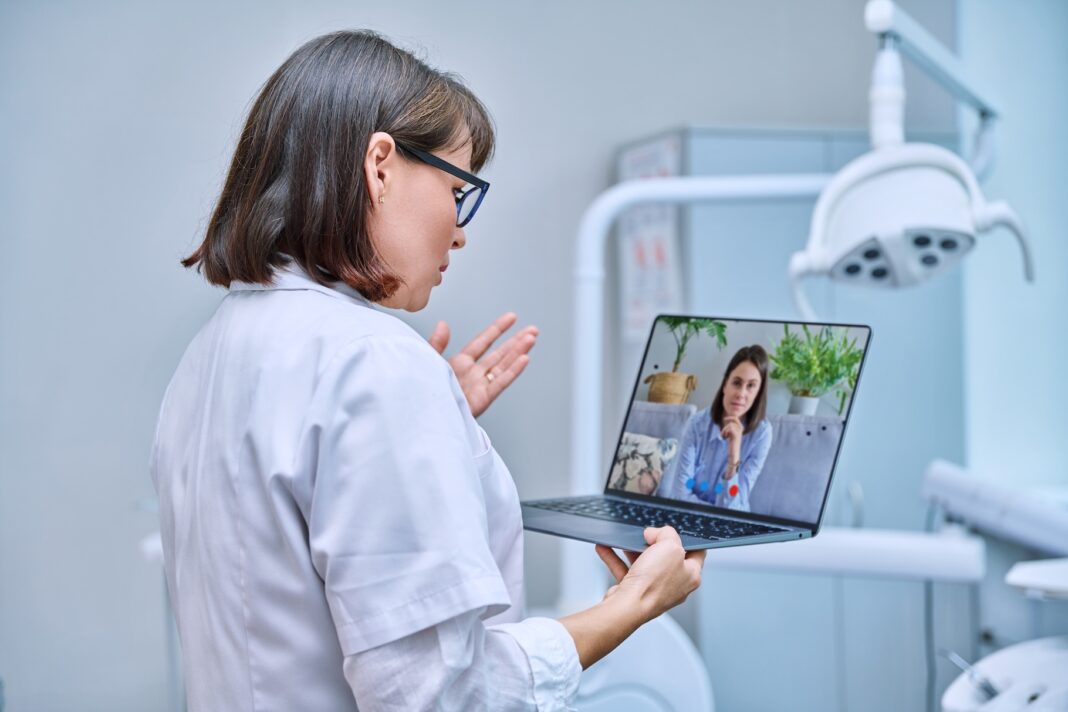


Telehealth solutions have revolutionized the way therapists and their clients connect, especially in recent years. While its convenience is undeniable, the shift to online therapy comes with its own set of challenges — security being the most prominent. With personal and sensitive information exchanged online, ensuring a secure telehealth environment is paramount for maintaining client trust and compliance with privacy regulations.
In this blog, we’ll explore strategies to make telehealth secure for your therapy office, with a particular focus on IT services. Whether you’re starting out or refining your current setup, these tips will guide you in building a safe virtual space for your clients.
Prioritize HIPAA-Compliant Technology
In the realm of therapy, client confidentiality is non-negotiable. To ensure privacy, therapists must select platforms and tools that are compliant with Health Insurance Portability and Accountability Act (HIPAA) regulations. This includes video conferencing software and data storage solutions designed to protect sensitive information.
When choosing a telehealth platform, look for features such as end-to-end encryption, secure user authentication, and data protection policies. Many providers also offer business associate agreements (BAAs) to further assure compliance.
Strengthen Network Security
Your network is the backbone of telehealth services. A vulnerable network exposes sensitive client information to potential breaches, making robust IT services essential. Here’s how to bolster your network security:
- Use a Secure Internet Connection: Avoid public or unsecured Wi-Fi networks. A dedicated, private internet connection for telehealth services minimizes risks.
- Implement Firewalls and Antivirus Software: Protect your devices from unauthorized access with firewalls, and regularly update antivirus programs to detect evolving threats.
- Enable a Virtual Private Network (VPN): A VPN encrypts your internet connection, ensuring online communications remain private.
Implement Strong Authentication Measures
Simple password protection no longer cuts it when safeguarding sensitive client data. Instead, opt for more advanced authentication protocols, such as multi-factor authentication (MFA). MFA adds an additional layer of security by requiring users to verify their identity with something they know (password), something they have (a device or code), or something inherent (biometric identification).
Train Your Team in Cybersecurity Best Practices
An essential yet often overlooked aspect of securing telehealth is training your team. Cybersecurity is only as strong as its weakest link. A single mistake, like clicking a phishing email, can compromise your system. To prevent this:
- Train your staff to recognize common cyber threats, such as phishing scams and suspicious attachments.
- Educate them on maintaining up-to-date software and systems. Regular updates often include security patches crucial for sealing vulnerabilities.
- Establish internal policies about sharing sensitive information and limiting access to data.
Back Up Critical Data
Even with the best defenses, no system is entirely immune to breaches or failures. Regularly backing up your data ensures you’ll be prepared for worst-case scenarios. Cloud-based storage solutions, when compliant with HIPAA and other relevant privacy laws, provide a secure option for maintaining data accessibility while offering back-up redundancy.
Partner with an IT Services Provider
While implementing security measures on your own is achievable, partnering with a reliable IT services provider can help you stay one step ahead of threats. These professionals can handle the heavy lifting, including:
- Setting up HIPAA-compliant infrastructure
- Monitoring network security in real-time
- Managing data storage and backup solutions
- Strategically planning for future technological advancements
Working with IT services allows you to focus on therapy while leaving the technical security aspects in capable hands.
Encourage Client Awareness
Securing your therapy office also involves empowering your clients with the knowledge they need to safeguard their virtual sessions. Offer clear guidance on steps they can take, such as:
- Choosing private locations for telehealth appointments.
- Avoiding public Wi-Fi during sessions.
- Using secure, password-protected devices.
- Logging out of accounts after each session.
Providing this education builds a partnership of trust and contributes to a safer telehealth experience.
Final Thoughts
Security is the cornerstone of successful telehealth services in therapy. From choosing HIPAA-compliant platforms to working with IT professionals, every step you take to enhance security helps protect your clients, data, and your practice’s reputation.