
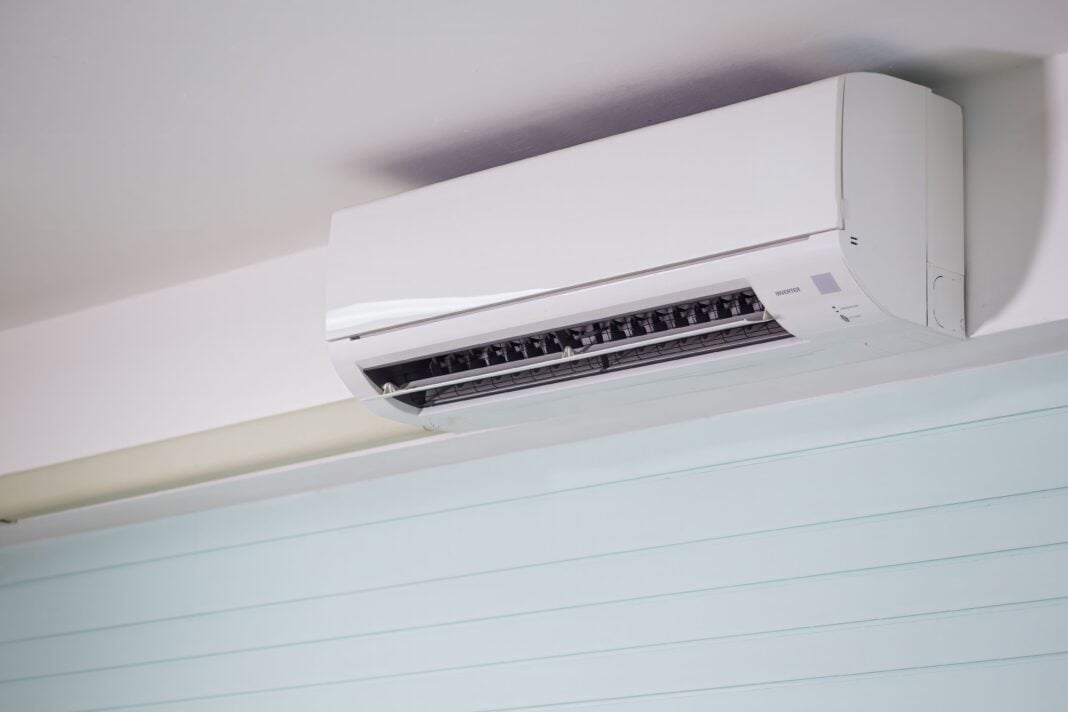


Most homeowners glance at their energy bill, wince at the total, and move on. That is a missed opportunity. Your utility statement is one of the most honest performance reports your home will ever produce, and no system influences it more than your HVAC system. Heating and cooling typically account for the largest share of household energy use, which means when something in that equipment starts to slip, the bill is usually the first place it shows up.
The trick is knowing how to read the signals. A bill that creeps upward is not just an inconvenience. It is data. Here is how to interpret it.
Start With the Right Comparison
The most common mistake is comparing this month’s bill to last month’s. Energy use swings naturally with the seasons, so a July bill will almost never resemble an April bill. The comparison that actually tells you something is year over year: this July against last July, this January against last January.
Most utility providers now include this comparison directly on the statement or in an online dashboard. If your usage for the same month is up noticeably from the previous year, and your rates and habits have not changed, your equipment is a prime suspect.
Weather matters too. An unusually brutal heat wave or cold snap can legitimately drive usage up. But if the weather was comparable and the bill still jumped, the difference is coming from somewhere inside your home.
A Gradual Climb Usually Means Lost Efficiency
Heating and cooling systems rarely fail overnight. More often, they decline slowly, working a little harder each season to deliver the same comfort. That extra effort shows up as a gradual, year-over-year increase in energy use.
Several culprits tend to be behind this pattern:
- Clogged filters. A filter choked with dust forces the blower to strain against restricted airflow. It is the cheapest fix in the entire home comfort category, and one of the most neglected.
- Dirty coils. When the coils that transfer heat get coated in grime, the system has to run longer to move the same amount of heat. Efficiency drops quietly and steadily.
- Low refrigerant. A slow refrigerant leak makes an air conditioner or heat pump run extended cycles to reach the thermostat setting. You may not notice a comfort difference at first, but the meter does.
- Aging components. Motors, capacitors, and belts lose efficiency as they wear. Each degraded part adds a small tax to every hour of operation.
None of these problems announce themselves loudly. The energy bill is often the only early warning you get.
A Sudden Spike Means Something Changed
A gradual climb suggests wear. A sharp, unexplained jump suggests a fault. If your bill leaps significantly in a single cycle without a rate increase, a weather extreme, or a lifestyle change like a new family member or a home office, something specific likely broke or shifted.
Common causes of sudden spikes include a failed component that forces backup systems to take over, a stuck reversing valve on a heat pump, auxiliary or emergency heat running constantly without the homeowner realizing it, or a duct connection that has come loose and is dumping conditioned air into an attic or crawlspace.
That last one deserves special attention. Leaky ductwork can waste a meaningful portion of the air your system produces, and because ducts are hidden in walls, ceilings, and crawlspaces, the loss is invisible in daily life. The bill is frequently the only symptom.
Short Cycling Shows Up on Paper Too
If your system turns on and off in rapid bursts rather than running steady, complete cycles, you are watching money evaporate. Startup is the most energy-intensive moment for heating and cooling equipment, so a system that starts dozens of extra times per day burns more energy while delivering worse comfort.
Short cycling can stem from an oversized system, a failing thermostat, restricted airflow, or refrigerant problems. On the bill, it appears as elevated usage paired with a home that never quite feels evenly comfortable. If rooms feel clammy in summer or the temperature swings noticeably between cycles, the pattern on your statement and the pattern in your living room are telling the same story.
When the Bill Says Repair, and When It Says Replace
An energy bill can also inform one of the bigger financial decisions a homeowner faces: whether to keep fixing an aging system or invest in a new one.
A useful way to think about it is trajectory. If a tune-up or a specific repair brings usage back in line with prior years, the system still has efficient life left. But if bills keep climbing even after maintenance, the equipment itself is losing capacity, and every season you wait costs you twice: once in repairs and again in wasted energy.
Age is part of the equation. Systems past the typical 15 to 20 year range generally operate far below the efficiency of modern equipment, so the energy savings from replacement can meaningfully offset the purchase over time. Your bill history, laid out year by year, is the clearest evidence of which side of that line your system is on.
Turning the Bill Into a Habit
The homeowners who avoid expensive surprises tend to do one simple thing: they track. Spend five minutes each month noting your usage, not just the dollar amount, since rates fluctuate. Kilowatt hours and therms tell the truer story. Most utility websites will chart this for you automatically.
Pair that habit with seasonal professional maintenance and prompt attention to any unexplained changes, and your energy bill shifts from a monthly annoyance into an early detection system. Your HVAC equipment communicates constantly. It just happens to send its messages through the utility company. The homeowners who learn to listen are the ones who catch small problems while they are still small, keep their homes comfortable, and keep more of their money where it belongs.