
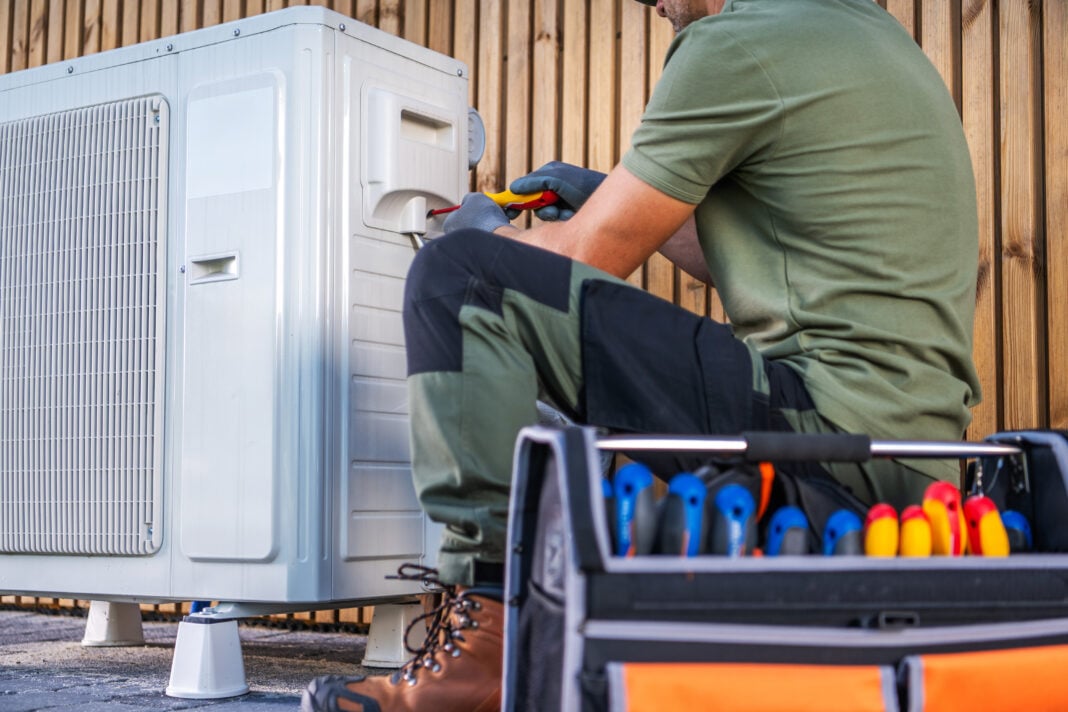


Your home’s heating and cooling system is one of the biggest investments you’ll make as a homeowner. Yet many people spend more time researching a new phone than they do vetting the contractor who’ll install or repair their residential HVAC system. That’s a mistake that can cost you comfort, money, and peace of mind for years to come.
Choosing the right HVAC contractor doesn’t have to feel overwhelming. With a clear plan and the right questions, you can find a professional who delivers quality work at a fair price.
Start With Proper Licensing and Insurance
Before anything else, confirm that a contractor holds the appropriate license to perform HVAC work in your area. Licensing requirements vary by state and municipality, but a valid license signals that the contractor has met minimum training and competency standards.
Insurance matters just as much. Ask for proof of liability insurance and workers’ compensation coverage. If a technician gets injured on your property or accidentally damages your home during installation, proper insurance protects you from being held financially responsible. Never take a contractor’s word for it—request documentation and verify it independently if possible.
Look for Experience With Residential Systems
Commercial and residential HVAC systems differ significantly in size, complexity, and design. A contractor who primarily services large office buildings may not have the specialized knowledge needed for your home’s unique setup.
Ask potential contractors how long they’ve worked specifically with residential systems and whether they have experience with your particular type of equipment, whether that’s a central air system, ductless mini-split, heat pump, or furnace. A seasoned residential contractor will recognize common issues quickly and recommend solutions tailored to homes rather than generic fixes.
Check Reviews and Ask for References
Online reviews offer valuable insight into how a contractor treats customers and handles problems. Look beyond the star rating and read the actual comments. Pay attention to how the company responds to negative feedback, as this often reveals a lot about their professionalism and customer service philosophy.
Don’t stop at online research. Ask the contractor directly for references from recent residential jobs similar to yours. A reputable contractor should have no problem connecting you with satisfied customers willing to share their experience.
Get Multiple Written Estimates
Never settle for the first quote you receive. Reach out to at least three contractors and request detailed, written estimates for the same scope of work. This allows you to compare pricing, materials, and timelines accurately.
Be wary of estimates that seem unusually low. This can sometimes indicate corners being cut, lower-quality equipment, or hidden fees that surface later. A thorough estimate should break down labor costs, equipment specifications, and any warranties included, giving you a clear picture of exactly what you’re paying for.
Ask About Warranties and Guarantees
A trustworthy HVAC contractor stands behind their work. Ask about both the manufacturer’s warranty on equipment and the contractor’s own labor warranty. Understanding what’s covered, and for how long, helps you avoid unexpected expenses if something goes wrong shortly after installation or repair.
Reliable contractors will also explain warranty terms clearly and provide documentation in writing rather than making verbal promises alone.
Evaluate Communication and Professionalism
Pay attention to how a contractor communicates from your very first interaction. Do they respond promptly to calls or emails? Are they willing to answer your questions thoroughly and explain technical details in a way you understand?
Professionalism extends to punctuality, respect for your home, and transparency about pricing and timelines. A contractor who communicates well before the job even begins is more likely to provide a smooth, stress-free experience throughout the project.
Trust Your Instincts
After gathering information, comparing estimates, and speaking with multiple contractors, trust your gut feeling. If something feels off, whether it’s evasive answers or pressure to sign immediately, it’s okay to walk away and consider other options.
Making Your Final Decision
Choosing the right residential HVAC contractor takes a bit of legwork, but the effort pays off in reliable service, quality workmanship, and long-term system performance. Take your time, ask thorough questions, and don’t rush the decision. Your home comfort depends on it.