
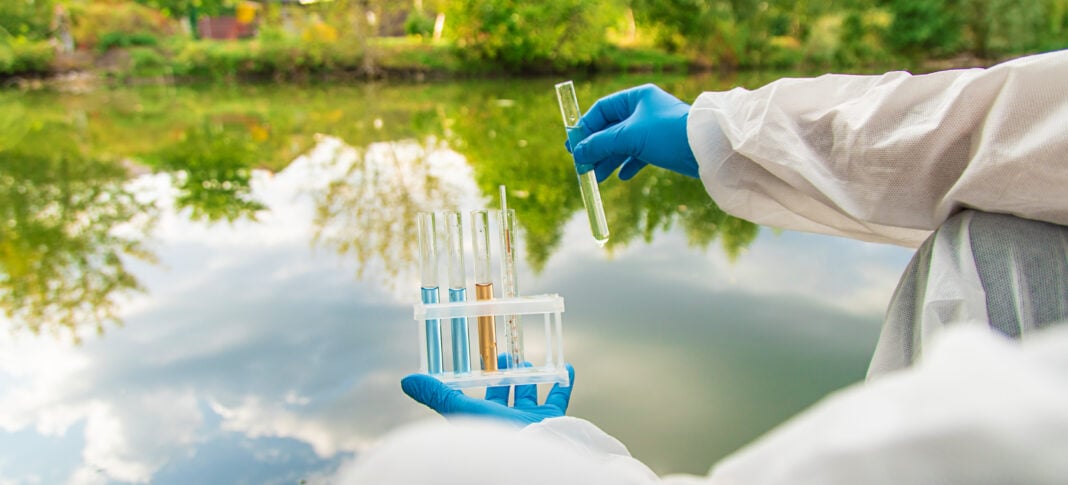


Clean water is something most people never think about until it’s gone. Turn on the tap, fill a glass, drink—simple. But behind that simplicity is a complex system of monitoring, testing, and regulation designed to keep contaminants out of the water supply. When that system fails or falls short, the consequences can ripple through entire communities for years.
Water quality monitoring isn’t just a technical process handled by utility workers and environmental scientists. It’s a public health safeguard that affects everyone, from newborns drinking formula mixed with tap water to elderly residents managing chronic illnesses. Understanding why this monitoring matters—and what happens when it breaks down—reveals just how much is at stake.
The Hidden Dangers in Water Supplies
Water can look, smell, and taste perfectly normal while still harboring dangerous contaminants. Bacteria, heavy metals, industrial chemicals, and agricultural runoff can all find their way into water systems without any obvious warning signs. This is precisely why routine monitoring exists: to catch problems that human senses simply cannot detect.
Lead contamination, for example, often occurs through aging pipes and infrastructure rather than the water source itself. Without regular testing, lead can leach into drinking water for months or years before anyone notices a problem. By the time symptoms appear in affected residents, especially children, the exposure may have already caused lasting harm.
Who Bears the Burden When Monitoring Fails
When water quality monitoring lapses or gets ignored, vulnerable populations suffer disproportionately. Children are especially susceptible to the neurological effects of lead exposure. Pregnant women face heightened risks from certain chemical contaminants. Elderly individuals and those with compromised immune systems are more likely to experience severe complications from bacterial or viral contamination.
Low-income communities often face the greatest exposure to water quality failures. Aging infrastructure is more common in underserved areas, and the resources to quickly identify and address problems are frequently limited. This creates a troubling pattern where the communities least equipped to advocate for themselves are the ones most likely to experience water contamination crises.
When these failures occur, families are often left scrambling for answers. Medical bills pile up, children face developmental concerns, and trust in local government erodes. This is often when residents turn to a public health attorney, seeking accountability and compensation for damages that could have been prevented through proper oversight.
The Legal and Regulatory Framework
Water quality monitoring doesn’t happen in a vacuum. It’s governed by a framework of regulations designed to set acceptable contaminant levels and establish testing protocols. Utilities and municipalities are generally required to test water regularly and report findings to the public.
However, regulatory frameworks are only as effective as their enforcement. Gaps in oversight, delayed reporting, or inadequate testing frequency can all undermine the system’s intended protections. When these gaps lead to harm, affected residents may have grounds to pursue legal action against responsible parties, whether that’s a municipal water authority, a private utility company, or an industrial polluter upstream.
This is where the role of a knowledgeable attorney becomes significant. Cases involving water contamination often require untangling complicated scientific data, regulatory history, and corporate or governmental responsibility. A lawyer with experience in environmental litigation can help affected families understand their rights and pursue appropriate remedies, whether through settlement negotiations or litigation.
Moving Forward with Vigilance
Water quality monitoring is not a one-time task but an ongoing commitment. Infrastructure ages, new contaminants emerge, and environmental conditions shift. Staying ahead of these changes requires sustained investment, rigorous testing schedules, and a willingness to act quickly when problems are detected.
For communities affected by contamination, understanding available resources, including the option to consult a lawyer, can make a meaningful difference in seeking accountability and driving change. Public health depends on this vigilance, and every stakeholder, from regulators to residents, has a role in ensuring water quality monitoring remains a priority rather than an afterthought.