
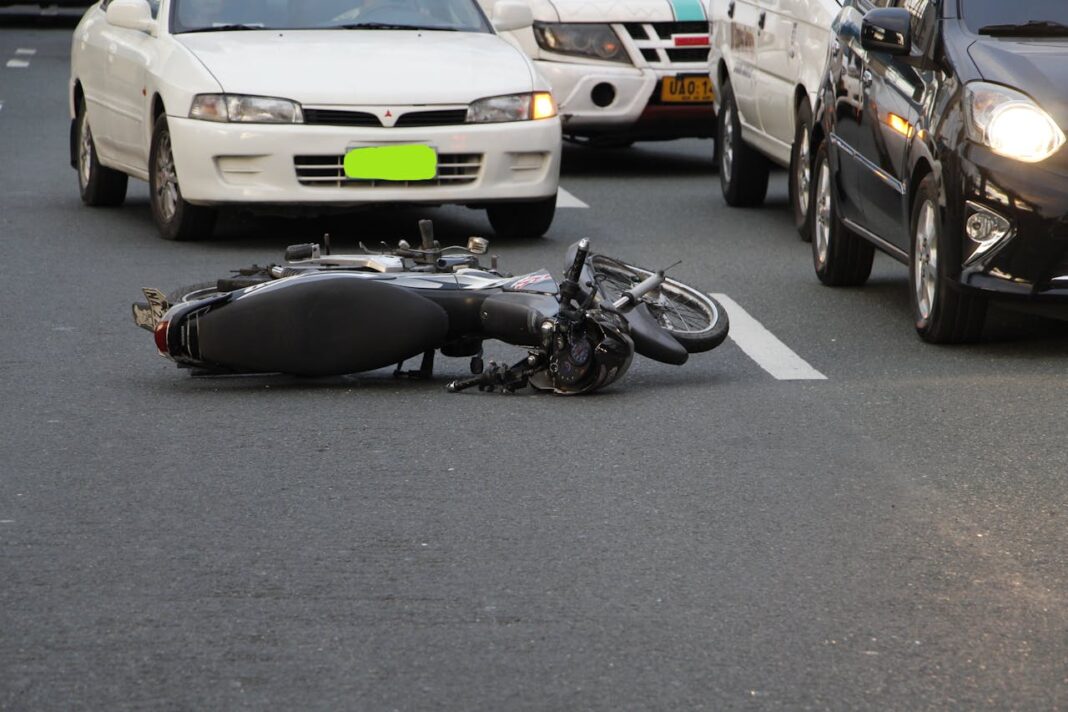


A serious motorcycle crash can change your life in seconds. In Baltimore, riders face unique risks due to dense traffic, complex intersections, and drivers who may not always anticipate motorcycles on the road. Understanding your legal options after a crash helps you protect your rights, manage the financial impact of injuries, and make informed decisions during a difficult recovery period.
Understanding the Risks Motorcyclists Face on Baltimore Roads
Motorcyclists are more exposed than occupants of passenger vehicles, which often leads to more severe injuries when accidents occur. Recognizing these risks provides context for why motorcycle injury claims are often complex.
Visibility and Driver Awareness Issues
Many motorcycle crashes happen because other drivers fail to see riders or misjudge their speed. Intersections, lane changes, and left turns are especially dangerous scenarios. Even cautious riders can be placed in harm’s way by inattentive or distracted drivers.
The Severity of Motorcycle Injuries
Without the protection of a vehicle frame, motorcyclists are vulnerable to traumatic injuries. Common outcomes include fractures, spinal cord injuries, traumatic brain injuries, and road rash. These injuries often require extensive medical treatment and can result in long-term or permanent limitations.
Immediate Steps to Take After a Motorcycle Crash
The actions taken shortly after a crash can significantly affect both recovery and legal options. Acting thoughtfully helps preserve evidence and protect future claims.
Seeking Medical Attention Right Away
Medical care should always be the first priority. Some injuries may not be immediately apparent due to adrenaline or shock. Prompt evaluation not only protects health but also creates medical records linking injuries directly to the crash.
Reporting the Crash and Documenting the Scene
Calling law enforcement ensures that an official report is created. If it is safe to do so, photographs of the scene, vehicle damage, road conditions, and visible injuries can help preserve important details. Witness contact information may also become valuable later.
Understanding Fault and Liability in Maryland Motorcycle Accidents
Maryland’s legal standards make fault determination especially important in motorcycle injury cases.
Contributory Negligence and Its Impact
Maryland follows a contributory negligence rule, which can bar recovery if an injured person is found even slightly at fault. Because of this strict standard, insurance companies often closely scrutinize motorcycle accidents. Clear evidence and careful communication are essential.
Identifying Responsible Parties
Liability may rest with another driver, a vehicle owner, or even a government entity responsible for road maintenance. In some cases, defective motorcycle parts or safety equipment may also contribute to a crash. Identifying all responsible parties is a key step in evaluating legal options.
Legal Options Available After a Serious Motorcycle Crash
Motorcycle crash victims may have several legal avenues available depending on the circumstances of the accident and the injuries involved.
Personal Injury Claims for Motorcycle Accidents
A personal injury claim seeks compensation for losses caused by another party’s negligence. These claims may address medical expenses, lost income, reduced earning capacity, and non economic damages such as pain and suffering. Motorcycle injury claims often require detailed evidence to overcome bias and fault disputes.
Wrongful Death Claims in Fatal Motorcycle Crashes
When a motorcycle crash results in loss of life, surviving family members may have the right to pursue wrongful death claims. These actions focus on accountability and financial support for families coping with sudden and devastating loss.
The Role of Evidence in Motorcycle Injury Cases
Evidence plays a central role in determining outcomes after a motorcycle crash, particularly in a contributory negligence jurisdiction.
Accident Reports and Physical Evidence
Police reports, photographs, and physical evidence from the scene help establish how the crash occurred. Skid marks, debris patterns, and vehicle damage can provide insight into speed, direction, and point of impact.
Medical Records and Expert Analysis
Medical documentation connects injuries to the accident and demonstrates severity. In complex cases, expert testimony may be used to explain injury mechanisms, long-term prognosis, or accident reconstruction.
How Insurance Companies Approach Motorcycle Claims
Insurance companies often evaluate motorcycle claims differently from car accident claims. Understanding their approach helps injured riders avoid common pitfalls.
Common Challenges Motorcyclists Face
Insurers may argue that riders assumed greater risk or contributed to the crash. They may also question injury severity or necessity of treatment. These tactics can delay resolution or reduce compensation offers.
Communicating Carefully With Adjusters
Statements made to insurance adjusters can later be used to challenge a claim. Even well-intentioned comments may be misinterpreted. Careful communication helps protect the integrity of a claim.
When Legal Guidance Becomes Especially Important
Serious motorcycle crashes often involve high medical costs, long recovery periods, and disputes over fault. In these situations, informed legal guidance can be particularly valuable.
Complex Injuries and Long-Term Impact
Severe injuries may require ongoing treatment, rehabilitation, or lifestyle changes. Evaluating future medical needs and financial impact is critical to pursuing fair compensation.
Support Tailored to Baltimore Motorcycle Cases
People seeking motorcycle crash injury attorneys in Baltimore often look for guidance that reflects familiarity with local roads, courts, and insurance practices. Local knowledge can influence strategy and expectations in motorcycle injury cases.
Learning From Safety and Legal Resources
Educational resources can help riders understand both safety concerns and legal processes related to motorcycle crashes.
Motorcycle Safety Awareness
National safety organizations provide valuable information about motorcycle risks and prevention. For example, this motorcycle safety resource outlines common causes of crashes and strategies to reduce risk, offering helpful context when evaluating how an accident occurred.
Understanding How Legal Help Can Make a Difference
Discussions about how legal support assists injured riders often highlight investigation, negotiation, and long-term planning. Articles such as this overview of how motorcycle injury lawyers help crash victims recover explain the broader role legal guidance can play during recovery.
Evaluating Professional Background and Experience
Many motorcycle crash victims research professional backgrounds before choosing representation. Public resources can provide helpful context during this process.
Reviewing Attorney Profiles
Attorney profiles often summarize education, practice focus, and experience. For example, this professional profile for Brian Keith Bishop offers background information that some individuals review while exploring their options.
Asking Informed Questions During Consultations
Research allows injured riders to ask more focused questions about experience with motorcycle cases, approach to contributory negligence issues, and expectations regarding timelines and outcomes.
Long-Term Consequences of Serious Motorcycle Injuries
The impact of a motorcycle crash often extends far beyond initial treatment and vehicle repairs.
Ongoing Medical and Rehabilitation Needs
Serious injuries may require surgeries, physical therapy, or assistive devices. Planning for these needs is essential when evaluating legal options and potential compensation.
Effects on Employment and Daily Life
Injuries can limit a rider’s ability to work or return to previous activities. Loss of income, career changes, and emotional challenges often accompany physical recovery.
Taking Steps Toward Recovery and Accountability
While legal action cannot undo a motorcycle crash, it can play an important role in recovery and accountability.
Preserving Evidence and Acting Promptly
Preserving evidence early helps protect legal rights. Acting promptly also ensures compliance with legal deadlines that may apply to injury claims.
Balancing Legal Action With Healing
Focusing on medical recovery while understanding legal options can be challenging. Clear information and organization help injured riders navigate both aspects more effectively.
Conclusion
A serious motorcycle crash in Baltimore can bring overwhelming physical, emotional, and financial challenges. Understanding your legal options after such an accident helps restore a sense of control during an uncertain time. From recognizing the risks riders face and the importance of evidence to navigating Maryland’s strict fault rules, each step plays a role in protecting your rights. Motorcycle injury claims often involve complex injuries and disputed liability, making informed decision making especially important. By seeking medical care promptly, documenting the crash carefully, and learning about available legal avenues, injured riders can better position themselves to pursue accountability and fair compensation. With the right information and thoughtful action, it becomes possible to focus on healing while safeguarding long-term stability after a serious motorcycle crash.