
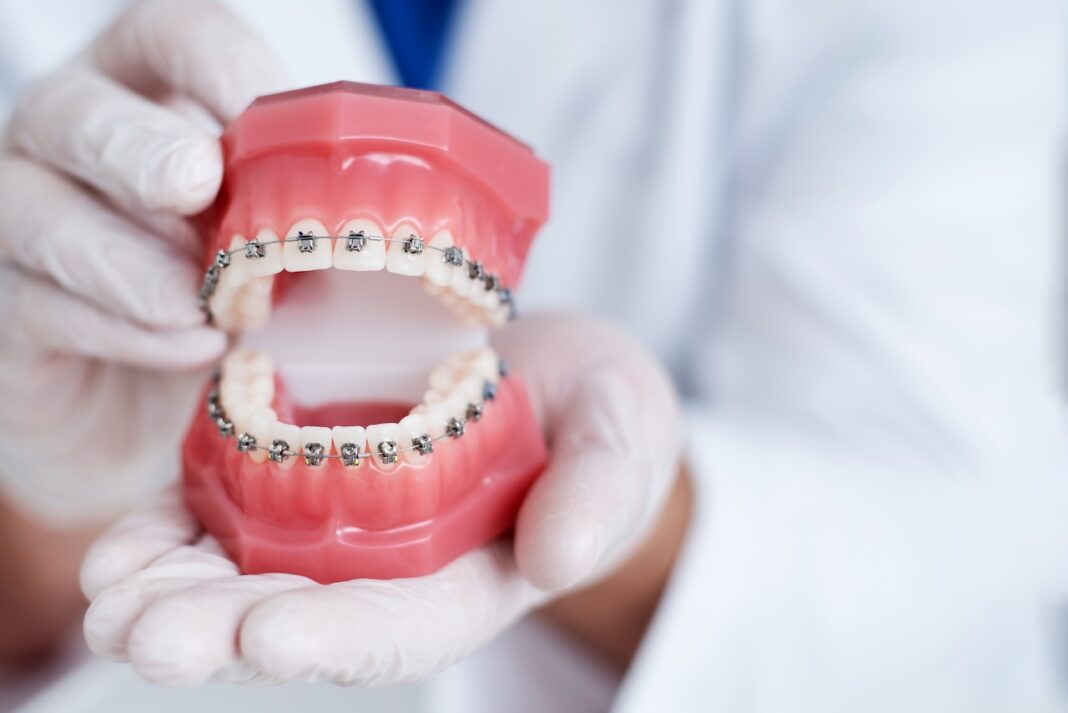


Orthodontics is a specialty within dentistry that has always centered on precision, gradual transformation, and patient care. With the accelerating pace of technological advancements, orthodontics is undergoing a fascinating evolution that promises to transform patient outcomes and streamline practitioner workflows. From cutting-edge imaging techniques to sustainable materials, the future of orthodontics is undeniably exciting. This blog explores the key technologies and trends shaping the field.
1. Digital Impressions and 3D Printing: Streamlining Processes
Gone are the days of messy molds and uncomfortable impressions. Digital scanning technologies have revolutionized the way orthodontists capture detailed images of patients’ teeth and gums. These scans are not only more accurate but also more comfortable for patients.
Once the digital impression is captured, 3D printing technology takes over, producing custom aligners, retainers, or other orthodontic appliances faster than ever before. The ability to craft devices in-house reduces wait times for patients and limits dependency on third-party labs, ensuring quicker treatment initiation while maintaining precision.
2. AI and Machine Learning: Precision Planning
Artificial intelligence (AI) and machine learning are driving a paradigm shift in orthodontics. These technologies help practitioners create highly personalized treatment plans. AI-powered software can analyze patient scans, predict outcomes, and simulate the gradual movement of teeth over time.
This predictive power means that orthodontists can design treatment options that are optimized for effectiveness. For patients, the visualization of how their smile will evolve provides a sense of reassurance and a clear expectation for their treatment journey.
3. Clear Aligners: The Rise of Invisible Orthodontics
Orthodontic treatments no longer need to come with the social stigma of bulky braces. Clear aligners, such as Invisalign, have become a go-to option for patients looking for discreteness and comfort. These devices are minimalistic, nearly invisible, and tailored to each patient, making orthodontics a more accessible option for adults and teens alike.
As material science improves, these aligners are becoming even more durable and efficient. And with integration into digital workflows—like 3D scanning and printing—the adoption of clear aligners is bound to grow further in the coming years.
4. Teledentistry: Remote Patient Monitoring
The concept of teledentistry has seen rapid growth, especially during recent global health crises. Orthodontics, traditionally viewed as a hands-on field, is innovating in telehealth too. Remote monitoring systems equipped with mobile apps and AI can now track patient progress.
Patients can upload images and feedback through a dedicated platform, while orthodontists review this information, providing adjustments or tweaks to the treatment plan without requiring an in-person visit. This trend continues to reduce friction for patients who value digital convenience.
5. Sustainable Practices and Eco-Friendly Materials
Today’s patients are increasingly mindful of sustainability and environmental impact. Orthodontics, like many industries, is beginning to shift towards eco-conscious practices. From biodegradable aligner materials to greener packaging options, the industry is prioritizing sustainability.
Orthodontic practices are also moving toward digital, paperless systems for record-keeping and communication, cutting down on unnecessary waste. These shifts not only align with patient expectations but also help contribute to a more sustainable future for healthcare.
6. Patient-Centric Care: The Integration of AR and VR
Augmented reality (AR) and virtual reality (VR) are enabling orthodontists to heighten patient care in ways previously unimaginable. AR can be employed to demonstrate treatment options in real-time, allowing patients to visualize results even before commencing their journey. Meanwhile, VR has been used to enhance patient comfort and relaxation during procedures, reducing anxiety and improving overall experiences at dental offices.
The adoption of these immersive technologies makes the orthodontic process interactive, transparent, and appealing, particularly for younger patients or those apprehensive about dental visits.
7. The Role of Robotics in Orthodontic Tools
One of the most cutting-edge innovations in orthodontics is the incorporation of robotics into treatment. Robotic technology allows for precision movements in creating customized wires and brackets. These advancements minimize errors and maximize treatment accuracy.
In the future, robotics could expand further into automated orthodontic adjustments, potentially making processes faster and more efficient without reducing human oversight.
Looking Ahead
The future of orthodontics lies at the intersection of technology, sustainability, and patient experience. As treatments become more efficient and accessible, practitioners will continue to embrace innovations while maintaining the human touch that defines excellent patient care.