
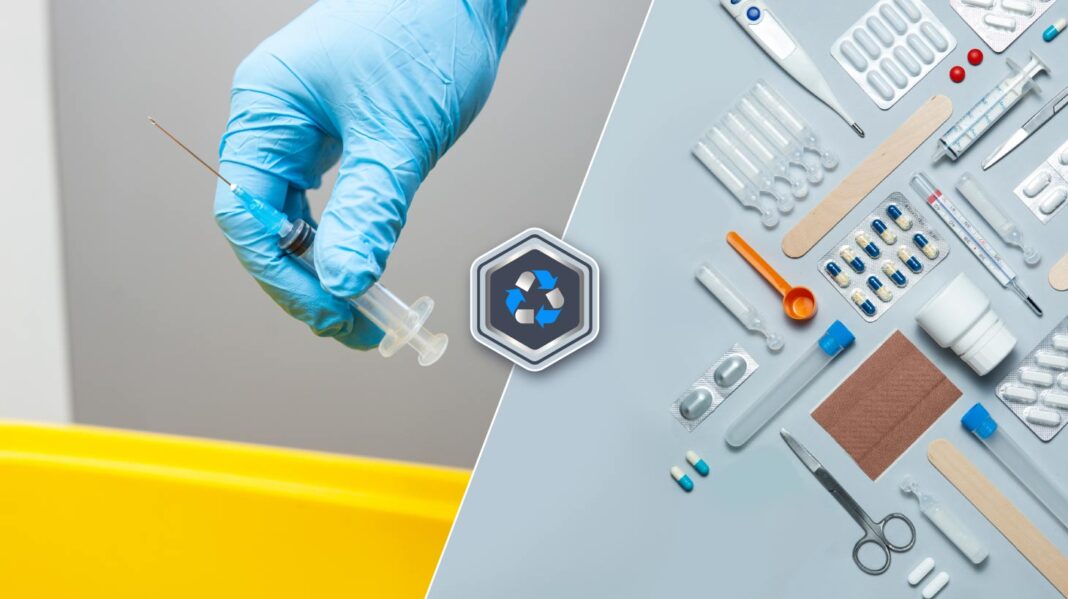


The healthcare industry produces significant amounts of waste that must be carefully processed. Here’s a rundown of what happens to all of that trash once it has been generated.
Each day, the healthcare industry produces 6,600 metric tons of waste. This waste tends to fall into one of the following categories: regular trash, common medical waste, trace chemotherapy waste, pathological waste and pharmaceutical waste. Roughly 15% of all medical waste is hazardous, whether it be infectious, toxic or radioactive.
Certain categories of waste require specific disposal procedures. More specifically, regulated medical waste includes sharps, biohazards and infectious waste, pathological waste, cultures and laboratory waste, isolation waste and contaminated animal waste.
In order to safely dispose of waste, healthcare facilities need to have the appropriate tools. Investing in the proper disposal bins and bags, tracking waste with up-to-date documentation and using safety equipment such as puncture-resistant sharps containers is important.
Once waste is ready to be disposed of, it either goes to a landfill or a waste-to-energy facility (WTE). Waste sent to a WTE facility is processed either via steam autoclave, which uses moisture, heat and pressure, or via incineration.
Maintaining careful procedures when it comes to disposing of medical waste is critical. With such a large quantity of waste, the healthcare industry must continue to prioritize efficiency and safety. Learn more about medical waste disposal services in the infographic below:

Source: Amergy Disposal