
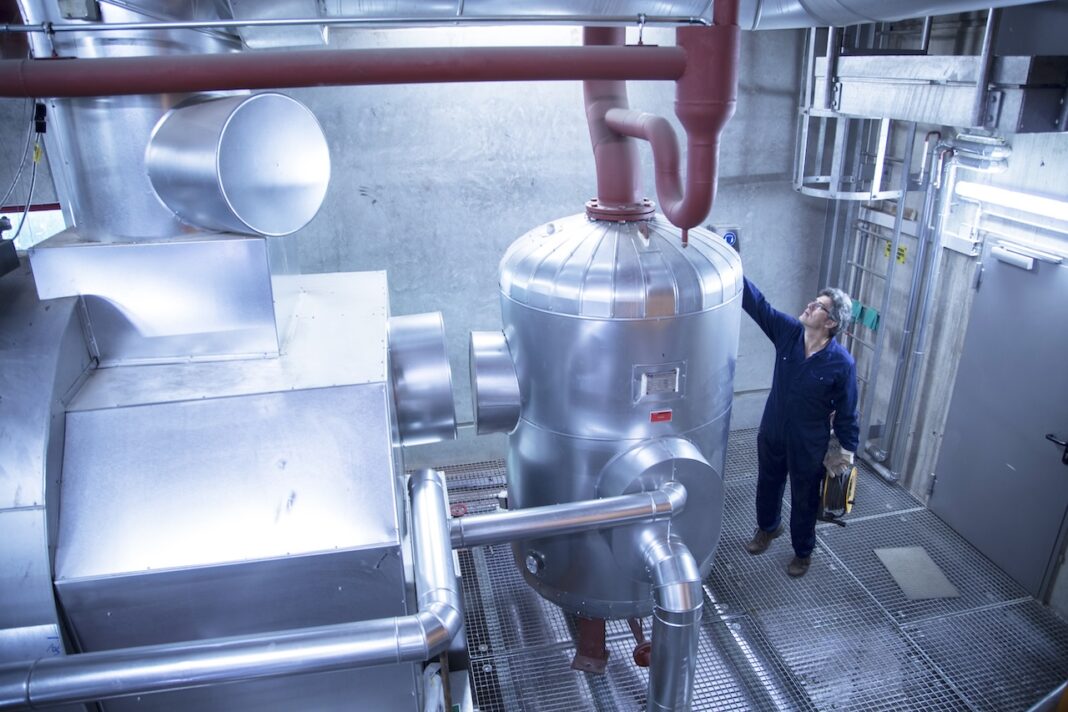


Chillers are critical components in industries and commercial applications where temperature-controlled environments are essential. Found in settings ranging from office buildings to manufacturing facilities, they enable productivity and ensure comfort by maintaining optimal temperatures. Preventive maintenance is the key to addressing these challenges and ensuring your chiller operates effectively throughout its intended lifespan.
In this article, we will explore the role of preventive maintenance in extending the lifespan of chillers, diving into its benefits, critical steps, and valuable tips for optimal implementation.
The Importance of Preventive Maintenance for Chillers
Preventive maintenance involves proactive care and servicing of equipment to minimize the likelihood of unexpected breakdowns. For chillers, this approach is not just a best practice; it’s a necessity. Unlike reactive maintenance (where issues are addressed after failure), preventive maintenance emphasizes regular inspections and timely interventions to keep systems operating efficiently.
Here are the primary reasons why preventive maintenance is vital for chillers:
- Improved Efficiency
Dust, debris, and scale buildup can significantly reduce the efficiency of a chiller. Regular cleaning and calibration ensure that the system operates at peak performance, leading to lower energy consumption and reduced operational costs. - Reduced Risk of Downtime
Chiller failure can disrupt operations, leading to lost productivity and revenue—especially in industrial or commercial applications. Preventive maintenance identifies and resolves minor issues before they escalate into serious problems that could cause system downtime. - Extended Equipment Lifespan
Regular care significantly extends the lifespan of chillers. Properly maintained systems experience less strain, fewer breakdowns, and reduced wear on critical components, enabling them to function effectively for years beyond their expected life.
Key Components of Chiller Preventive Maintenance
To ensure that chillers perform at their best, a preventive maintenance program must cover multiple aspects of the system. Here are the key components that should be part of any effective maintenance routine:
1. Routine Inspection
A thorough inspection allows maintenance technicians to identify abnormalities such as leaks, unusual noises, or changes in performance. Routine inspections often include assessing piping, connections, and electrical components for wear or deterioration.
2. Cleaning the Heat Exchangers
Heat exchangers are critical in maximizing a chiller’s thermal efficiency. Over time, contaminants such as algae, biological growth, and scaling can deposit on heat exchanger surfaces, impacting performance. Regular cleaning prevents such buildup and maintains heat transfer capabilities.
3. Cooling Tower Maintenance
For water-cooled chillers, cooling towers are integral to heat rejection. Preventive practices like cleaning cooling tower basins, checking water levels, and treating water flows improve efficiency and prevent corrosion or scale buildup.
4. Refrigerant Management
Refrigerants are directly responsible for the chiller’s cooling capabilities. Insufficient or excess refrigerant can lead to inefficiencies or damage. Regularly inspecting refrigerant levels and ensuring there are no leaks is crucial.
5. Calibrating Controls and Sensors
Accurate control settings and properly functioning sensors are vital for maintaining a chiller’s efficiency and avoiding unnecessary energy consumption. Calibration should be done to ensure precise operation.
Tips for Creating an Effective Maintenance Schedule
Establishing a preventive maintenance plan can seem daunting at first. However, with the right approach, it becomes an invaluable tool for ensuring long-term chiller reliability. Here are some practical tips to follow:
- Adopt a Customized Maintenance Schedule
Every chiller is different in its design, usage, and working environment. Customizing your maintenance schedule based on these factors enables more effective care tailored to the specific needs of your system. - Partner with Certified Technicians
While some maintenance tasks can be handled in-house, others require specialized knowledge. Professional technicians can handle intricate requirements like refrigerant management or system diagnostics with expertise. - Track Maintenance Activities
Keeping a detailed record of performed maintenance helps identify trends in performance and predict the likelihood of future issues. - Incorporate Predictive Tools
Modern advancements in technology, such as IoT and sensors, allow data-driven insights into chiller performance. Monitoring real-time data helps take preventive actions even before scheduled maintenance. - Ensure Water and Air Quality
For water-cooled chillers, the quality of water in the cooling tower directly affects long-term performance. Similarly, for air-cooled systems, maintaining clean and debris-free ambient air ensures efficient operation.
Final Thoughts
The lifespan of a chiller heavily depends on how well it is maintained throughout its years of operation. Preventive maintenance isn’t just beneficial—it’s essential for industries and commercial applications relying on chillers to sustain performance and efficiency. From routine inspections to predictive analytics, diligent care keeps systems running smoothly, reduces costs, and preempts disruptions. Taking action now can yield extensive benefits for years to come.