
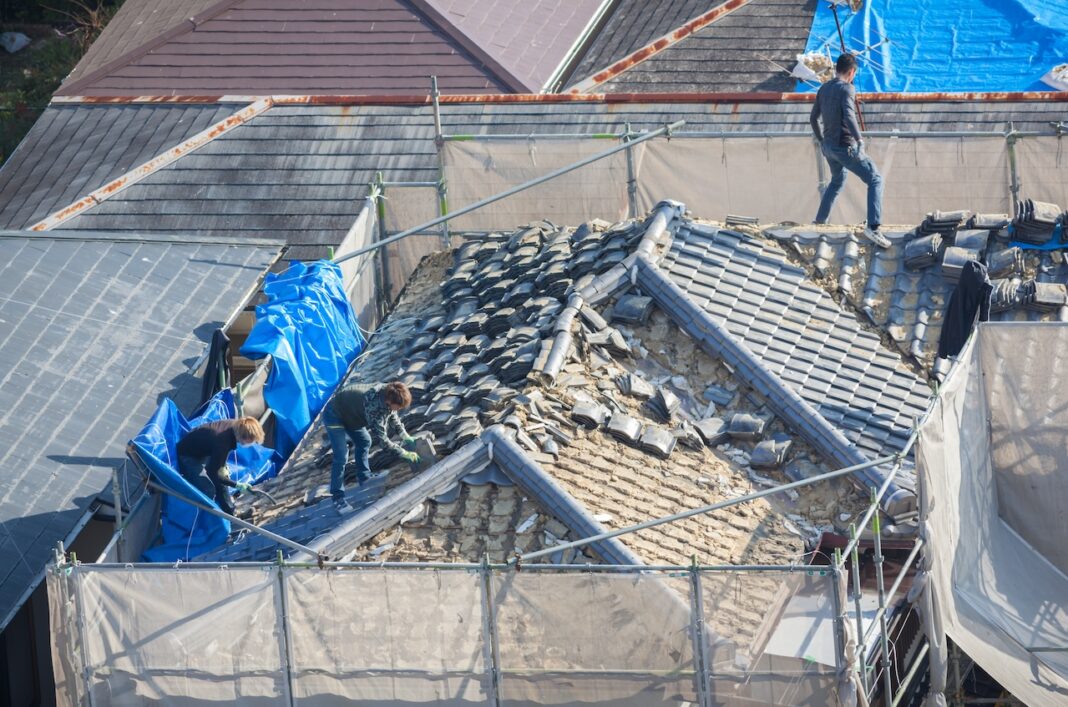


Winter in Los Angeles might not bring the heavy snowstorms that other regions endure, but that doesn’t mean your roof is in the clear. With fluctuating temperatures, occasional downpours, and overwhelming wind events, even modest winters can take a toll on your roofing system. Ignoring these potential issues can lead to costly repairs and structural damage. Here’s what every Angeleno homeowner needs to know about winter roofing challenges and how to address them before they escalate.
1. Clogged Gutters and Drainage Problems
Southern California commercial roofs often aren’t designed for prolonged rain, yet winter storms can bring significant rainfall. One of the biggest culprits of roof damage during wet weather is clogged gutters and drainage systems. When debris like leaves, twigs, and dirt accumulate in your gutters, they prevent water from flowing freely, leading to pooling on your roof. Over time, this excess water can seep into shingles, causing leaks, rot, or mold growth.
What You Can Do:
Clear your gutters regularly, especially after a windstorm or a particularly rainy day. Installing gutter guards can also minimize debris buildup and reduce the frequency of maintenance.
2. Undetected Roof Leaks
A tiny leak in summer can balloon into a major problem by winter. Leaks are especially tricky in Los Angeles homes, as they might not always be immediately visible. Cracked tiles, damaged shingles, or loose flashing can allow water to seep through, which can damage insulation, drywall, and even electrical wiring.
How to Prevent Issues:
Schedule a pre-winter roofing inspection to identify potential weak spots. Early detection of leaks can save you from headaches and unnecessary expenses down the road.
3. Wind Damage
Santa Ana winds are a hallmark of Los Angeles winters. These powerful gusts can lift shingles, exposing the underlayment and compromising the structural integrity of your roof. In severe cases, they can even dislodge tiles or cause debris to strike and damage your home.
Preventive Measures:
Inspect your roof for loose or damaged shingles before the windy season starts. Additionally, trim overhanging branches near your roof to reduce the chances of falling debris during strong winds.
4. Poor Insulation and Ventilation Issues
While LA doesn’t face freezing temperatures, homeowners still rely on their heating systems during chilly winter mornings. Poor roof insulation or inadequate ventilation can make it challenging to maintain a comfortable indoor temperature. If warm air escapes through your roof, not only does it drive up your energy bills, but it can also contribute to uneven temperature regulation within your home.
Solution:
Ensure your attic is well-insulated and that vents are free of blockages. Proper ventilation improves airflow, reduces moisture buildup, and helps your home remain energy efficient.
5. Moss and Algae Growth
While moss and algae may seem like harmless plant growth, they pose a hidden threat to roof longevity. Moist conditions during winter can fuel their growth, especially on shaded sections of your roof. Over time, moss can lift shingles, weaken their adhesion, and lead to decay.
How To Address It:
Treat your roof with moss or algae control solutions, or talk to a roofing professional about preventive coatings. If you notice moss or algae spreading, deal with it quickly before it causes further structural damage.
6. Roof Age and Wear
Even the most durable roofs have a finite lifespan. If your roof is more than 15-20 years old, winter weather can exacerbate wear and tear, increasing the risk of failure. Older roofs are more likely to have loose shingles, worn underlayment, or even rusted flashings, all of which are susceptible to further damage during winter conditions.
When to Consider Replacement:
If your roof frequently needs repairs or shows significant signs of aging, it may be time to think about replacing it.
Stay Proactive and Protect Your Home
While Los Angeles winters may seem mild compared to harsher climates, your roof still faces unique challenges throughout the season. Addressing these roofing issues proactively can protect your home, save you money, and ensure your space remains secure and energy-efficient. If you’re unsure about the state of your roof, consider consulting with a roofing professional. Regular maintenance and inspections can make all the difference in preventing avoidable damage.