
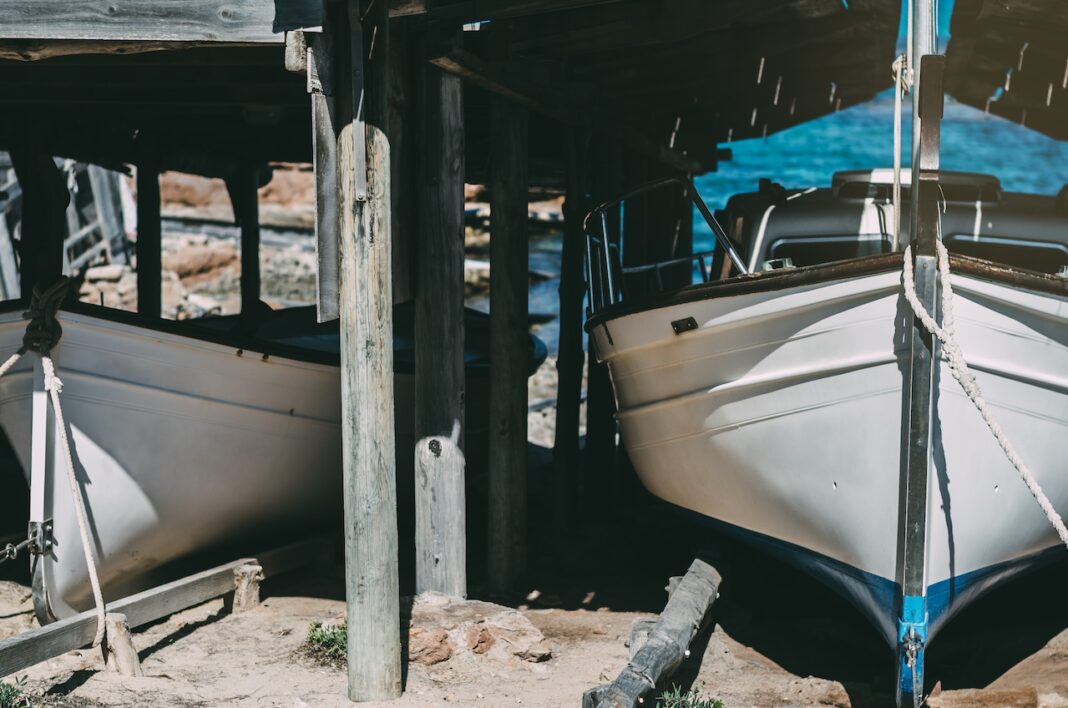


Boating enthusiasts know the value of proper maintenance to ensure their vessel performs at its best for years to come. However, when it comes to storage, especially during the off-season, small mistakes can lead to significant damage—particularly to the engine. Protecting your boat isn’t just about choosing the right boat storage facility; it’s also about avoiding these common pitfalls. Here’s what you need to know to prevent costly repairs and keep your boat’s engine in top condition.
1. Failing to Winterize the Engine
One of the most critical steps in boat storage is winterizing your engine. Leaving water in the cooling system can cause it to freeze and expand during colder months, leading to cracked engine blocks or other severe damage. The same applies to leaving untreated fuel in the system, which can degrade and gum up crucial components.
How to Avoid This Mistake:
- Flush the cooling system to remove any remaining water.
- Add antifreeze to protect the engine.
- Stabilize the fuel to prevent varnish buildup in the fuel lines.
Proper winterization isn’t just a suggestion—it’s a necessity, especially for boats stored in colder climates.
2. Improper Fuel System Management
Fuel systems are highly susceptible to damage during long storage periods. Ethanol-blended fuel, in particular, can attract moisture and cause water contamination in the tank. This can lead to corrosion and poor engine performance.
How to Avoid This Mistake:
- Use a fuel stabilizer to keep the fuel fresh and reduce moisture.
- Keep the fuel tank full during storage to minimize air space where condensation can form.
- Consider using ethanol-free fuel if possible.
Ignoring these precautions can lead to costly repairs that are easily preventable with a little foresight.
3. Storing the Boat Without an Engine Cover
Dust, dirt, and moisture can wreak havoc on an unprotected engine. If your engine isn’t covered during storage, these contaminants can accumulate, leading to corrosion, clogs, or overheating issues.
How to Avoid This Mistake:
- Use a durable engine cover designed for your boat model.
- Ensure the storage area is clean and dry to minimize the risk of exposure.
- If storing your boat outdoors, verify that the boat cover fits snugly and provides adequate ventilation.
Paying attention to these details not only protects your engine but also saves time and effort when prepping the boat for use again.
4. Neglecting Battery Maintenance
Boat batteries often suffer during storage due to neglect or improper care. Allowing the battery to discharge entirely or exposing it to fluctuating temperatures can shorten its lifespan.
How to Avoid This Mistake:
- Disconnect the battery from the boat to prevent it from draining.
- Store the battery in a cool, dry place.
- Use a battery maintainer or trickle charger to keep it charged while in storage.
Replacing a battery is inconvenient and costly, but maintaining it correctly ensures your boat is ready to hit the water as soon as the season begins.
5. Skipping Regular Inspections
Assuming everything is fine without checking can lead to unpleasant surprises when you’re ready to use your boat again. Small issues, such as leaks or loose parts, can escalate during storage and cause engine damage.
How to Avoid This Mistake:
- Inspect the boat thoroughly before storing it, focusing on the engine and fuel system.
- Periodically check the boat during storage, especially if stored for an extended time.
- Address any issues immediately to prevent them from worsening.
Your boat is an investment, and neglecting inspections can reduce its lifespan and resale value.
Choosing the Right Boat Storage Facility Matters
While taking preventive measures is crucial, selecting the right boat storage facility plays a significant role in protecting your engine. A high-quality facility will offer secure storage options, climate control, and expert advice on maintaining your boat during the off-season.
By avoiding these common mistakes, you can ensure your engine remains in excellent shape for your next adventure on the water. Proactive storage measures go a long way toward extending your boat’s life and performance—giving you more time to enjoy the open water and less time dealing with repairs.