
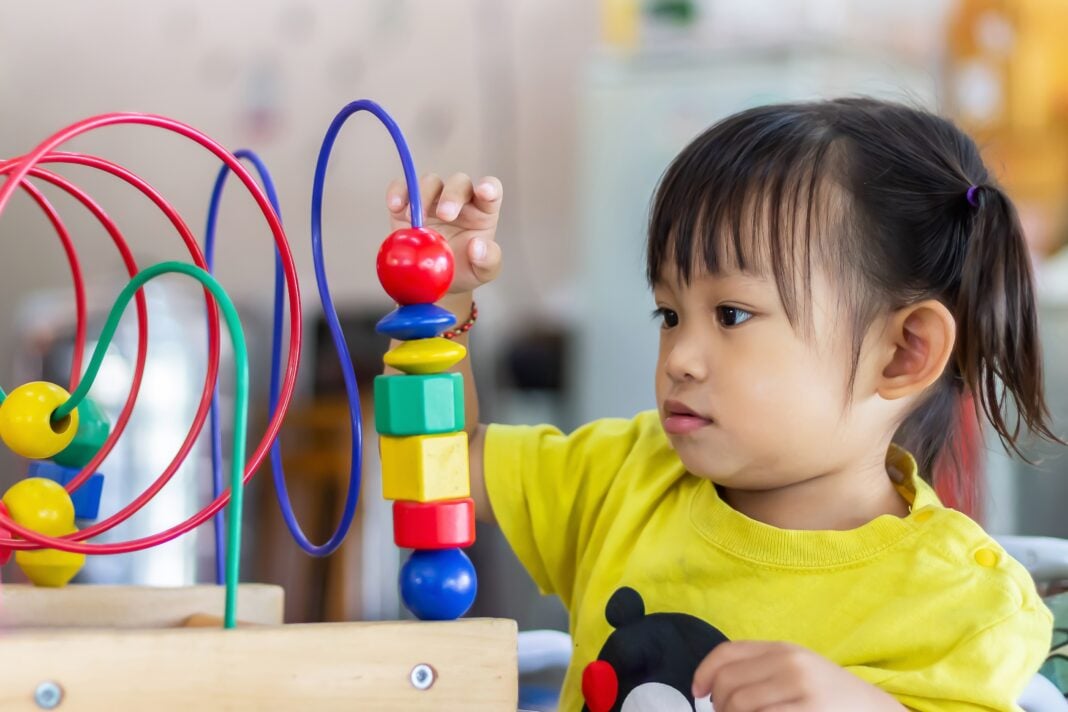


Early learning environments shape far more than a child’s academic foundation. They shape how children feel about exploration, how they interact with others, and how safe they feel while trying new things. At the center of all this is supervision—the quiet, constant presence that allows learning to happen without unnecessary risk. When supervision is strong, children thrive. When it’s lacking, even the best-designed curriculum can fall short.
Why Supervision Matters More Than It Seems
It’s easy to think of supervision as simply “watching” children, but it’s far more nuanced than that. Proper supervision means anticipating needs, recognizing early signs of distress or conflict, and stepping in before small issues become bigger problems. In a daycare setting, this could mean noticing when a child is about to climb somewhere unsafe, or catching an early social conflict between peers before it escalates.
Supervision also plays a critical role in building trust. Children, especially younger ones, need to feel that a caring adult is nearby and attentive. This sense of security allows them to take healthy risks, try new activities, and engage more fully with their environment. Without that reassurance, children can become hesitant, anxious, or withdrawn.
Safety as the Foundation of Learning
Safety and learning go hand in hand. A child who feels unsafe is unlikely to focus on building blocks, practicing letters, or engaging in imaginative play. Attentive supervision removes physical hazards and emotional stressors, creating the kind of environment where curiosity can flourish.
This is where safety quality becomes a defining factor for any daycare or early learning center. Safety quality isn’t just about having the right equipment or following basic protocols—it’s about how consistently and thoughtfully supervision is practiced day to day. A well-designed classroom means little if staff aren’t actively engaged with the children in it. True safety quality blends physical safeguards with human attentiveness, ensuring that both the environment and the people within it support children’s well-being.
The Role of Trained Staff
Supervision is only as effective as the people providing it. Trained educators and caregivers understand child development stages, which means they can anticipate behaviors that untrained adults might miss. They know, for example, how toddlers test boundaries, how preschoolers navigate early friendships, and how easily young children can be distracted near potential hazards.
Daycare staff who receive ongoing training are better equipped to balance supervision with encouragement. They understand when to step in and when to let a child problem-solve independently, striking a balance that fosters both safety and growth. This expertise is a core part of what separates a high-quality daycare from one that simply meets minimum requirements.
Supervision and Social-Emotional Development
Beyond physical safety, supervision plays a major role in helping children develop social and emotional skills. When caregivers are present and engaged, they can guide children through conflicts, model appropriate responses to frustration, and reinforce positive behaviors in real time. These moments—though small—build the foundation for empathy, communication, and self-regulation.
Without active supervision, children may miss out on these teachable moments. Conflicts might go unresolved, or negative behaviors could go unchecked, potentially shaping how children interact with others later in life. Consistent, attentive supervision ensures that emotional development is nurtured alongside academic and physical growth.
Building a Culture of Safety Quality in Daycare Settings
Creating an environment with strong safety quality requires intentional effort at every level. It starts with hiring and training staff who understand the importance of supervision, but it extends to classroom design, staff-to-child ratios, and ongoing communication between caregivers and families.
Daycares that prioritize safety quality often conduct regular safety reviews, encourage open communication between staff, and create clear protocols for handling unexpected situations. These practices work together to create an environment where supervision isn’t an afterthought—it’s woven into every aspect of daily operations.
Conclusion
Child supervision is not a secondary consideration in early learning environments—it is foundational to everything else. From physical safety to emotional development, attentive supervision shapes how children experience their earliest learning environments. Daycares that prioritize safety quality and invest in well-trained, engaged staff create spaces where children can explore, learn, and grow with confidence. In the end, strong supervision isn’t just about preventing accidents; it’s about giving children the freedom to learn safely, one supported step at a time.