
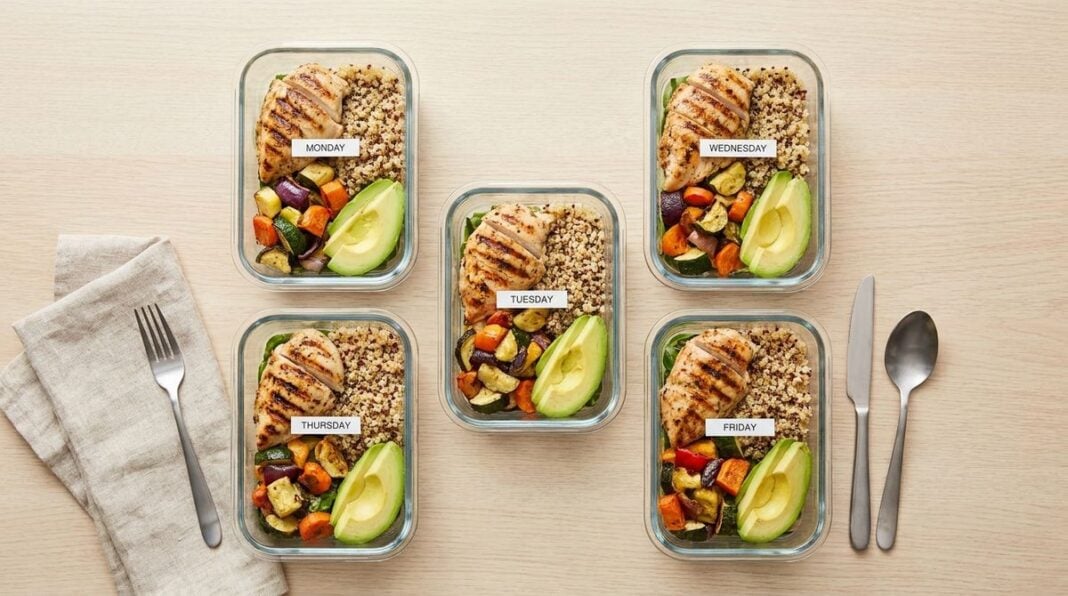


Cooking for two people, one of whom is older and may have different needs, can feel like an extra load after a full workday. Dinner often arrives in the middle of a tired evening, and the parent may have a small appetite, chewing or swallowing difficulties, or dietary restrictions set by their doctor. Meal preparation can make a real difference, because it turns a daily decision into a simple routine. This article offers practical meal prep ideas for busy caregivers, with an emphasis on easy batches, soft textures where needed, and food safety. It is general guidance, and any special diet should be confirmed with the parent’s clinician or a registered dietitian.
Starting with a simple weekly plan
Begin by choosing two or three main meals for the week, rather than planning every single dinner. Keep the menu flexible, so that leftovers can become lunches or easy meals on a busy night. Check the menu against your parent’s dietary advice, and note any foods they must avoid. Write a basic shopping list for the week, grouped by section of the shop, so that the trip takes less time. Ask your parent’s care team whether any menu changes are needed before you shop. A short plan written on one page is often enough to keep meals on track without much effort.
Cooking in batches that freeze well
Batch cooking is one of the most useful habits for working caregivers. Soups, stews, casseroles, and rice dishes can often be made in large amounts and portioned into containers for the freezer. Cool food quickly before freezing, label each container with the date, and use within a sensible time. Keep a note of the recipe and portion size on the label, so that future batches are easy to repeat. Choose recipes that can be softened or mashed if your parent needs a smoother texture. Batch cooking on a day off can save several evenings, and many caregivers find that the first session takes longer but the rest of the week becomes much easier.
1. Choose one soup or stew to make once a week and freeze in single portions.
2. Cook one tray of roasted vegetables and one pot of grains that can be reheated quickly.
3. Keep a few ready protein options, such as eggs or beans, for quick meals.
4. Label every container with the contents and the date it was made.
Adapting textures for an older parent
Some older people have difficulty chewing or swallowing, and food texture can become a safety concern. If your parent has been advised to change textures, follow that guidance carefully. Soft foods such as well-cooked vegetables, mashed potatoes, and tender fish can be easier to manage. Blending soups to a smooth consistency or adding a little extra liquid to a stew can help. Avoid foods that crumble or are very dry unless the care team says they are suitable. Readers may also want to visit Nova Magazine. If you are unsure whether a texture is safe, ask a speech and language therapist or the parent’s doctor for advice.
Keeping food safe and simple
Food safety matters more for older adults, who may be more vulnerable to infections. Keep the fridge cold, check use-by dates, and do not leave cooked food out for long periods. Reheat leftovers until they are steaming throughout, and do not reheat food more than once. Store cooked food in shallow containers so that it cools faster. Wash hands and surfaces before and after handling raw meat. If your parent has a specific diet or food allergy, keep a clear label on relevant items, and make sure any helper knows the rules. Many caregivers also keep a small list of simple emergency meals, such as canned soup or eggs, for nights when cooking is not possible.
Making mealtimes easier to manage
Mealtimes are about connection as well as nutrition. A relaxed dinner, even a short one, can be a useful part of the day. Set the table before the parent arrives, keep the room calm, and serve food at a comfortable temperature. If your parent eats more slowly, plan for extra time, and avoid rushing them. Some caregivers serve smaller portions more often rather than one large meal, which can be easier on a small appetite. You can also visit iamthomasjullien.com for more reading.
Cooking for an older parent while working is demanding, but routines can keep it manageable. Keep your plan simple, your freezer organized, and your expectations realistic. If your parent loses weight, has trouble eating, or develops new swallowing difficulties, speak with their doctor or another qualified professional promptly. Food is a practical way to care for your parent, and small, steady habits can make a meaningful difference over time.