


Webinars are one of the highest-converting sales mechanisms available online. A well-structured webinar that delivers genuine value and presents an offer compellingly can generate tens of thousands of dollars in a single 60–90 minute session. The format works because it builds trust rapidly through live teaching before transitioning to a natural, non-pushy offer.
Why Webinars Convert So Well
Live context creates commitment: People who register for and attend a webinar are far more engaged than passive readers. The time investment they’ve made increases their willingness to take the next step.
Teaching builds trust quickly: When you demonstrate expertise by teaching valuable content in real time, prospects experience your knowledge directly. This is the most powerful form of credibility.
Q&A removes objections live: The live Q&A portion allows you to address hesitations and concerns in real time, which overcomes the biggest barrier to purchase.
Step 1: Choose Your Webinar Topic
The ideal webinar topic is directly related to the problem your product or service solves. If you sell a productivity course for entrepreneurs, your webinar might be “The 3 Systems That Helped Me Build a 6-Figure Business in 20 Hours per Week.”
The topic must be compelling enough to get registrations AND set up the natural transition to your offer.
Step 2: Build Your Registration Page
A strong registration page includes:
A compelling headline (the specific outcome attendees will achieve)
A date and time with clear time zone information
A brief description of what will be covered
Your photo and bio
A registration form (first name and email)
Drive traffic to your registration page via email, social media, paid ads, and partner promotions.
Step 3: Structure Your Webinar
The classic webinar structure:
Introduction (10 min): Welcome, establish credibility, set expectations
Content delivery (40 min): Teach 3–5 high-value concepts genuinely
Transition to offer (5 min): Natural bridge from teaching to offer
Offer presentation (15 min): Explain your product, its benefits, bonuses, and pricing
Q&A (20 min): Answer questions while attendees make purchase decisions
The transition from teaching to selling should feel natural. Something like: “Everything I’ve taught you today is the strategy. If you want the complete system, templates, and my direct support implementing it, let me tell you about [Product Name].”
Writing the transition from education to pitch requires skill and care. Readers may also want to visit ThePitsky.com.
Step 4: Follow Up With All Registrants
Most registrants don’t attend live. Send a replay email immediately after the webinar. Then follow up with a sequence promoting your offer over the next 72 hours with a clear deadline.
Non-attendees often convert at lower rates but still represent significant revenue. Don’t neglect this group.
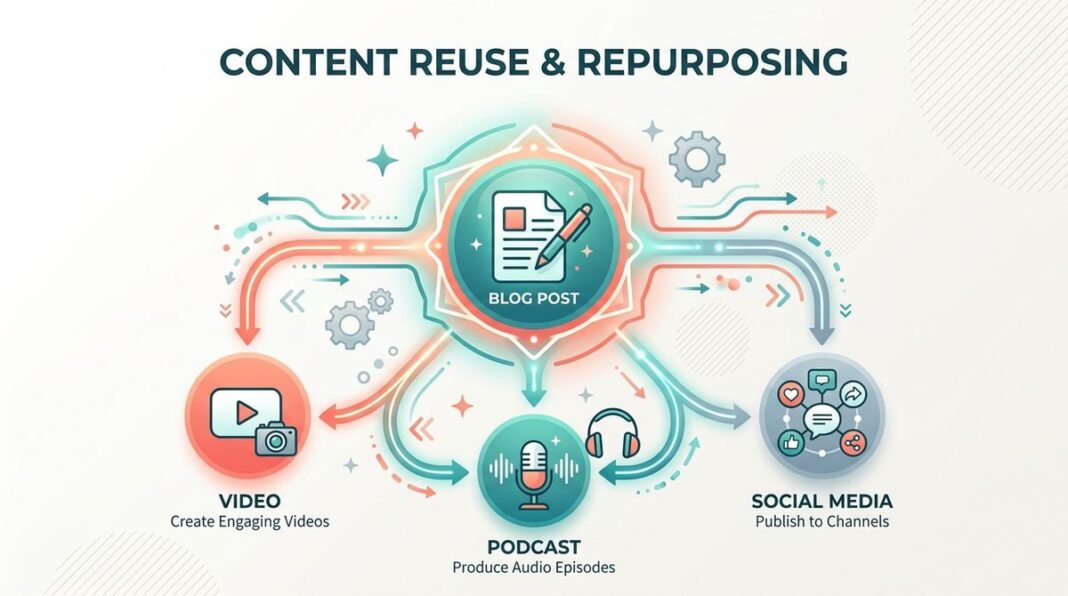
Step 5: Repurpose Your Webinar
Record your live webinar and repurpose it:
As an automated evergreen webinar running on demand
As YouTube content
As podcast episodes (audio track)
As blog posts based on the content
UK Webinar Audiences
UK audiences attend webinars at high rates, particularly in the business, professional development, and technology categories. Optimal times for UK webinars are 12 PM and 7 PM GMT/BST. You can also visit drfoxvet.net for more reading.
Webinar Revenue and Business Value
Businesses that generate consistent, documented webinar sales have a proven, repeatable revenue mechanism. This predictability is extremely attractive to buyers. For a related read on this site, see How to Optimize Your Product Pages for Google.
Master the webinar format and you’ll have one of the most powerful selling tools in your business arsenal.