
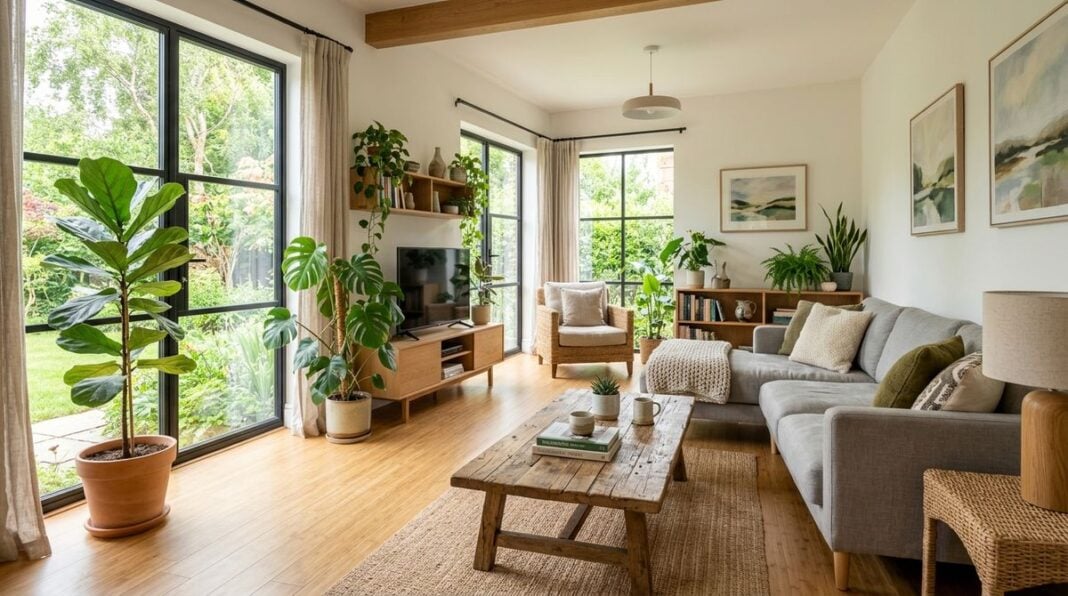


Finding a place to live is rarely just about square footage or cosmetic finishes. At its heart, choosing a home is about designing the framework for your everyday routine. When a residence aligns with how you wake up, prepare meals, focus on meaningful projects, and unwind in the evening, daily life feels distinctly lighter. Even an attractive property can quickly become frustrating if the underlying floor plan works against your natural habits.
Many home searches begin with a focus on surface aesthetics, such as modern tile patterns or fresh paint. While visual appeal brings immediate pleasure, lasting satisfaction depends much more on how effortlessly an environment supports basic human routines. By directing your attention toward daily flow, acoustic comfort, neighborhood surroundings, and genuine practicality, you can identify a living space that truly nurtures your well-being.
Pinpointing Your Real Day-to-Day Habits
Before touring properties or compiling listings, take time to observe how you actually move through a typical week. Notice where you spend quiet mornings, how much counter room you need for cooking, and what spaces allow you to relax without feeling crowded. A sunlit nook for morning coffee might contribute far more to your daily contentment than a formal dining area that sits unused throughout the year.
Consider the activities that define your personal schedule. If you work remotely, having a physical boundary between your desk and sleeping quarters helps preserve mental rest. If you enjoy creative hobbies or physical fitness, accessible storage prevents gear from cluttering shared spaces. Documenting these patterns establishes a practical filter for evaluating every prospective home you visit.
Keeping personal lifestyle needs at the center of your decision prevents settling for properties that look remarkable in photos but lack everyday livability. Dedicated real estate resources such as sinolandquality.com can assist when you want to explore residential options designed to support your long-term comfort and personal vision for everyday living. Evaluating each home against your daily habits ensures that your eventual choice feels genuinely functional rather than merely stylish.
Evaluating Neighborhood Rhythms and Surroundings
A home extends far beyond its interior walls. The surrounding neighborhood shapes your day just as significantly as the rooms inside. A property with exceptional craftsmanship can lose its appeal if basic errands require stressful transit or if exterior noise disrupts your sleep. Spending time in the surrounding area across different hours reveals the true atmosphere of a community.
Notice how conveniently you can access essential stops like grocery markets, green parks, and pedestrian paths. Pay attention to foot traffic on weekend mornings and vehicle patterns during afternoon rush hours. If you enjoy regular outdoor walks or cycling, look for continuous sidewalks and calming open spaces that make step-by-step movement an effortless part of your daily routine.
Exploring an unfamiliar community requires deliberate patience, especially when competing factors pull your focus in different directions. Maintaining emotional balance while reviewing options keeps the search sustainable and clear. If you ever feel exhausted by frequent viewings and endless decisions, exploring mindful techniques for protecting your peace of mind while searching can help keep your expectations centered and manageable.
Assessing Functional Details During Walkthroughs
During open houses and private tours, look past decorative staging to evaluate the functional bones of the property. Staging furniture is intentionally selected to make rooms feel open, but you need to picture your own possessions in those spaces. Checking practical storage, utility placement, lighting, and movement corridors reveals how easily the home will function day after day.
- Natural daylight exposure across primary living areas throughout the day
- Dedicated closet and utility storage for seasonal gear and household items
- Logical room flow that allows comfortable walking paths between main spaces
- Convenient electrical outlets and fixtures placed where you naturally need them
Understanding whether a property can readily adapt to modern living often requires a solid grasp of structural balance and long-term improvements. Helpful educational hubs like Realestateguidance.org provide practical guidance on property evaluation, maintenance expectations, and sensible home betterments so you can make informed choices with greater confidence. Reliable insights help you separate minor cosmetic fixes from fundamental layout limitations.
Testing Your Routine in the Space
One practical strategy for assessing a property is to mentally rehearse your daily schedule while standing inside the rooms. Picture an average weekday morning: Is the path between bedroom, bathroom, and kitchen intuitive, or will household members constantly cross paths? Is there an organized entryway for shoes, jackets, and bags, or will clutter instantly spill into your main relaxation zone?
Extend this rehearsal to the local environment as well. Travel the prospective route to work or schools at the exact hour you normally depart. Stop by the local market to see if it carries your preferred goods, and walk the residential streets at dusk to observe ambient lighting and overall activity. These realistic experiences offer valuable context that photos and promotional listings cannot provide.
Planning for Long-Term Adaptability
A supportive home accommodates both current circumstances and the inevitable changes that arise over time. Whether you plan to explore new hobbies, care for visiting family, or modify your work commitments, selecting a versatile layout provides lasting peace of mind. Flexible rooms can effortlessly shift from a dedicated home office into a creative studio or quiet reading den as your priorities evolve.
Pay special attention to spaces that serve dual purposes without extensive remodeling. A wide hallway alcove, an adaptable basement, or a well-proportioned guest room gives a residence room to breathe. When a house offers built-in versatility, you avoid the disruptive pressure to move again simply because your lifestyle demands subtle adjustments.
Building a Sustainable Foundation for Living
Choosing a living space is fundamentally an investment in your personal well-being. By prioritizing practical layout, accessible community resources, and daily comfort over short-lived trends, you create an environment that actively sustains you. Every careful observation you make during your search helps build a smoother, more enjoyable everyday experience.
Take your time and approach the search with calm intention. When you clearly understand what supports your everyday peace and productivity, the right living space becomes easy to identify. A home that honors your natural rhythms will always remain the most dependable foundation for a healthy, rewarding life.