


Finding a residential space that feels comfortable across every stage of the week requires more than admiring clean lines and polished surfaces. While an attractive entryway or modern lobby can make an immediate impression, true convenience reveals itself in the quiet rhythms of regular life. How easily you can unload groceries, wash laundry, step out for fresh air, or settle into an evening of quiet rest plays a much larger role in your daily satisfaction than decorative design choices.
Modern residential complexes often market a wide variety of features designed to entice prospective residents. However, without a clear strategy for distinguishing genuinely functional benefits from decorative additions, it is easy to choose a home that looks wonderful in pictures yet creates daily friction. Learning to evaluate a building through the lens of your everyday personal routine allows you to choose an apartment that genuinely supports your lifestyle.
Prioritizing Floor Plans That Match Your Natural Habits
A sensible floor plan should accommodate the way you move from room to room throughout the day. When inspecting an apartment layout, consider how your morning unfolds. If you prepare meals frequently, counter space and sensible cabinet placement matter far more than oversized decorative islands that crowd walkways. Notice whether the path between the kitchen, the dining area, and the refrigerator feels natural or awkwardly obstructed.
Storage is another foundational element that directly affects daily peace of mind. Built-in closets, pantry shelving, and utility closets keep clutter from encroaching on your living areas. An apartment that provides organized storage makes maintaining an orderly, calm environment far simpler. Consider where everyday items such as vacuum cleaners, winter coats, and surplus household goods will live before deciding whether a space meets your needs.
Natural lighting and ventilation also shape your experience of a home. Windows that offer cross-breezes and clear sightlines make even compact layouts feel spacious and welcoming. Take note of which direction the primary windows face, as southern and western exposures bring sustained daylight, while northern exposures provide soft, indirect illumination that remains consistent throughout working hours.
Assessing Shared Amenities for Genuine Everyday Value
Residential buildings frequently highlight extensive amenity suites, ranging from rooftop lounges to communal dining halls. While these spaces look impressive on tours, their practical value depends entirely on how often you will incorporate them into your weekly schedule. A well-equipped fitness room or a quiet resident lounge can save you time and commute hassles, but only if they are accessible and maintained with care.
Practical considerations often outweigh luxury novelties. Secure package rooms, reliable elevator access, temperature-controlled bicycle storage, and dedicated trash disposal chutes on each floor tend to improve daily quality of life far more than rarely used social rooms. When researching residential developments and rental options through platforms such as Chung CU Luxury Apartment, focusing on functional convenience helps identify homes designed around practical resident comfort rather than superficial appeal.
Look carefully at how shared facilities are managed. Inquire about reservation policies, operating hours, and guest guidelines. Amenities that carry excessive restrictions or inconvenient operating hours often end up sitting unused, turning what seemed like an advantage into a wasted building asset.
Gauging Transit, Walkability, and Local Surroundings
A convenient apartment does not exist in isolation from its surroundings. The ease with which you connect to basic services directly dictates how much time and energy you expend on ordinary errands. Proximity to reliable public transportation, pedestrian-friendly walkways, grocery stores, pharmacies, and green spaces forms the foundation of effortless neighborhood living.
Before committing to a residential location, take time to study the broader district. Urban neighborhoods evolve over time, with municipal planning and new transit links steadily altering local traffic patterns and community resources. Consulting comprehensive regional real estate resources such as Aksaray City can help you stay informed about broader neighborhood developments, infrastructure growth, and emerging local trends that influence long-term livability.
It is equally wise to test your routine commute during normal business hours rather than relying solely on weekend impressions. Walking from the building lobby to the nearest transit stop or driving to the nearest retail market reveals sidewalk lighting, traffic bottlenecks, and safety factors that might remain unnoticed during an afternoon visit.
Evaluating Acoustic Comfort and Property Management
Quiet living quarters are essential for quality sleep, productivity, and emotional well-being. Modern construction methods vary significantly in how effectively they dampen sound transfer between adjacent units. When visiting an apartment, listen attentively for sounds from adjacent hallways, overhead footsteps, plumbing lines, and street activity outside closed windows.
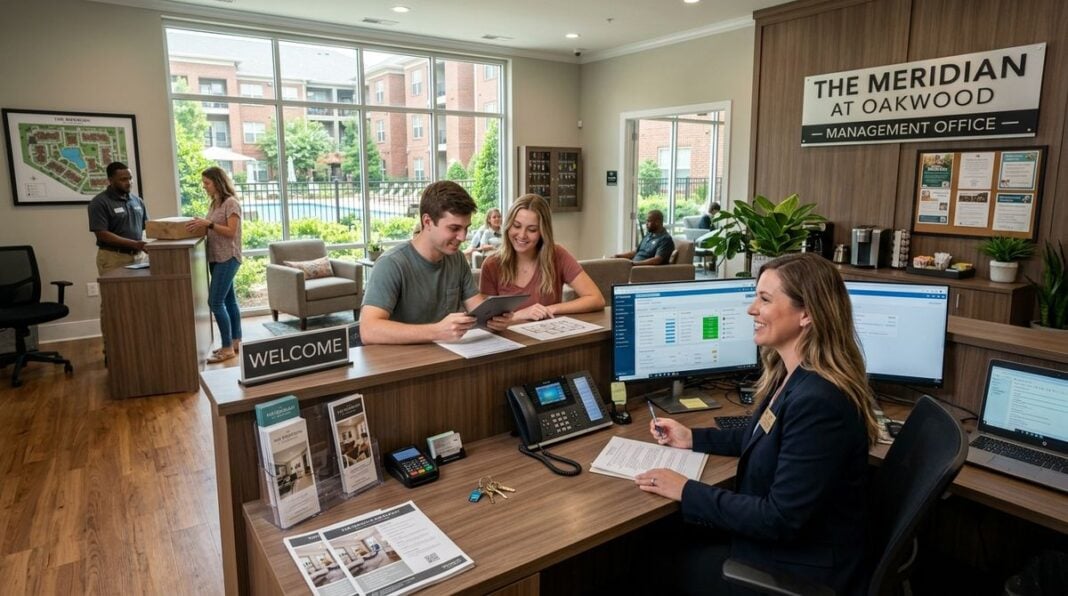
Management responsiveness is another critical pillar of convenience. A dependable on-site maintenance team prevents minor repairs from lingering into chronic frustrations. Observe the general upkeep of common hallways, stairwells, and entrance vestibules during your visit. Clean, orderly shared areas typically reflect a management team that addresses maintenance needs promptly and takes pride in property operations.
Navigating the various stages of residential tours can occasionally feel overwhelming, especially when balancing aesthetic preferences with practical considerations. Following a thoughtful approach to protecting your peace of mind while searching enables you to evaluate property operations calmly, ask pertinent questions, and avoid rushing into decisions without adequate review.
Conducting a Practical On-Site Walkthrough
Developing a structured inspection routine ensures that you do not overlook essential mechanical and spatial details during a property tour. Rather than simply admiring staging furniture, spend your tour checking the physical elements that support daily tasks.
A focused inspection should include several quick functional checks:
- Turn on multiple faucets to check water pressure and observe drainage speed.
- Open and close windows and doors to evaluate weather sealing and sound insulation.
- Check cellular reception across every room, especially in interior bedrooms and home office spaces.
- Examine the placement of electrical outlets near intended desk and bed locations.
- Locate emergency exits, trash chutes, and mail collection zones relative to the apartment door.
Taking notes immediately after completing each walkthrough helps keep specific details distinct when comparing multiple properties later. Small details, such as convenient light switch placement or quiet heating and cooling units, quickly add up to create a peaceful and effortless living environment.
Choosing an apartment that supports your lifestyle requires balancing aesthetic charm with practical function. By assessing floor plans, prioritizing everyday amenities, examining neighborhood resources, and inspecting building mechanics, you can select a home that simplifies your daily responsibilities. When your living space operates smoothly behind the scenes, you gain the time and comfort needed to enjoy every part of your routine.