
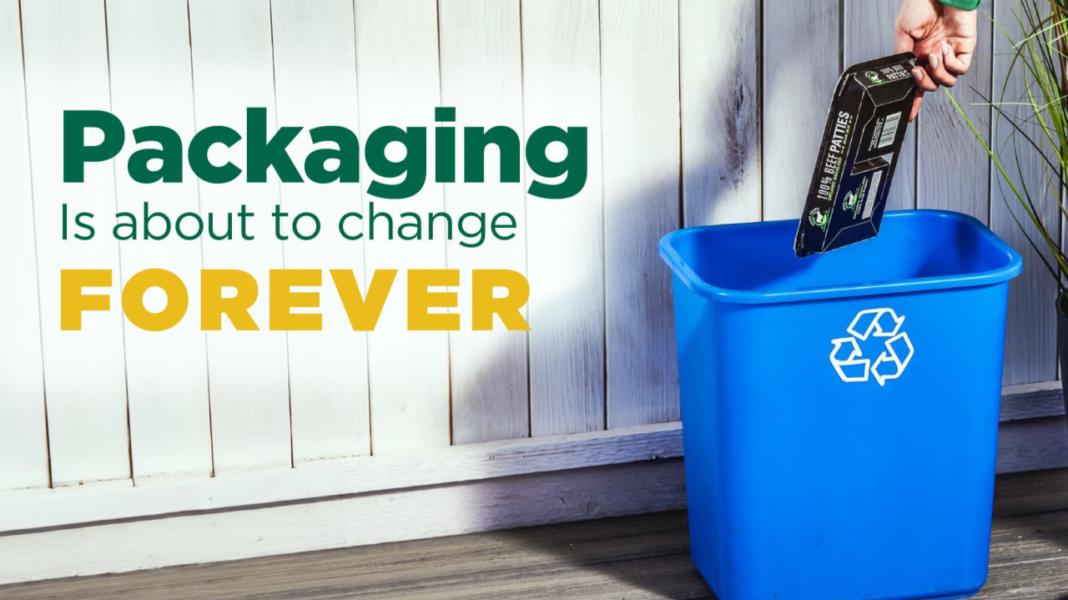


The European Union aims to make all packaging on the EU market recyclable by 2030 through the Packaging and Packaging Waste Regulation (PPWR). This means consumer brands need to rethink their product packaging and how they sell their products worldwide in order to meet regulation requirements.
The PPWR affects all packaging or packaged products regardless of where they are produced. Many companies that run their business in multiple countries use standardized packaging across international markets to decrease costs while streamlining operations, so the PPWR has the potential to seriously affect how companies outside of Europe create their packaging.
All packaging in the EU market must achieve performance grades of A, B, or C in order to remain in the market as packaging with less than 70% recyclability will be removed by 2030. The grading system makes recyclability an obligation instead of just a consideration, with further incentives given to packaging with higher grades through lower Extended Producer Responsibility (ERP) fees.
As more companies become affected by the PPWR, paperboard becomes an appealing option with its high recyclability, established collection networks, and fiber-based format that make it possible to be used over and over again. Consumer brands that adopt paperboard into their packaging will be better prepared for the future in a market where sustainability is becoming the norm.