
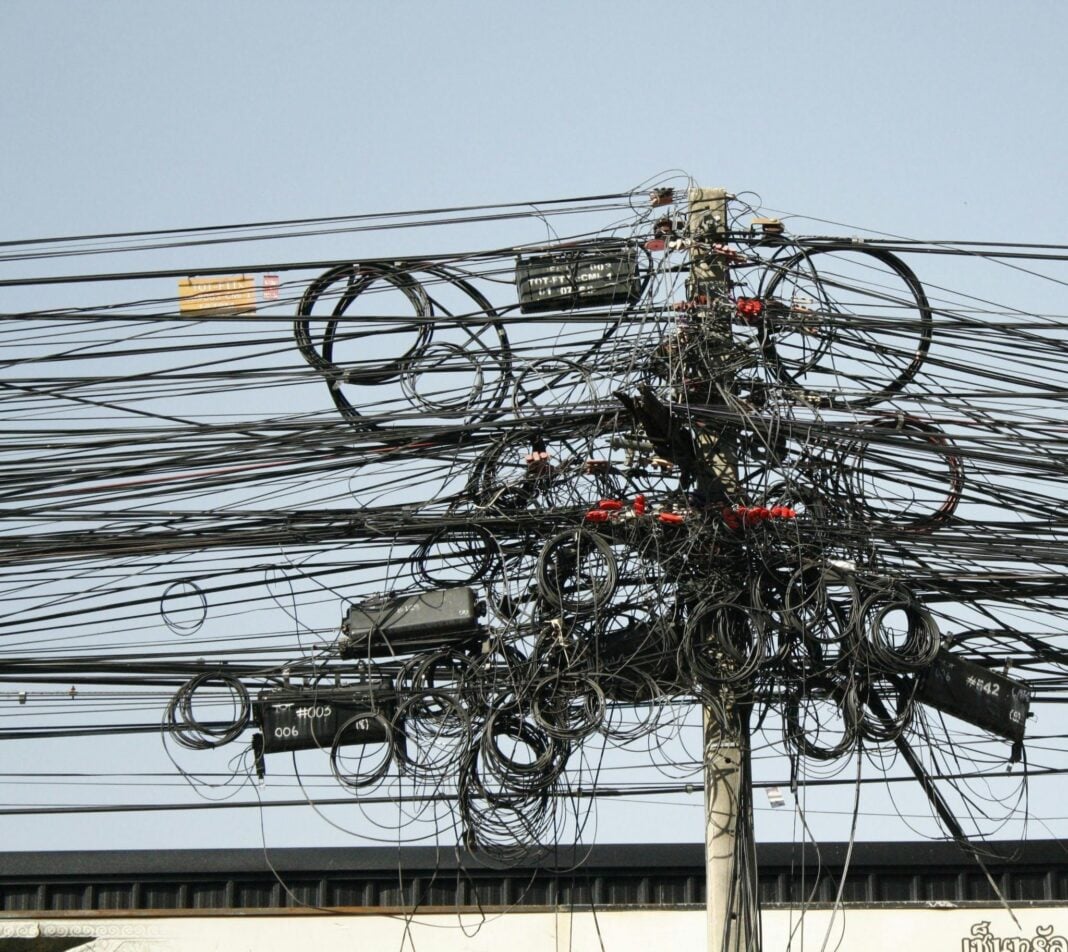


Walk into any modern production facility today, and you will see an incredible amount of activity. It is not just the physical movement of parts, forklifts, and robotic arms anymore. There is an invisible storm of data constantly swirling around every single workstation.
As global business circles discuss the rapid adoption of enterprise software and real time analytics, a much quieter crisis is brewing right on the shop floor. It is called cognitive overload, and it is quietly becoming the single greatest threat to manufacturing productivity and worker well-being.
For years, the industry has operated under the assumption that more information is always better. We have added digital dashboards, flashing status lights, inventory tracking monitors, and constant system alerts. We thought we were empowering our frontline workers by giving them access to everything at once. Instead, we have done the exact opposite. We have overwhelmed the human brain, forcing operators to spend more time filtering out noise than actually focusing on the craftsmanship of the build.
The Invisible Tax on Brainpower
Human attention is a finite resource. When a technician stands at an assembly line, they need their brainpower focused entirely on the physical task in front of them, especially when working on complex machinery where a tiny mistake can cost thousands of dollars. But when that worker is forced to constantly shift their eyes to navigate a cluttered interface, scroll through a massive text document, or interpret a messy drawing, their mental energy drains rapidly.
This mental exhaustion is an invisible tax on the entire operation. It does not show up as a broken machine on a maintenance log, but it manifests in ways that are far more damaging. It shows up as the split second hesitation before an operator inputs a setting. It shows up as the skipped quality check because the worker was distracted by a system alert. When people are cognitively overwhelmed, their field of vision literally narrows. They stop seeing the details, they stop catching the subtle errors, and eventually, they burn out.
Moving from Data Dumps to True Guidance
Garth Coleman, the CEO of Canvas Envision, has highlighted a perspective that addresses this exact structural flaw. His view is that the manufacturing industry has built a magnificent digital pipeline but failed to build a usable tap at the end of it. In his eyes, we are guilty of dumping raw data onto people who desperately need simple guidance. The goal should not be to show a worker how much data the company possesses, but to show them exactly what they need to know to successfully complete the next step.
Coleman and the team at Canvas Envision argue that the antidote to cognitive overload is radical visual simplicity. Instead of forcing a worker to read a long paragraph of instructions and mentally translate it into a physical action, the information should be delivered as a clean, interactive visual asset. When an operator can look at a dynamic model and see exactly where a wire goes or how a seal fits, the mental friction drops to zero. The brain does not have to work hard to interpret the instructions, leaving all of that cognitive energy free to be spent on executing a perfect build.
The Illusion of the High Tech Worker
There is a false idea floating around the industry that a smart factory requires workers to act like computer scientists. We see promotional videos of operators managing three different tablets while monitoring a row of screens. It looks high tech, but in reality, it is a recipe for operational chaos. The most advanced factory floor is not the one with the most screens; it is the one where the technology feels completely invisible because it blends seamlessly with the natural human workflow.
As we look at the workforce challenges making news this week, particularly the difficulty of onboarding new hires quickly, reducing mental strain becomes a massive competitive advantage. If a new employee walks into a workplace where the training materials and daily tasks feel like a chaotic puzzle, they are going to feel defeated before their first shift ends. But if you give them a visual, interactive guide that holds their hand through the process without overwhelming them, you build immediate confidence. You turn a stressful environment into a space where people can actually enjoy the mastery of their work.
The Path to Radical Simplification
We have reached the limit of what the human mind can handle when it comes to raw data consumption on the job. The path forward for manufacturing cannot be about adding more alerts, more tracking metrics, or more complex software layers. The future belongs to radical simplification.
We are pointing the way toward a much healthier, more productive relationship between humans and machines. By prioritizing visual clarity over data dumping, companies can protect their workers from cognitive fatigue while simultaneously driving down error rates. It is time to clear the digital clutter off the shop floor and give our frontline teams the mental breathing room they deserve. When we lighten the cognitive load, we do more than just improve efficiency, we create a workplace where human skill can truly shine.