
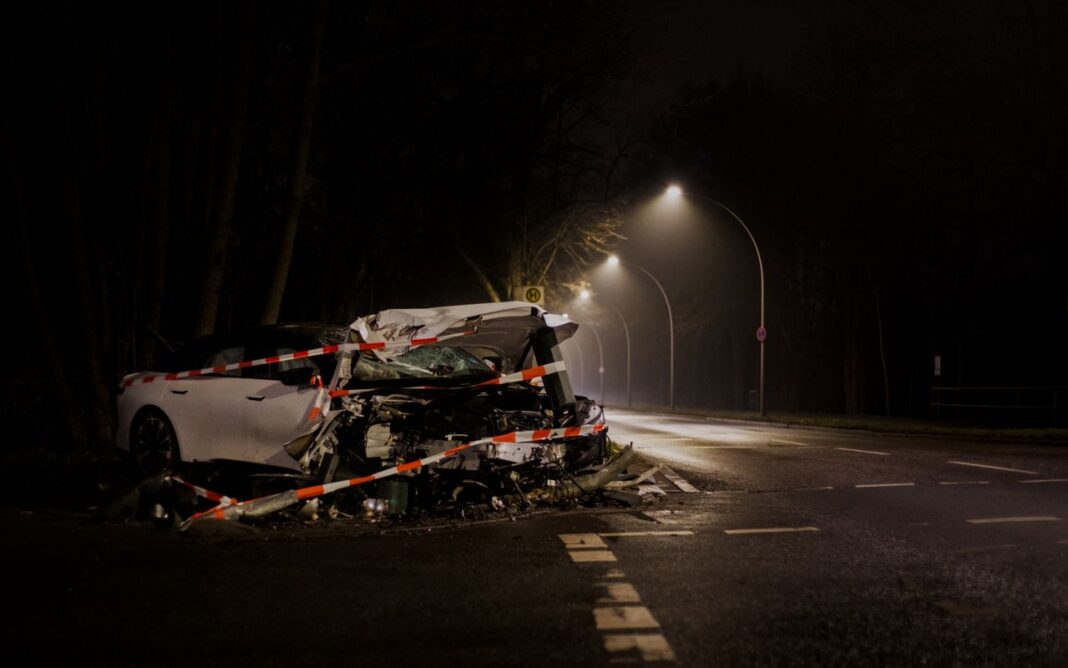


Vehicle collisions remain one of the leading causes of serious injury across the country, and understanding why these crashes happen is an important first step toward both prevention and, when prevention fails, knowing how to respond. Some collisions result from momentary lapses in judgment, while others stem from patterns of negligence that repeat themselves on roadways every day. Knowing the common causes of these crashes, along with recognizing when a situation calls for legal guidance, can help injured drivers and passengers protect their rights after a collision occurs.
Distracted Driving
How Distraction Contributes to Crashes
Distracted driving remains one of the most common causes of vehicle collisions nationwide. This includes texting or using a smartphone, adjusting navigation systems, eating while driving, talking with passengers, and even mentally drifting due to fatigue or stress. Any activity that takes a driver’s attention away from the road, even briefly, increases the likelihood of a collision significantly, since reaction time is one of the most critical factors in avoiding a crash.
Why These Cases Can Be Easier or Harder to Prove
Distracted driving cases can sometimes be supported by strong evidence, including cell phone records that show texting or calls at the time of the crash, witness accounts describing erratic driving behavior, and traffic camera footage. However, proving distraction in the absence of this kind of direct evidence can be more challenging, often requiring careful investigation and, in some cases, subpoenaed phone records to establish what truly happened in the moments before the crash.
Impaired Driving
Driving under the influence of alcohol or drugs continues to be a significant cause of serious and fatal collisions. Impairment slows reaction time, affects judgment, and reduces a driver’s ability to respond appropriately to changing road conditions or unexpected hazards. Collisions involving impaired drivers often result in more severe injuries due to higher speeds and delayed braking responses.
Cases involving impaired driving frequently include strong supporting evidence, such as police reports documenting field sobriety tests, blood alcohol content results, and toxicology reports. This evidence can significantly strengthen a personal injury claim and may also support a request for punitive damages in jurisdictions that allow them for particularly reckless conduct.
Speeding and Aggressive Driving
Excessive speed reduces the time a driver has to react to hazards and increases both the likelihood and severity of a collision. Aggressive driving behaviors, including tailgating, abrupt lane changes, and failure to yield, often compound the risks associated with speeding alone. These behaviors are particularly dangerous on highways and during high-traffic commuting periods, when small errors in judgment can have outsized consequences at higher speeds.
Establishing Speed as a Contributing Factor
Determining whether speed contributed to a collision often involves analysis of skid marks, vehicle damage patterns, and sometimes data retrieved from a vehicle’s event data recorder, commonly known as a “black box.” Accident reconstruction specialists are frequently brought in for serious collisions to analyze this evidence and provide an expert opinion on the speeds and movements of the vehicles involved leading up to impact.
Failure to Yield and Intersection Violations
A significant portion of vehicle collisions occur at intersections, often due to a driver failing to yield the right of way, running a red light, or misjudging the timing of a turn. These crashes can be particularly severe because vehicles frequently collide at an angle, known as a T-bone collision, which exposes occupants to less structural protection than a typical front or rear impact.
Intersection collisions often hinge on traffic signal timing, witness accounts, and any available camera footage from nearby businesses or municipal traffic systems. Establishing exactly who had the right of way at the moment of impact is frequently the central factual dispute in these cases.
Poor Road Conditions and Maintenance Failures
Not every collision results from driver error alone. Poorly maintained roads, including potholes, inadequate signage, malfunctioning traffic signals, and insufficient lighting, can contribute significantly to crashes. In some cases, the government entity responsible for road maintenance may bear partial or full liability for a collision caused by hazardous conditions that went unaddressed despite being reported or reasonably foreseeable.
Claims involving government liability for road conditions typically involve specific procedural requirements, including shortened notice periods and filing deadlines that differ from standard personal injury claims. Identifying this type of liability early is important, since missing a government claim deadline can permanently bar recovery from that responsible party.
Weather-Related Hazards
Rain, snow, ice, and fog all increase the risk of vehicle collisions by reducing visibility and traction. While weather itself is not something anyone can be held liable for, a driver’s failure to adjust their speed and behavior appropriately for hazardous conditions can still constitute negligence. Courts generally hold drivers to a standard of reasonable care given the conditions present at the time, meaning that driving at a speed that would be safe on a dry road but unsafe in heavy rain or snow can still support a finding of fault.
Understanding Your Rights After a Collision
Regardless of the specific cause, every collision raises important legal questions about fault, liability, and the compensation an injured party may be entitled to pursue. For a comprehensive overview of how car accident claims work, including how liability is established and what damages may be available, FindLaw’s car accident resource center provides a thorough breakdown of the legal principles that apply across most jurisdictions.
Comparative Negligence and Shared Fault
Many states, including Connecticut, apply a modified comparative negligence standard, meaning an injured party’s compensation can be reduced based on their own percentage of fault in causing the collision. If a driver is found to bear 51 percent or more of the responsibility, recovery may be barred entirely. This makes accurate documentation and a well-supported factual record especially important, since insurers frequently attempt to shift blame toward the injured party to reduce their financial exposure.
When to Seek Legal Help
Not every minor fender bender requires legal representation, but certain situations call for professional guidance without delay. These include collisions resulting in significant injury, cases where liability is disputed or unclear, crashes involving multiple vehicles or commercial trucks, situations where the insurance company offers a quick settlement before the full extent of injuries is known, and any collision involving a government vehicle or hazardous road conditions that may implicate a municipal entity.
An experienced attorney can investigate the cause of the collision thoroughly, identify all liable parties, and ensure that settlement negotiations reflect the true value of your damages rather than the insurer’s initial lowball offer. If you have been injured in a vehicle collision in Stamford, consulting a Car Accident Lawyer in Stamford can provide the local insight and dedicated advocacy needed to protect your rights and pursue full and fair compensation.
Final Thoughts
Vehicle collisions arise from a wide range of causes, from distracted and impaired driving to poor road conditions and weather-related hazards. Understanding these common causes helps clarify how fault is typically established and what evidence matters most in building a strong claim. When a collision results in serious injury or disputed liability, seeking legal guidance promptly is one of the most effective ways to protect your rights and secure the compensation your situation warrants.