
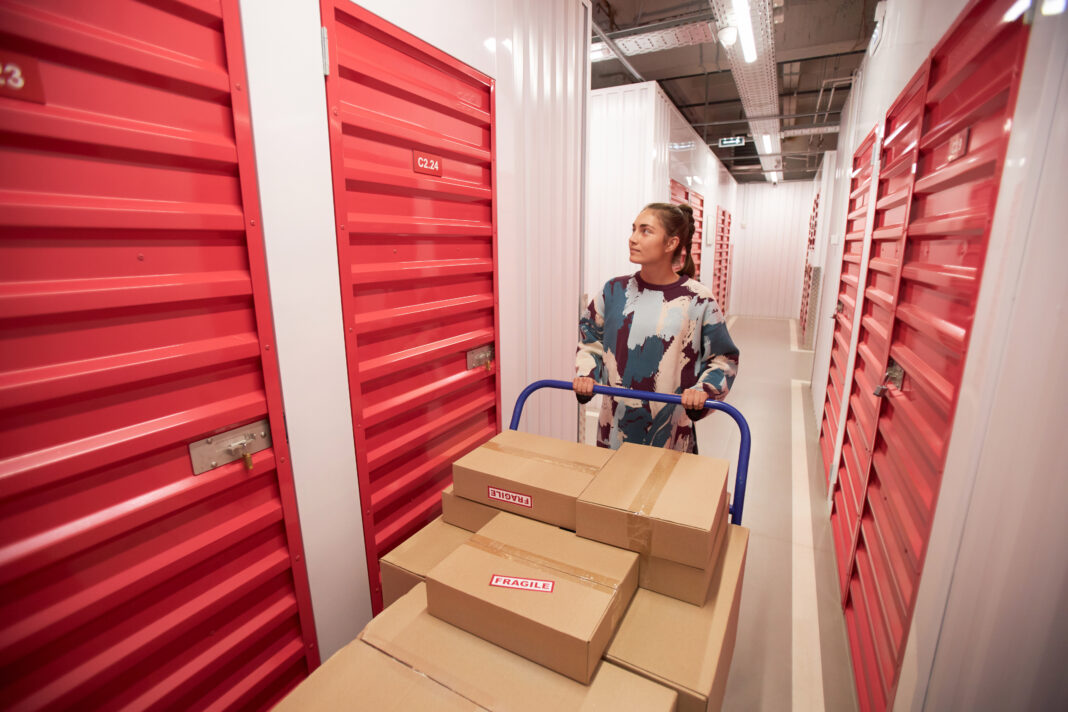


Whether you’re downsizing, relocating, or simply reclaiming space at home, a rented storage unit can be a practical solution. But here’s the thing — tossing your belongings into a unit without proper packing is a recipe for damage, moisture problems, and frustrating surprises down the road. The right packing supplies make all the difference when you’re storing items for months or even years.
Start With the Right Boxes
Not all boxes are created equal. For long-term storage, invest in sturdy, double-walled cardboard boxes rather than grabbing whatever’s available. Standard moving boxes work well for lighter items, but heavier belongings — books, tools, kitchenware — need reinforced options that won’t buckle under pressure.
Plastic storage bins with secure lids are worth the investment for anything susceptible to moisture or pests. Unlike cardboard, plastic creates a sealed environment that keeps humidity and insects out. Use them for clothing, documents, photos, and sentimental keepsakes.
Cushioning and Protective Wrapping
Fragile items need more than just a box. Bubble wrap remains one of the best options for wrapping breakables like glassware, ceramics, and electronics. Wrap each item individually and fill empty box space with packing peanuts or crumpled packing paper to prevent shifting.
For furniture and larger items, moving blankets and furniture pads are essential. They protect surfaces from scratches and absorb minor impacts. Stretch wrap — the plastic film commonly used in moving — is also incredibly useful for keeping drawers closed, bundling items together, and adding an extra layer of protection against dust.
Don’t Overlook Moisture Protection
Long-term storage introduces a real risk of moisture buildup, especially in climates with temperature fluctuations. Silica gel packets placed inside boxes absorb excess moisture and help prevent mold and mildew. For a rented storage unit that isn’t climate-controlled, this step is especially important.
Consider placing a large desiccant bag or dehumidifier unit inside the storage space itself. Cedar blocks are another natural option for protecting clothing and fabric items from both moisture and pests.
Labeling and Organization Supplies
Packing well goes beyond just wrapping things up. Proper labeling saves you enormous time and frustration when you need to retrieve something. Use a permanent marker to clearly label each box on multiple sides — not just the top. Include a brief contents description and note if anything is fragile.
Color-coded labels or stickers can help you organize by room or category at a glance. A written or digital inventory list of everything stored in your unit adds another layer of organization that pays off significantly over time.
Tape, Seals, and Final Touches
Heavy-duty packing tape is non-negotiable. Lightweight tape fails over time, especially in environments with temperature changes. Reinforce every box bottom and top with multiple strips. For extra protection, consider stretch wrap around entire boxes before stacking them.
Mattress bags and wardrobe boxes round out your supply list for specific items. A mattress stored directly on the floor or without a protective bag is vulnerable to stains, moisture, and odors. Wardrobe boxes let you hang clothing upright, preventing wrinkles and keeping garments in wearable condition.
The Bottom Line
Putting in the effort to pack properly before placing items in a rented storage unit pays off considerably. The right supplies — sturdy boxes, cushioning materials, moisture absorbers, and quality tape — protect your belongings so they come out in the same condition they went in. A little preparation upfront saves you from costly replacements and disappointment later.