
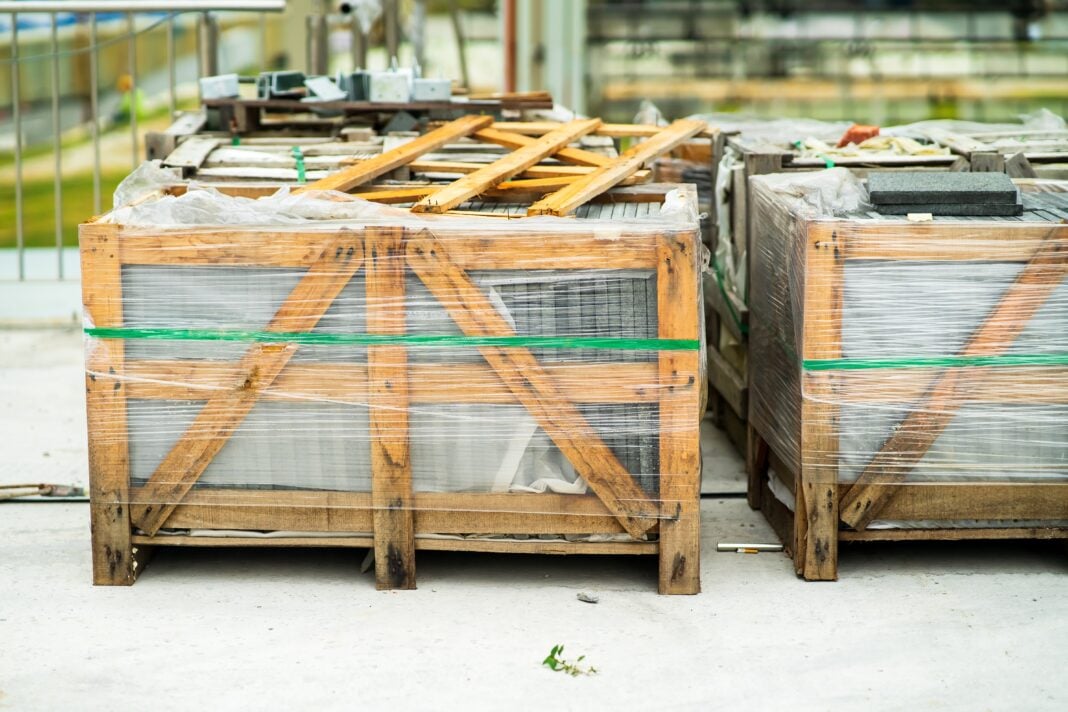


Not all packaging is created equal. While consumer packaging focuses on shelf appeal and branding, industrial packaging is engineered for something entirely different — protection, durability, and efficiency at scale. Whether it’s heavy machinery crossing an ocean or chemical compounds moving through a supply chain, the right packing solutions can mean the difference between a successful delivery and a costly disaster.
So, which industries rely on industrial packaging the most? The answer might surprise you.
What Are Industrial Packaging Solutions?
Industrial packaging refers to materials and systems designed to store, protect, and transport goods in demanding environments. Think heavy-duty crates, bulk containers, stretch wrap, pallet systems, drums, and intermediate bulk containers (IBCs). These aren’t your average cardboard boxes — they’re engineered to withstand weight, pressure, temperature extremes, and rough handling.
Industries That Depend on Industrial Packing Solutions
1. Manufacturing
Manufacturing sits at the top of the list. Factories produce everything from automotive parts to electronic components, and getting those products from point A to point B without damage is non-negotiable. Heavy-duty pallets, custom foam inserts, and reinforced crates are common packing solutions used to protect high-value or fragile manufactured goods during transit and storage.
2. Chemical and Pharmaceutical
Chemicals and pharmaceuticals require specialized packaging that meets strict regulatory standards. Leakage, contamination, or exposure can have serious consequences — for people and the environment. Industrial drums, sealed containers, and hazardous material packaging are essential here. These packing solutions must often be tamper-evident, chemically resistant, and clearly labeled.
3. Food and Beverage
At the industrial level, food and beverage companies deal with massive volumes of product. Bulk packaging — think large bags, IBCs, and insulated containers — ensures that ingredients and finished products stay fresh and uncontaminated through long supply chains. Temperature control and hygiene compliance make this sector’s packaging needs particularly complex.
4. Oil, Gas, and Energy
The oil and gas industry operates in some of the harshest conditions imaginable. Equipment, parts, and materials must be packaged to survive extreme temperatures, rough terrain, and long-distance shipping. Steel crates, corrosion-resistant coatings, and pressure-rated drums are standard packing solutions in this sector.
5. Construction and Mining
Heavy, oversized, and irregularly shaped items define the construction and mining industries. Industrial packaging here focuses on securing materials like steel beams, pipes, aggregates, and machinery components. Custom crating and heavy-duty wrapping solutions prevent damage and make loading and unloading safer and more efficient.
6. Aerospace and Defense
Precision is everything in aerospace and defense. Components are often irreplaceable, extremely sensitive, and extraordinarily expensive. Specialized foam packaging, anti-static materials, and moisture-resistant containers are critical packing solutions for protecting parts that can’t afford to arrive damaged.
Why the Right Packing Solutions Matter
Choosing the wrong industrial packaging doesn’t just risk product damage — it can disrupt entire supply chains, trigger compliance failures, and drive up costs. The right solution accounts for the product’s physical properties, the conditions it will travel through, and the regulatory environment it operates in.
As supply chains grow more complex and global, industries are also prioritizing sustainability in their packing solutions — moving toward reusable, recyclable, and lightweight options that reduce environmental impact without compromising protection.
Final Thoughts
Industrial packaging is the backbone of countless industries, yet it rarely gets the attention it deserves. From chemicals to construction, every sector has unique demands that require purpose-built packing solutions. Understanding those needs is the first step toward building a supply chain that’s resilient, efficient, and cost-effective.