
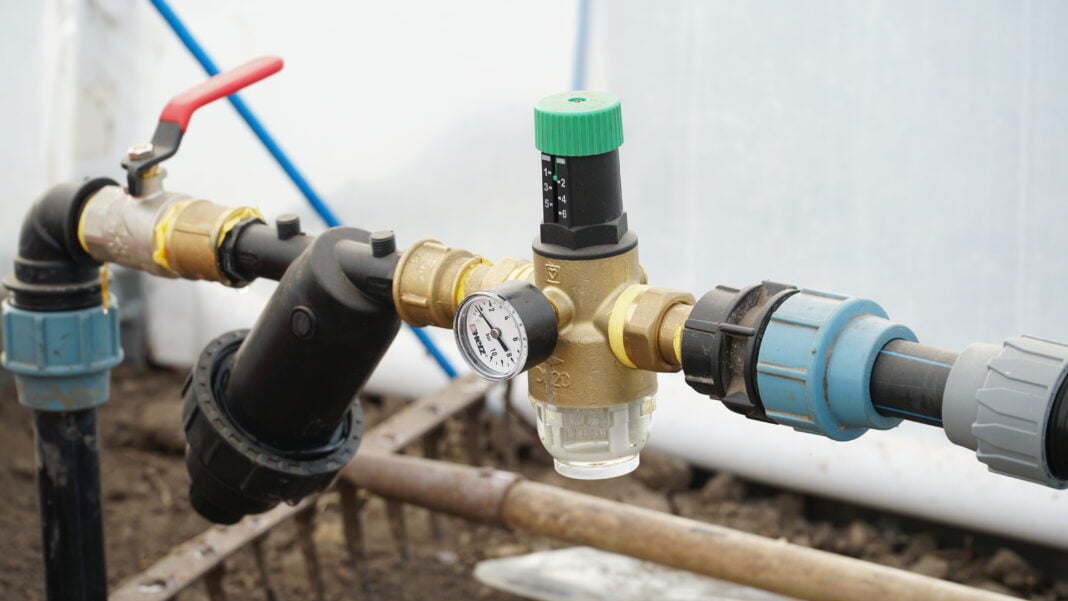


Keeping a commercial property’s landscape healthy and visually appealing requires more than just turning on the sprinklers. Effective irrigation is a balance between science and strategy — and when done right, it saves water, reduces costs, and keeps your grounds looking their best year-round.
Here’s what every property manager, facility director, or landscape contractor should know about commercial irrigation best practices.
Design Your System with Purpose
A well-designed irrigation system starts with a thorough site assessment. Before installing anything, evaluate the property’s soil type, sun exposure, plant varieties, slope, and drainage patterns. Each zone on your property may have different water needs, and your system should reflect that.
Group plants with similar water requirements into the same irrigation zones. This prevents overwatering drought-tolerant plants while underwatering thirsty ones. A properly zoned system gives you precise control and dramatically reduces waste.
Choose the Right Equipment
Not all irrigation equipment is created equal. For commercial applications, smart controllers are a game-changer. These devices adjust watering schedules based on real-time weather data, soil moisture levels, and evapotranspiration rates — meaning your system only runs when the landscape actually needs it.
Drip irrigation is highly effective for shrub beds and planting areas where water efficiency matters most. Rotary nozzles and high-efficiency spray heads offer better coverage and lower precipitation rates compared to traditional spray heads, which helps reduce runoff on hard surfaces.
Water at the Right Time
Timing matters enormously in commercial irrigation. Watering during early morning hours — ideally between 4 a.m. and 7 a.m. — minimizes evaporation and wind interference. It also allows foliage to dry before nightfall, which reduces the risk of fungal disease.
Avoid watering during the heat of the day. You’ll lose a significant portion of water to evaporation before it ever reaches plant roots.
Schedule Seasonally, Not Once a Year
Many commercial properties set an irrigation schedule in the spring and forget about it. That’s a costly mistake. Water needs shift dramatically with the seasons, and your schedule should shift with them.
Increase watering frequency during peak summer heat and scale back during cooler months. In regions with cold winters, proper system winterization — including blowouts and valve shutoffs — is essential to prevent frozen pipes and costly damage.
Perform Regular Maintenance and Audits
Even the best-designed system will underperform without routine maintenance. Inspect heads regularly for clogs, misalignment, and damage. A single broken sprinkler head can waste enormous amounts of water and create dry patches or oversaturated areas.
Conduct an irrigation audit at least once per season. An audit measures distribution uniformity across each zone, identifying areas where the system is performing inefficiently. Many commercial irrigation contractors offer this as a standalone service and it’s well worth the investment.
Monitor, Adjust, and Stay Compliant
Water regulations vary by region and can change seasonally. Stay current on local watering restrictions and make sure your system is compliant. Many municipalities offer rebates for installing smart irrigation technology — take advantage of those programs.
Use water meters and flow sensors to monitor usage and quickly detect leaks. Catching a leak early can prevent significant water loss and infrastructure damage.
The Bottom Line
Commercial landscape irrigation isn’t a set-it-and-forget-it operation. It requires thoughtful design, quality equipment, seasonal adjustments, and ongoing maintenance. When managed well, a smart irrigation strategy protects your landscape investment, conserves a valuable resource, and reflects positively on your property’s overall image.