
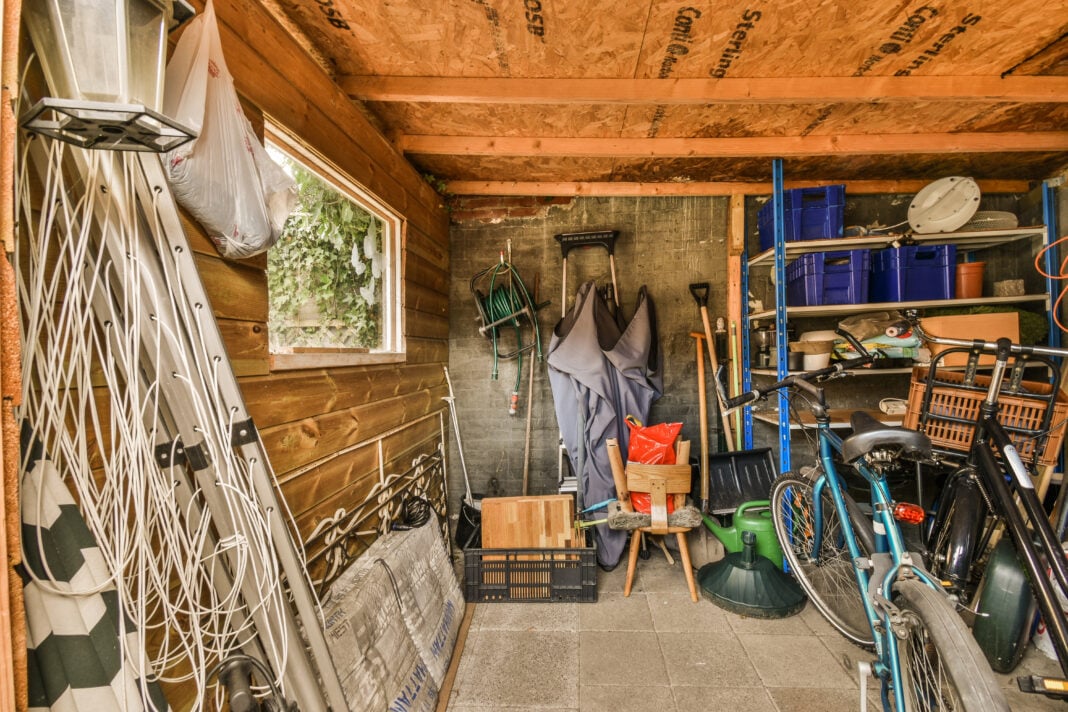


When the chilly bite of winter arrives, your garage may seem like a safe haven to store belongings you’d rather keep out of the house. Tools, electronics, furniture, and even canned food often find themselves relegated to the garage when you need to free up valuable indoor space. But have you ever stopped to consider what freezing temperatures might be doing to your possessions? Cold weather isn’t just uncomfortable for humans — it can be outright destructive for many of the items you store there.
Let’s delve into the types of damage that freezing temperatures can cause and offer practical tips to keep your garage-bound belongings safe.
How Freezing Temperatures Affect Your Stored Items
1. Electronics Don’t Like the Cold
Your old TV, stereo system, or set of power tools with electronic components might seem hardy, but they’re surprisingly vulnerable to the cold. Freezing temperatures can lead to condensation buildup inside electronic devices. This moisture can later freeze, causing internal damage and, in some cases, rendering your items entirely unusable. Furthermore, the cold can cause materials inside electronics, such as plastic and wiring, to become brittle and prone to breakage.
Tip to Protect Electronics:
If you must store electronic devices in your garage, wrap them in protective covers and elevate them off cold cement floors. Better yet, consider moving them to an indoor closet for the winter.
2. Wood Furniture is at Risk
Wood doesn’t fare well when exposed to extreme temperature fluctuations. Freezing temperatures can cause wood to contract, potentially leading to cracks or splits. Additionally, if moisture manages to seep into the wood while it’s frozen, it may expand and warp when temperatures rise again, meaning your once pristine furniture may never look the same.
Tip to Protect Wood Furniture:
Seal or cover wooden items with heavy-duty plastic to prevent direct exposure to cold air and humidity. A temperature-controlled environment is optimal for long-term storage.
3. Liquids and Cans Have Their Limits
Did you know that liquids can expand when they freeze? This is bad news for everything from unopened soda cans to cans of paint. Not only can freezing cause containers to burst, but it can also ruin the contents. Paint, for instance, separates and becomes unusable after freezing. Preventing these disasters requires careful planning.
Tip for Liquid Storage:
As a general rule, avoid storing any liquid in environments that dip below freezing. Move your paint and beverages inside before the cold sets in.
4. Tires and Rubber Components May Harden
Rubber is notably affected by freezing temperatures. Tires stored in an unheated garage can harden when the mercury drops, leading to cracks and diminished usability when they’re eventually installed. Similarly, rubber seals on items like power washers or garden equipment may dry out and break as temperatures fluctuate.
Tip to Protect Tires and Rubber Parts:
Elevate stored tires, keep them covered, and inflate them slightly to maintain their shape during the cold season. For garden tools with rubber seals, ensure they are properly drained before storage.
5. Canned and Preserved Foods Aren’t Always Safe
If you’ve ever thought your garage would make a decent pantry extension, it’s time to rethink that strategy. Many food cans and jars are not designed to withstand the expansion that happens when the contents freeze. This could result in broken seals, bulging cans, or spoiled food.
Tip for Food Safety:
Always store canned goods and preserves at recommended temperatures, which usually hover well above freezing. Either bring them inside or invest in a small, insulated storage cabinet for your garage.
Conclusion
Your garage is a valuable space, but when freezing temperatures roll in, it could turn into a danger zone for your belongings. Electronics, furniture, liquids, and even food items are all at risk of damage when exposed to extreme cold. By taking a few precautions — such as insulating your garage, relocating sensitive items, or using protective covers — you can prevent costly replacements and keep your items in excellent condition.
In the end, a little preparedness goes a long way. Don’t let the drop in temperature wreak havoc on your possessions. Whether it’s your tools, your furniture, or your trusty set of winter tires, safeguarding your gear this season ensures you’ll continue enjoying them for years to come. Stay proactive, and your stuff will thank you!