


Fences have been used for centuries to define boundaries, improve security, and add structure to outdoor spaces. Today, they are just as important, serving both practical and aesthetic purposes for homes, farms, and commercial properties. Whether you’re protecting your land, enhancing privacy, or improving kerb appeal, choosing the right fencing solution matters. Professional providers like G&G Fencing help property owners select fencing that balances durability, function, and visual appeal, ensuring the fence works well for years to come.
At the heart of every strong and reliable fence are well-installed Fence posts. These posts provide the foundation that supports the entire structure, keeping panels aligned and stable in all weather conditions. No matter the fence type, quality posts and proper installation are essential to prevent leaning, sagging, or long-term damage. Once this foundation is in place, the choice of fencing style becomes the next key decision.
Wooden Fencing
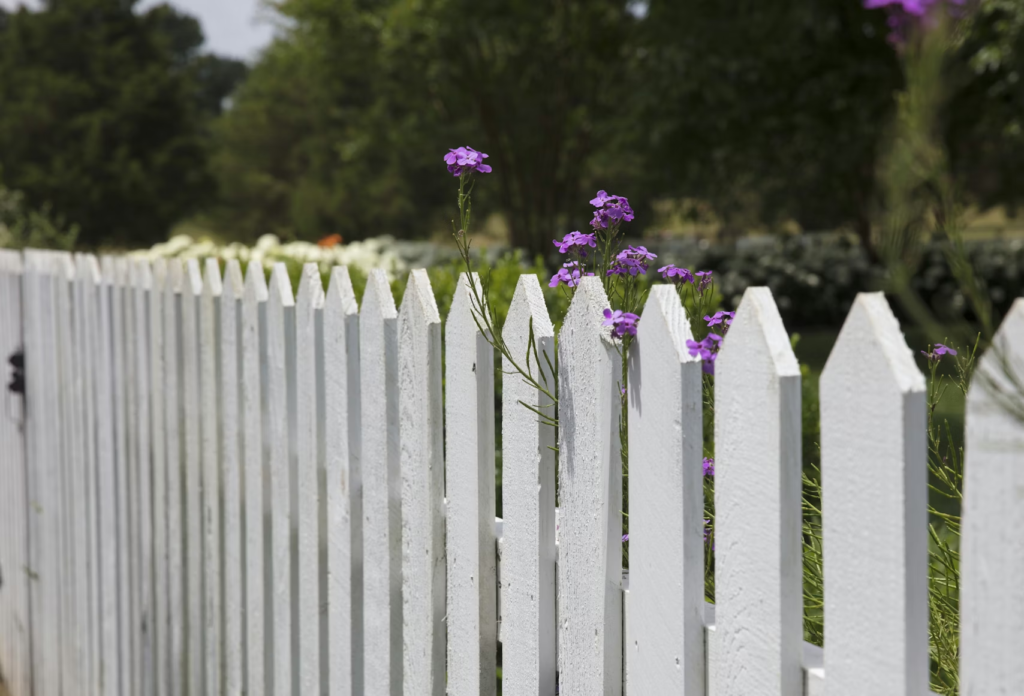
Wooden fencing remains one of the most popular choices due to its natural appearance and versatility. It suits a wide range of properties, from traditional gardens to rural landscapes. Options such as closeboard, feather edge, and picket fencing allow homeowners to choose between privacy, decoration, or a mix of both.
Wood fences are relatively easy to customise with paint or stain, making them ideal for those who want a personalised look. However, they do require regular maintenance to protect against moisture, rot, and insect damage. With proper care, wooden fences can last many years while maintaining their charm.
Metal Fencing
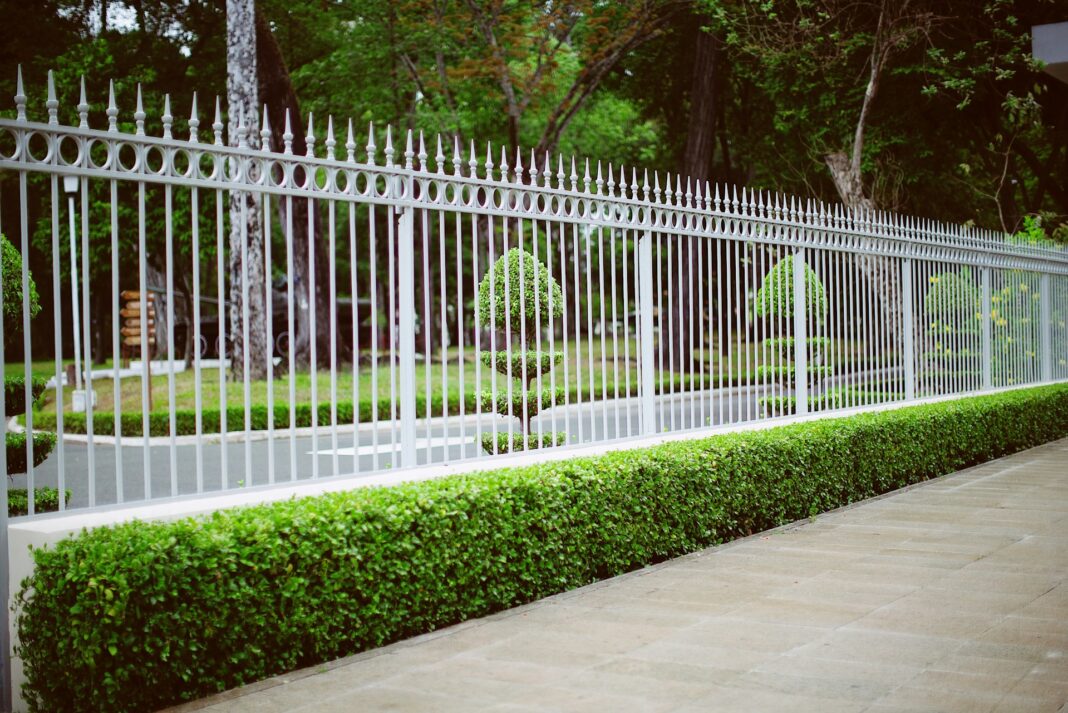
Metal fencing is valued for its strength and longevity. Common types include steel, aluminium, and wrought iron fences. These are often chosen for security-focused areas such as commercial properties, schools, and public spaces, but they are also popular in residential settings where a decorative yet robust option is needed.
Unlike wood, metal fencing typically requires less maintenance, especially when treated with protective coatings. While it may not offer as much privacy on its own, it excels at boundary definition and security, often paired with gates or hedging for added coverage.
Vinyl and PVC Fencing
Vinyl and PVC fencing have grown in popularity thanks to their low-maintenance nature. These fences resist moisture, rot, and pests, making them suitable for areas with harsh or unpredictable weather. They are available in a variety of styles, including designs that mimic the look of wood without the upkeep.
Although the initial cost can be higher than traditional wood fencing, the long-term savings on maintenance often make vinyl a cost-effective choice. It’s especially popular with homeowners who want a clean, modern appearance that lasts.
Chain Link Fencing
Chain link fencing is a practical and budget-friendly option commonly used for large areas, such as sports fields, industrial sites, and gardens where visibility is important. While it doesn’t offer much privacy, it provides clear boundary definition and security without blocking light or views.
This type of fencing is quick to install and highly durable, making it ideal for functional spaces rather than decorative ones. Privacy slats or climbing plants can be added to improve appearance if needed.
Agricultural and Post-and-Rail Fencing
For rural and agricultural settings, post-and-rail fencing is a classic choice. It is commonly used for farms, paddocks, and large properties to contain livestock while maintaining an open, natural look. This fencing style is simple, effective, and blends well with countryside surroundings.
Durability depends heavily on the quality of the posts and materials used, reinforcing the importance of proper installation from the start.
Choosing the Right Fence
Selecting the right fence depends on several factors, including purpose, budget, maintenance preferences, and visual style. Whether the goal is privacy, security, decoration, or boundary marking, understanding the different fence types makes the decision easier.
A well-chosen fence not only protects a property but also enhances its overall value and appearance, making it a worthwhile long-term investment.