
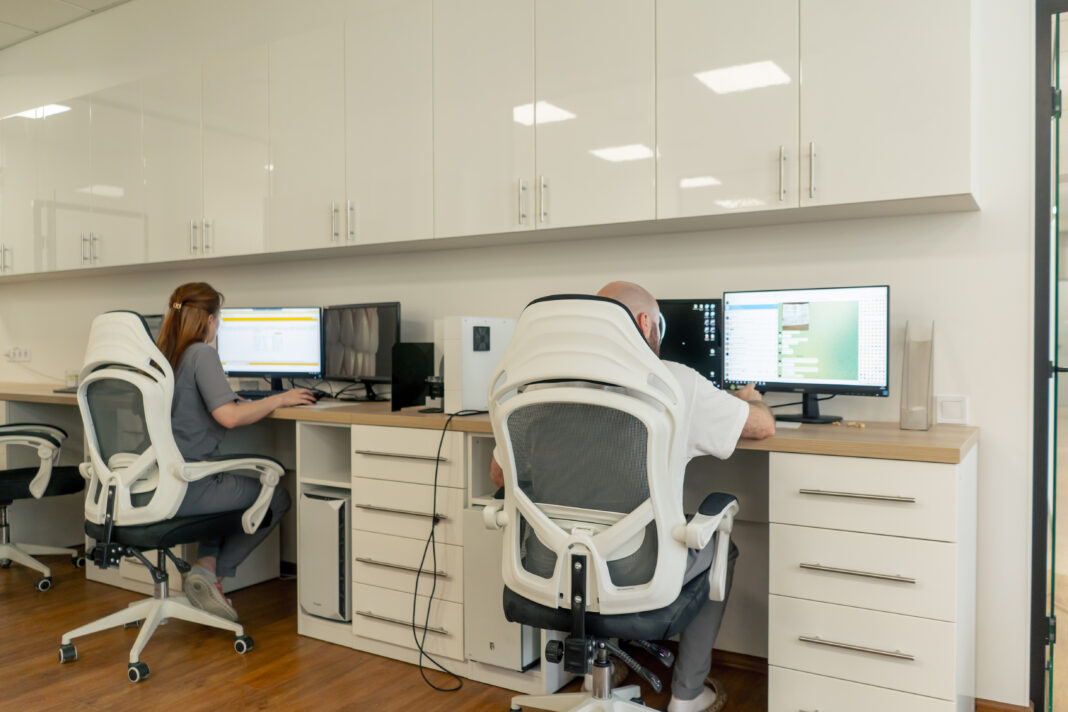


Conducting a risk assessment in your dental practice is a critical step in ensuring that your staff, patients, equipment, and business processes are protected from potential hazards. A well-conducted assessment not only mitigates risks but also reinforces trust, compliance, and safety. In this article, we’ll guide you through essential steps to perform an effective risk assessment tailored to your dental practice.
By systematically identifying and addressing areas of potential vulnerability, you can feel confident that your practice operates smoothly, safeguards everyone involved, and meets industry standards.
Step 1: Understand What a Risk Assessment Entails
A risk assessment is a structured process designed to identify, analyze, and respond to potential safety and operational risks within your dental practice. These risks can range from clinical hazards, such as equipment malfunctions, to administrative issues like non-compliance with regulations.
Before beginning, it’s important to note that assessing risk isn’t a one-time activity. It’s an ongoing process that adapts to changes in your environment, staffing, or industry regulations.
Key areas to focus on during an assessment include:
- Patient safety: Ensuring all procedures are performed with minimal risk.
- Employee protection: Addressing hazards for dental assistants, hygienists, and office staff.
- Equipment safety: Checking maintenance for all tools and machinery used in treatments.
Step 2: Identify Potential Risks
The foundation of a thorough risk assessment begins with identifying all possible risks in your dental practice. This step involves a detailed walkthrough and reviewing existing processes.
Common examples of risks in a dental setting include:
- Infection control: Exposure to harmful bacteria and viruses for staff and patients is an ongoing concern.
- Chemical hazards: Cleaning agents and sterilization chemicals can pose health risks if mishandled.
- Physical injuries: Ergonomic challenges for dental professionals or slips and falls within the office.
- Equipment malfunction: Outdated tools or technology may jeopardize safety and performance.
- Data security risks: Compromising patient records due to cyberattacks or insufficient privacy measures.
Involve your team during this step. Ask for feedback on issues they’ve noticed and maintain an open dialogue to uncover hidden risks you might overlook.
Step 3: Evaluate and Prioritize Risks
Once you’ve identified potential risks, evaluate them based on three factors:
- Likelihood of occurrence: Assess how often a specific risk might materialize.
- Severity of impact: Measure the possible consequences in case the risk occurs.
- Level of exposure: Consider how often staff or patients are exposed to a particular hazard.
Use simple tools like a risk matrix to classify risks as low, medium, or high priority. Focusing on high-priority risks first ensures that you address the most urgent threats to safety and operations.
Step 4: Implement Control Measures and Solutions
Risk control is about taking actionable steps to reduce the likelihood or impact of hazards. Once you’ve evaluated the risks, implement solutions that appropriately address them.
Examples of control measures in a dental practice include:
- Standard Operating Procedures (SOPs): Have clear protocols for infection control, equipment maintenance, and patient privacy.
- Training and education: Regularly train your team on best practices for safety, technology usage, and emergency response.
- Regular equipment checks: Ensure all dental tools are inspected, calibrated, and maintained.
- Adherence to legal compliance: Stay informed about local and national regulations related to occupational safety and health standards in dental practices.
Remember, some controls may require financial investment, such as updating outdated equipment or enhancing your cybersecurity infrastructure. Weigh the cost of investments against the risk of potential incidents.
Step 5: Review and Update Regularly
A risk assessment is not a “set it and forget it” process. As your dental practice grows, adopts new procedures, and encounters shifts in staff or regulations, the risks you face will change too. Schedule periodic reviews of your risk assessment—at least annually or when major changes occur.
Take these steps during reviews:
- Recheck prior risks: Ensure previous control measures are working effectively.
- Identify new risks: Be proactive in spotting risks tied to advancements, including new equipment or software.
- Incorporate feedback: Open regular discussions with staff to fine-tune policies and solutions.
Final Thoughts
Conducting a thorough risk assessment in your dental practice is an indispensable part of operating a safe, trustworthy, and compliant business. The time and effort invested in this process demonstrate your commitment to patient care, team safety, and operational excellence.
By identifying potential risks, prioritizing and addressing them, and reviewing routinely, you position your dental practice to thrive in a well-protected environment where safety and compliance take center stage.