
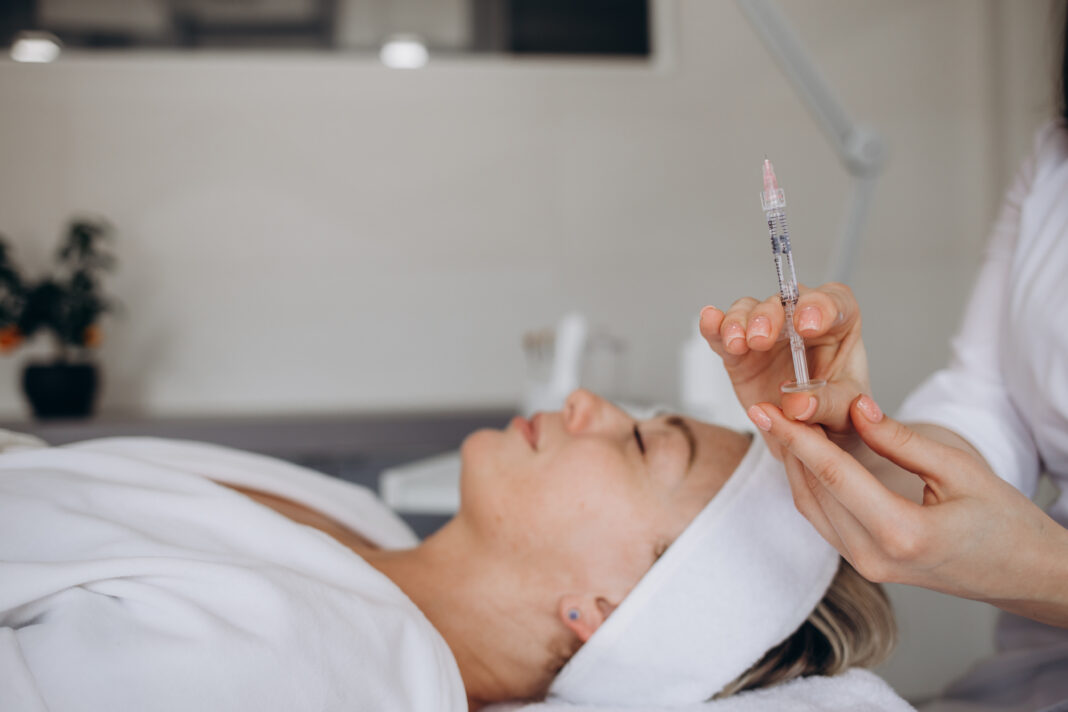


Peptide therapy has rapidly gained popularity for its ability to improve energy, sleep, recovery, fat loss, cognitive performance, and cellular repair. But one of the most common questions patients have is: How long will it take before I feel the effects? While peptides work with the body’s natural processes, their timelines vary depending on the peptide, your biology, and your health goals.
Understanding How Peptides Work in the Body
Peptides are short chains of amino acids that act as signaling molecules. They bind to receptors on cells and tell those cells what to do—whether that’s producing more growth hormone, improving tissue repair, enhancing metabolism, balancing inflammation, or supporting brain chemistry.
Because peptides initiate natural responses rather than forcing a synthetic reaction, they produce benefits that feel gradual, sustainable, and cumulative.
General Timeline of Peptide Effects
The onset of results depends heavily on the type of peptide being used. Below are typical timelines for different categories of peptides:
1. Energy, Mood, and Cognitive Peptides (e.g., Selank, Semax)
Many people report improvements within a few days. These peptides work on neurotransmitter pathways and can enhance focus, calmness, and motivation quickly.
2. Sleep and Recovery Peptides (e.g., DSIP, Epitalon)
Sleep improvements often begin within 1–2 weeks. Recovery-related peptides reduce soreness, regulate cortisol, and boost nighttime repair gradually over several weeks.
3. Muscle-Building and Growth Hormone Peptides (e.g., CJC-1295, Ipamorelin)
Noticeable changes—better sleep, improved recovery, increased muscle fullness—usually start around week 3–4, with full benefits at 8–12 weeks as hormone levels stabilize.
4. Weight-Loss and Metabolic Peptides (e.g., Tesofensine, AOD-9604)
Most people see appetite regulation, reduced cravings, and steady fat loss within 4–6 weeks. These peptides influence metabolism and fat oxidation, which take time to build momentum.
5. Anti-Aging and Longevity Peptides (e.g., Epitalon, FOXO4-DRI)
Full effects take longer—often 90 days or more—because these peptides work at the cellular level to support DNA repair, circadian rhythm, and immune modulation.
Factors That Influence Your Timeline
Not everyone responds at the same pace. Factors that can affect results include:
- Your baseline hormone levels
- Age and metabolic rate
- Stress, sleep, and lifestyle habits
- Nutrition and exercise routines
- Peptide dosage and frequency
Peptide therapy isn’t a “quick fix”—it’s a biological optimization tool. Consistency is the key to unlocking results.
When Most People See Results
Across all peptide categories, most patients begin noticing positive changes within 2–6 weeks, with deeper improvements continuing up to 12–16 weeks. Peptides build on themselves—meaning the longer they’re used, the more dramatic and lasting the benefits become.
The Bottom Line
Peptide therapy works by supporting your body’s natural processes, which means results develop gradually and safely. With consistent use, most people experience meaningful improvements within the first month and peak benefits within three months. Whether your goal is improved performance, better sleep, fat loss, or cellular rejuvenation, peptides offer a powerful pathway to long-term wellness.