
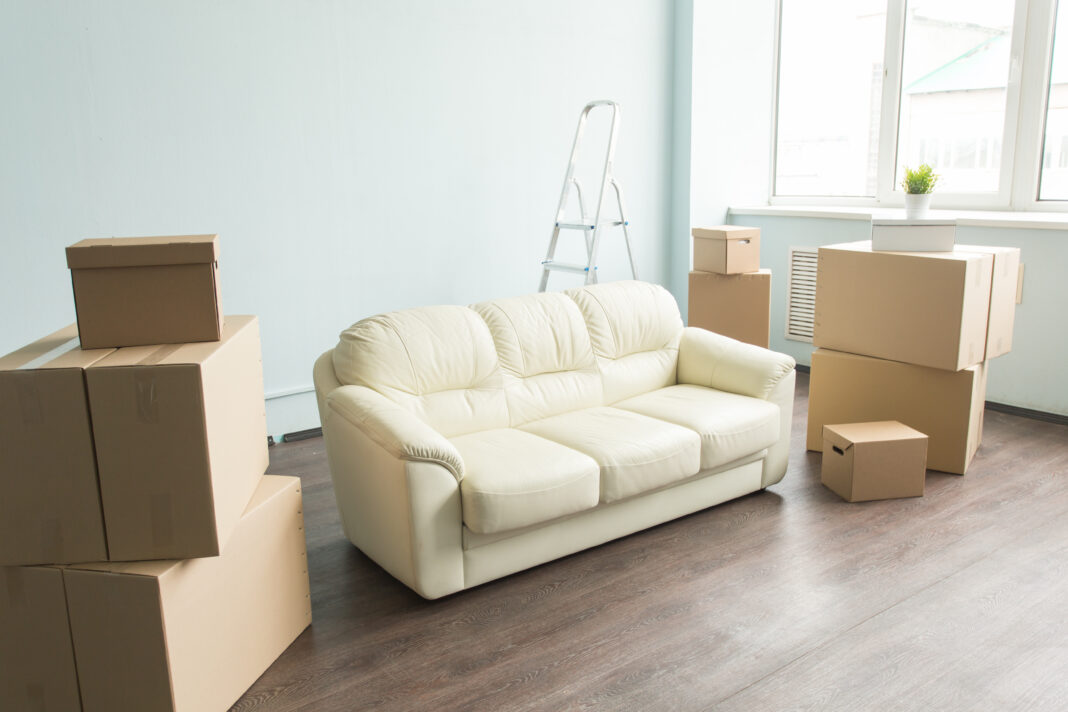


Putting furniture into long-term storage isn’t as simple as moving it into a unit and locking the door. Without the right preparation, items can warp, crack, grow mold, or deteriorate far faster than expected. Whether you’re storing pieces during a move, downsizing, remodeling, or protecting heirlooms, thoughtful preparation ensures your furniture stays in excellent condition for months—or even years. If you want professional help transporting or storing items safely, consider using trusted packing and moving services that specialize in long-term protection.
Clean Everything Thoroughly
Before anything goes into storage, every piece should be cleaned. Dust, oils, and food particles can attract pests, cause odors, or lead to mold over time. Clean wood with a gentle wood cleaner, upholstered items with fabric-safe solutions, and leather pieces with appropriate conditioners. This step prevents grime from settling deeper into surfaces while items sit unused.
Disassemble When Possible
Disassembling furniture not only saves space but also protects fragile parts from stress or damage. Remove table legs, take apart bed frames, detach cushions, and unscrew removable hardware. Store screws and small components in labeled bags taped securely to the corresponding furniture piece so reassembly is easy later. This reduces strain during transport and eliminates pressure points in storage.
Protect Wood and Leather
Climate swings inside storage units can cause wood to expand, contract, or crack. Leather can dry out or warp. After cleaning, apply furniture polish or oil to wood pieces and a leather conditioner to leather furniture. Proper conditioning helps preserve moisture levels and prevents premature aging or deterioration.
Use Protective Wrapping
Padding is essential for long-term storage. Wrap furniture in breathable materials like moving blankets, cotton sheets, or padded covers. Avoid plastic wrap directly on wood or fabric for long-term use—plastic traps moisture and can cause mold or discoloration. Plastic can be used for short-term transport but should not remain on furniture for months at a time. For extra protection, wrap fragile areas like corners and edges with foam or bubble wrap.
Elevate Everything Off the Floor
Even in a high-quality storage facility, it’s smart to avoid direct floor contact. Spills, leaks, or unexpected humidity changes are always possible. Place furniture on pallets, platforms, or blocks to increase airflow and reduce the risk of moisture damage.
Choose the Right Environment
Temperature and humidity matter. Wood, leather, and upholstery all store best in consistent, climate-controlled spaces. If you’re storing valuable or sentimental furniture, climate control is worth the investment. It significantly reduces the risk of cracking, warping, mold growth, and fabric deterioration.
Arrange Furniture Strategically
Place larger items in the back of the unit and lighter, less fragile items in front. Avoid stacking heavy pieces on top of one another. Leave small gaps between furniture and walls to allow airflow. Well-planned layouts reduce the chance of accidental damage and make the unit easier to access later.
Preparing furniture properly before placing it in storage protects its quality and extends its lifespan. With careful cleaning, disassembly, conditioning, protection, and organization, your furniture will remain in excellent condition until you’re ready to use it again. For a smoother, more secure process, you can rely on experienced packing and moving professionals who ensure your items are stored safely for the long haul.