
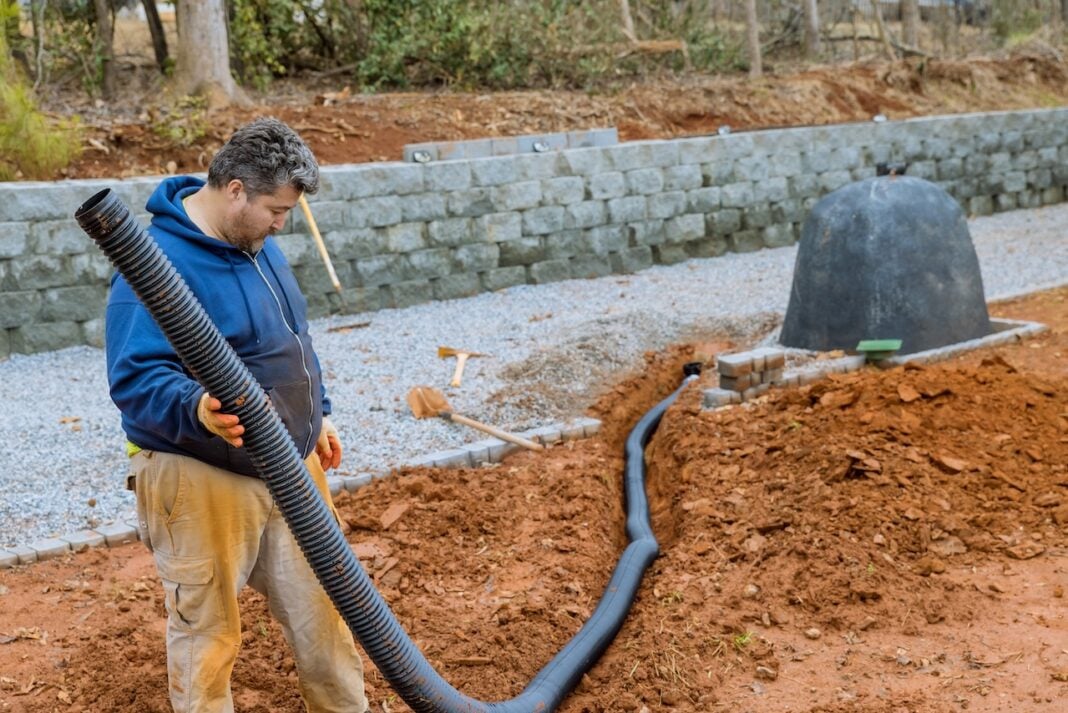


One of the most critical yet often overlooked aspects of maintaining commercial properties is the drainage system. Businesses may face a dilemma when deciding between septic systems and municipal sewers for managing wastewater. Each option carries distinct advantages and challenges, making it essential to carefully assess which system best suits your property’s size, location, budget, and long-term needs.
Below, we’ll explore key factors to help commercial property owners navigate this decision.
The Basics: Understanding Septic and Sewer Systems
Before diving into which system is better for your commercial property, it’s helpful to understand how each works.
- Septic Systems: These are self-contained units installed on-site. Wastewater flows into a large underground septic tank, where it separates into solids, liquids, and scum. The water is further treated and filtered as it seeps into a drain field.
- Sewer Systems: Municipal sewer systems are large-scale networks designed to transport wastewater to centralized treatment plants. Connecting to a sewer utility involves tapping into the existing infrastructure.
Choosing the right option hinges on numerous variables, including environmental regulations, property location, and the projected scale of water usage.
Factors to Consider for Commercial Properties
1. Location and Accessibility
Septic systems are ideal for businesses located in rural or remote areas where municipal sewer connections are unavailable. If access to city infrastructure isn’t feasible, installing a septic system is often your only choice.
In urban or suburban areas, sewer systems are typically more practical since they are already integrated into the existing municipal grid. Commercial properties near city limits or in growing development zones need to verify if sewer access is already planned or available before making a decision.
2. Long-Term Costs
Cost implications should always take precedence when choosing between a septic system and a sewer connection.
- Septic Systems: These often require higher upfront installation expenses because of the need to design and build an on-site drainage field. However, once in place, they typically incur lower recurring costs, as municipal utility fees don’t apply.
- Sewer Systems: Commercial properties connected to municipal sewer lines usually face minimal installation costs but pay wastewater treatment fees over the long term. These costs are predictable and convenient for budgeting, making sewer systems a popular option if they are readily accessible.
Both systems demand maintenance, but septic tanks must be pumped periodically to prevent overflow, while sewer systems may charge proportional usage fees tied to your business activity level.
3. Environmental Impact
Businesses may also want to consider the environmental impact of their drainage systems.
- Septic systems allow natural filtration as wastewater seeps through the surrounding soil. A properly maintained system can be eco-friendly, but neglecting regular maintenance may result in contamination of groundwater.
- Sewer systems rely on centralized treatment plants, which are efficient but come with their own set of environmental trade-offs, including energy usage and potential overload during heavy rainfall.
If your commercial property adopts green initiatives, a septic system may be appealing due to its localized, low-energy treatment process.
When to Choose a Septic System for Commercial Properties
A septic system might be the best choice if:
- Your property is located far from municipal sewer lines, requiring extensive infrastructure for connection.
- Water usage is predictable and manageable, with little risk of overloading a self-contained system.
- You value self-sustained solutions and have the resources to keep up with ongoing maintenance.
When to Opt for a Sewer System for Commercial Properties
A sewer system is more suitable when:
- Your commercial property is located in an urban or suburban area with easy access to municipal connections.
- Predictable monthly utility fees are preferable for budgeting.
- You want to avoid concerns about maintaining a private drainage system and rely on city services.
Conclusion
Choosing between a septic and a sewer system is a significant decision for any commercial property. Your choice will directly impact your operating costs, environmental footprint, and overall convenience.