
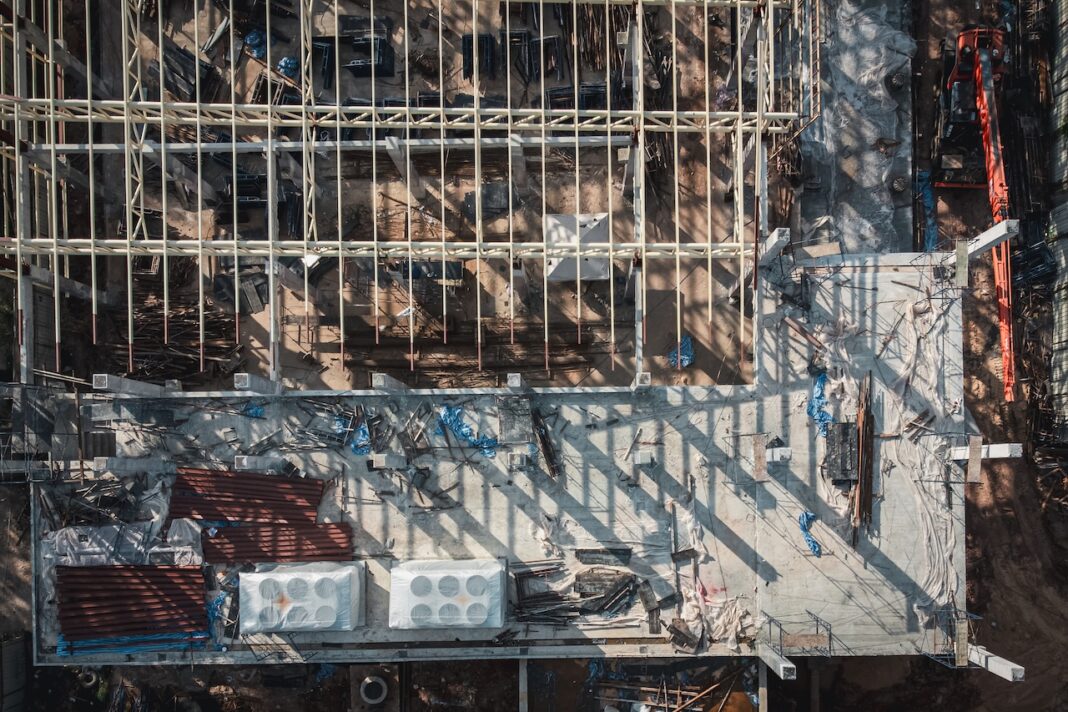


Embarking on the construction of a medical office is an exciting prospect, but it also comes with unique challenges and demands. A healthcare facility requires precision, careful planning, and compliance with various regulations. Before breaking ground, it’s essential to be well-prepared and informed to ensure a smooth process and a successful outcome.
1. Understand Industry-Specific Requirements
Medical offices are not standard commercial spaces. They must meet industry-specific requirements, including HIPAA compliance, infection control measures, and specialized design features. For instance, patient privacy should guide the layout, ensuring exam rooms, waiting areas, and administrative spaces offer the appropriate balance between accessibility and confidentiality. Additionally, proper ventilation, lighting, and sanitation systems are critical for creating a safe and functional environment.
Consult with professionals experienced in healthcare construction to ensure your project aligns with medical regulations and industry standards.
2. Plan Your Budget and Timeline Thoroughly
Budgeting and scheduling are vital for any construction project, but they take on additional importance for medical offices. Unforeseen costs and delays could disrupt operations or delay the launch of your practice. Create a comprehensive budget that includes all aspects—design, construction, permits, technology installations, and equipment purchases.
Similarly, work closely with your project manager to establish a realistic timeline. Be mindful of procurement and supply chain challenges, as medical-grade fixtures and technology often require specific lead times.
3. Choose the Right Location
The location of your medical office plays a crucial role in its long-term success. Proximity to hospitals, pharmacies, or other healthcare providers can improve convenience and increase referrals. Additionally, consider the demographics of the area. A location easily accessible to your target patient base should be a top priority.
Zoning regulations also come into play. Ensure your selected site is compliant with healthcare zoning ordinances, and conduct a thorough feasibility study before making a commitment.
4. Focus on Patient Experience in Design
Patient experience is at the heart of a successful medical practice, and your office’s design should reflect this. Comfortable waiting areas, clear navigation through the building, and a welcoming color scheme help improve the overall experience of your patients. Select flooring and fixtures that are both aesthetically pleasing and long-lasting, as well as easy to clean for infection control.
A well-designed facility not only meets patients’ needs but also enhances staff efficiency by providing ergonomic work environments and reducing unnecessary movement.
5. Incorporate Modern Technology
Integrating cutting-edge technology is more important than ever in medical office construction. From telemedicine setups to advanced imaging systems, technology can support both operational efficiency and enhanced patient care. Infrastructure such as Wi-Fi, electronic medical record systems, and patient check-in kiosks should be included in your planning stages.
Ensure your new facility can accommodate future advancements in technology to maintain its relevance over time.
6. Obtain All Necessary Permits and Approvals
The construction of medical offices involves navigating complex permitting processes. Local building codes, environmental approvals, and healthcare-specific certifications must all be secured before moving forward. Working with a contractor familiar with these processes can save time and prevent costly legal issues.
Coordination with city planners and other regulatory bodies ensures your project complies with all necessary laws and standards.
Final Thoughts
Building a medical office involves much more than bricks and mortar—it requires careful attention to design, regulations, and future-ready strategies to ensure it operates efficiently. By staying informed and working with experienced professionals, you can create a space that serves your patients and staff for years to come.
Take the time to plan meticulously, and your medical office construction project will lay the foundation for a thriving healthcare practice.