
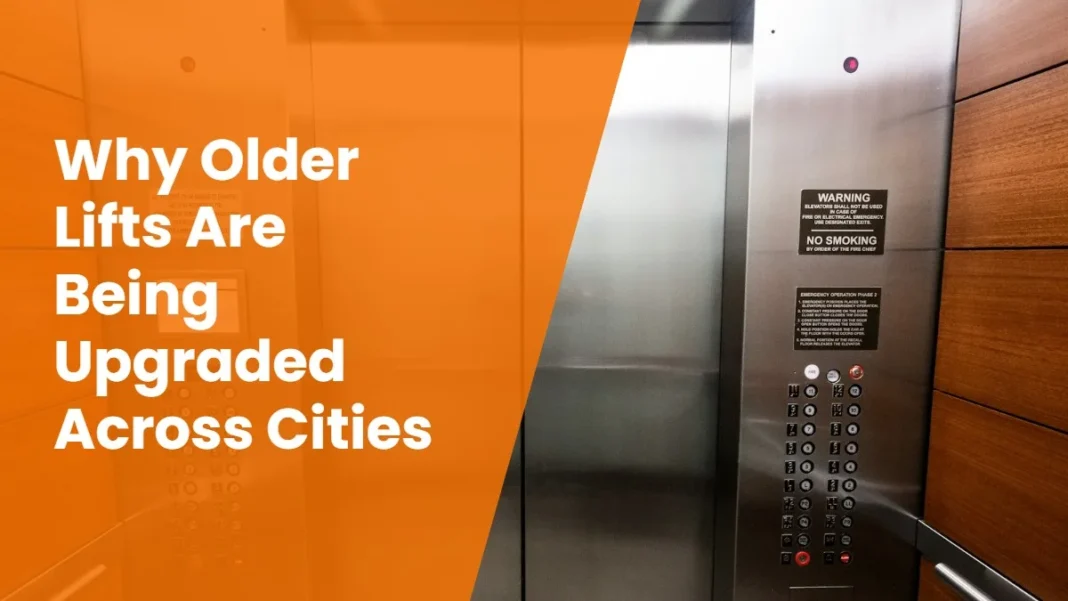


Lifts installed decades ago are reaching the end of their working lives, and building owners are spending more to replace and upgrade them. Industry research published this year puts the global modernisation market above $15 billion, with steady growth expected to continue.
|
What to know
|
A Growing Market
ResearchAndMarkets’ 2026 report puts the global elevator modernisation market at $15.22 billion this year, up 7.7% from $14.13 billion in 2025. The research forecasts the market reaching $20.21 billion by 2030, reflecting a long period of steady demand.
The figures were highlighted in an October 2026 industry briefing, which noted that the queue of buildings waiting for upgrades is one of the main stories in the sector.
For building owners, the numbers confirm what many already see on site: ageing lifts need attention, and contractors are busy.
Why Modernisation Is the Growth Area
Consultancy Roland Berger described modernisation in January 2026 as the clear growth driver in the elevator industry, outpacing both new equipment and maintenance as the installed base ages and customer needs change.
Many lifts in Europe and North America were installed in the second half of the twentieth century. As components wear out, spare parts become harder to source and safety standards evolve, owners face a choice between repeated repairs and a planned upgrade.
Modernisation can range from replacing controllers and drives to full replacement of cars, doors and machinery.
Regulations also play a part. Newer safety and accessibility standards can require changes to older installations, prompting owners to plan upgrades even when equipment still functions.
Upgrades Should Start With Passenger Flow
A modernisation project is a rare chance to reconsider how a building’s lifts perform. Occupancy patterns may have changed since the original installation, with more people, different peak times or new uses such as residential conversions of office buildings.
Studying how people move through the building helps decide whether the existing number of lifts, their speed and their capacity still suit the way the building is used. This article on why passenger flow belongs in early design decisions explains why these questions are best addressed before equipment is chosen.
Getting this right can avoid a costly upgrade that leaves long waiting times unresolved.
Residential conversions are a particularly clear example. An office building designed for morning and evening peaks can see very different patterns once people live there, with traffic spread through the day and more journeys involving deliveries and visitors.
Modelling Before Replacing
Simulation tools allow engineers to test different options before committing to a design. They can compare the effect of faster lifts, larger cars, destination control or additional shafts on waiting and journey times.
For existing buildings, specialist lift modernisation studies assess how current equipment performs and how proposed upgrades would change service levels.
This evidence also helps owners explain decisions to tenants, investors and planning authorities.
What Good Software Needs to Model
Not all modelling is equal. Useful software reflects real arrival patterns, realistic passenger behaviour and the specific features of the equipment being considered.
This article on what elevator software actually needs to model sets out the factors that matter most, from peak traffic patterns to door times and dispatching logic.
Engineers should be able to explain the assumptions behind any study so owners understand its limits.
Manufacturers Are Responding
Major manufacturers have introduced new modernisation packages to meet demand. Otis launched its Gen3 modernisation solutions in Europe, the Middle East and Africa in June 2026, allowing owners to choose the scope and pace of upgrades.
Other manufacturers offer similar modular approaches, letting owners replace components in stages rather than all at once. That flexibility helps spread costs and reduce disruption for occupants.
Planning a Modernisation Project
For owners, planning starts with an assessment of the current installation, including age, condition, compliance with current standards and how well it serves occupants. Independent advice can help compare options from different suppliers.
Timing matters too. With demand high, lead times for equipment and installation can be long, so starting early helps avoid rushed decisions.
Communication with occupants is important, since lifts may be out of service for periods during the work.
Owners should also consider energy use. Modern drives and controllers can reduce electricity consumption, which helps both running costs and sustainability targets.
A Market Set to Keep Growing
With the global modernisation market at $15.22 billion in 2026 and forecast to exceed $20 billion by 2030, upgrades to existing lifts will remain a major focus for building owners. The most successful projects will be those that start with a clear understanding of how people use the building today.
Careful planning and evidence-based design help ensure that a new installation serves occupants well for decades to come.