
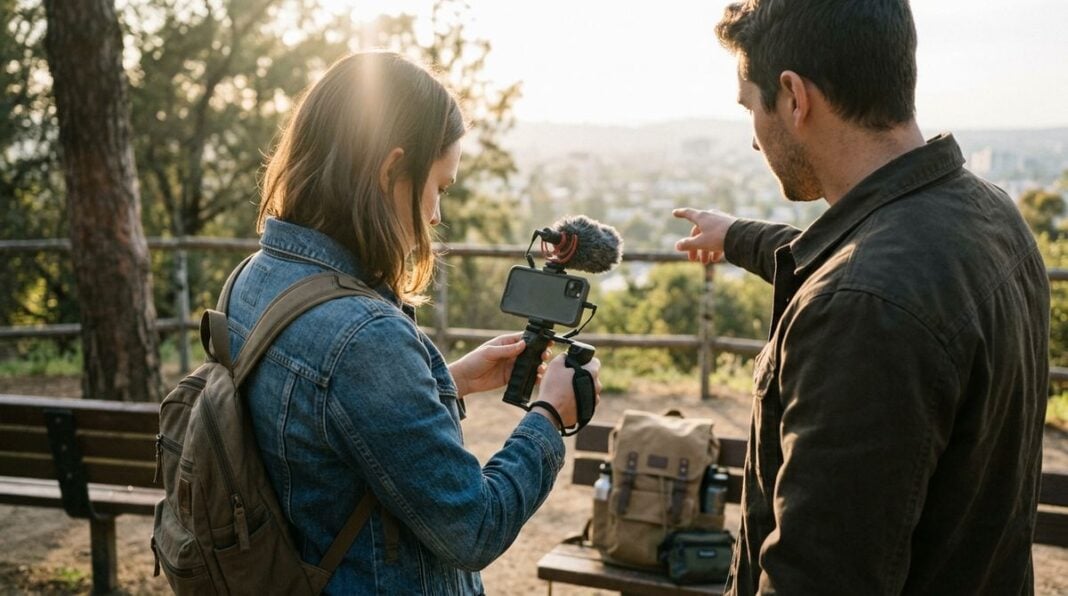


The stories we share within our families form the foundation of our collective identity. Whether they are tales of ancestors navigating challenges, humorous anecdotes from shared vacations, or simply the daily rhythms that define our current lives, these narratives provide a sense of belonging and continuity. In a busy world, the act of purposefully capturing these moments can feel like a daunting task, yet the long-term benefits of preserving this shared history are immense. By taking a proactive approach to storytelling, families can strengthen their bonds and ensure that meaningful experiences are not lost to the passage of time.
Understanding the Value of Shared Narratives
Every family possesses a unique collection of experiences that define who they are. These narratives do more than just entertain; they offer context to our own lives and help us understand the values passed down through generations. When we share stories, we are transmitting more than mere facts; we are passing on the emotional lessons, triumphs, and even the difficulties that have shaped our family. This process fosters empathy, as members learn to appreciate the different perspectives and experiences held by others, regardless of their generation. It turns history into a living, breathing resource that can guide us in our present decisions and aspirations.
Recognizing the significance of these stories is the first step toward effective preservation. It requires a shift in mindset from viewing family events as fleeting occurrences to seeing them as essential pieces of a larger story. When families begin to prioritize this shared history, they often find that the process itself creates new memories and brings members closer together. It is about fostering an environment where curiosity is encouraged and where everyone feels comfortable contributing their own piece of the puzzle, ensuring that the legacy remains vibrant and inclusive for all involved.
Choosing the Best Format for Your Stories
Determining how to best capture and preserve your family history depends on the preferences and talents of your members. Some families may find that writing detailed journals or newsletters is the most effective approach, allowing for thoughtful reflection and precise description. Others may prefer more visual or auditory formats, such as audio recordings, photo albums, or even short video documentaries. When deciding on the format, consider what will be most engaging for the people who will actually interact with these memories over time.
For those interested in exploring digital storytelling, there are many resources that provide inspiration for creating compelling content. For instance, looking for creative ideas on platforms like clipchamp can help you discover new ways to present your family videos and narratives in an informative and engaging manner. The key is to select a medium that feels natural for your family’s dynamic. If everyone enjoys gathering around a screen, digital compilations might be ideal. If your family prefers quiet reflection, then a beautifully organized collection of printed stories might be the better choice. The medium should ultimately serve the story, not complicate it.
Setting Up a Sustainable Family Routine
The biggest challenge in preserving family history is often consistency. It is easy to start with enthusiasm, only to have the project stall as daily responsibilities take precedence. To avoid this, it is helpful to integrate storytelling into your existing family lifestyle rather than creating a separate, demanding chore. Think of it as a natural extension of your interactions. You might incorporate a time for sharing stories during family dinners, or dedicate a small window each month to reviewing photos and recording brief explanations of the memories attached to them.
Improving the quality of your daily habits can greatly enhance your ability to sustain these efforts. Many people find success by looking for general tips on how to live better and simplify their daily routines, which can be found at FamilyFella.com. By focusing on creating a lifestyle that allows for meaningful connection, you make it much easier to find the time and energy for family history projects. The goal is to make storytelling a joyous, low-pressure habit that everyone looks forward to, rather than an obligation that adds stress to your family life.
Managing Digital Clutter and Organizing Files
As you gather stories, photos, and recordings, the volume of material can quickly become overwhelming. Effective management of these digital and physical files is crucial to ensure that your work remains accessible. Without a system in place, valuable memories can easily be lost within a maze of disorganized folders and unlabeled files. A structured approach is necessary to keep everything searchable and meaningful. You may find that it helps to apply a fair comparison process for selecting memories when deciding which photos or stories to prioritize for your final collection, ensuring that you keep the most representative and poignant pieces.
Maintaining an organized repository requires a few simple, repeatable actions:
- Create a dedicated folder structure based on broad categories, such as chronological time periods or specific family events.
- Label files clearly with descriptive names that include the subject and the relevant context rather than generic identifiers.
- Regularly set aside time to review new additions, ensuring they are placed in their proper locations and tagged correctly.
- Back up your primary collection in multiple secure locations to protect against accidental loss or technical failure.
- Simplify your collection periodically by removing duplicates or blurry images that do not add value to the overall narrative.
This organizational effort may seem tedious, but it transforms a chaotic pile of media into a curated and cherished family archive. It ensures that the effort you put into gathering these memories pays off when you want to look back on them or share them with others.
Keeping the Momentum Going for Everyone
Ensuring that the storytelling effort remains a group activity is essential for its long-term success. If the project rests solely on the shoulders of one individual, it becomes fragile and risks losing steam. Instead, involve as many family members as possible, allowing everyone to take ownership of different parts of the process. Children can assist with organizing photos, younger adults can handle the digital archiving, and older members can provide invaluable context and depth to the stories themselves. This inclusivity ensures that the history you are preserving is multifaceted and represents the voices of the entire family.
Celebrating milestones in your project can also help maintain enthusiasm. When you finish organizing a particular chapter of your history, take the time to share it and reflect on it together. This positive reinforcement reminds everyone of the value of their contributions and encourages them to continue participating. The process is a long-term endeavor, and there is no pressure to complete it quickly. By maintaining a steady, relaxed pace, you ensure that the project remains a pleasant and rewarding part of your family life for years to come.