
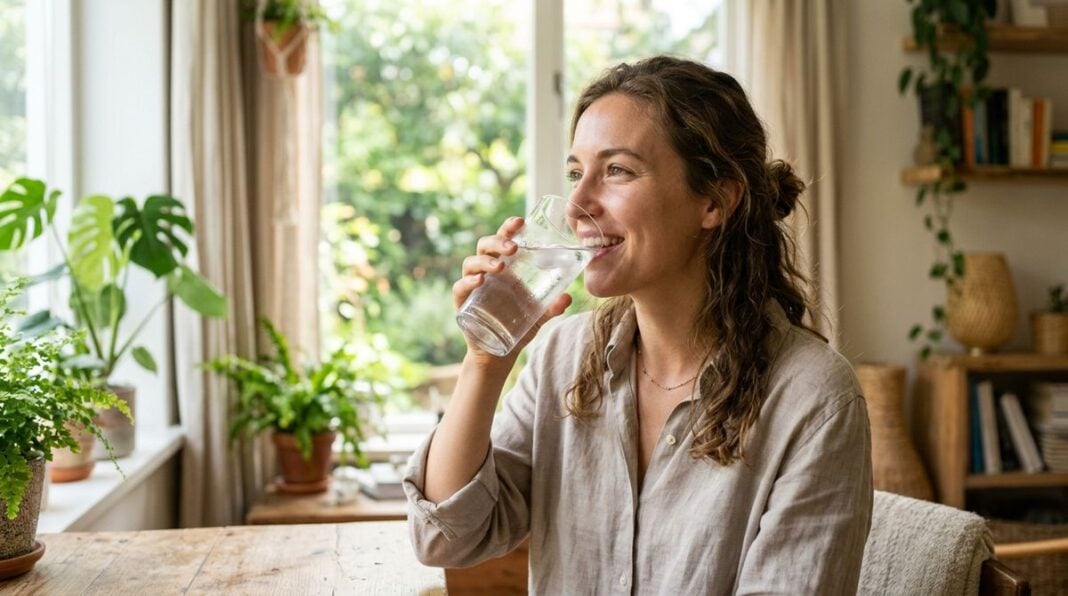


Water is essential for almost every function in the body, yet many teenagers spend long school days drinking very little. They may be busy moving between classes, concentrating in lessons, or playing sports after school. A bottle left in a bag, a dislike of the taste of tap water, or simply forgetting can all lead to a day with too few drinks. Mild tiredness and headaches are sometimes linked to low fluid intake, though many other factors can cause them too. This article explains simple, practical habits that help teens drink regularly without turning it into a chore.
Understand how much fluid a day needs
Fluid needs vary from person to person. They depend on body size, age, activity level, the weather, and whether a person is unwell. Because of this, there is no single number that fits every teenager. A general principle is to drink regularly through the day, and to drink more when sweating, exercising, or spending time in hot conditions. Paying attention to thirst is helpful, though some people do not feel thirsty until they are already somewhat dehydrated.
Urine colour can offer a rough guide. Pale yellow urine often suggests that fluid intake is adequate, while very dark urine may mean more fluid is needed. This is a general pointer rather than a precise test, and a doctor can advise if there are concerns.
Make water easy to reach
The simplest change is to keep a refillable bottle close at hand. Place it on the desk, in the bag, or in a visible spot at home so that drinking becomes a natural habit. Choose a bottle that fits easily into a backpack and that is easy to open and clean. Many teens are more likely to drink when the bottle feels like their own, so let them pick the design. Readers may also want to visit Top Best One.
Plan drinks around the school day. A bottle filled at home in the morning, a top-up at the water fountain before lunch, and another drink after sports or activities can cover most needs. Remind your teen that a drink does not need to be large. Even a small glass counts, and a few sips at regular times can add up across the day. Frequent small sips often work better than one big drink.
A simple checklist can help make water a routine:
- Fill a bottle before leaving home each morning
- Take a few sips between classes or during breaks
- Drink a glass with each meal and snack
- Refill the bottle after lunch or sports practice
- Keep a spare bottle in the bag for long days
Make water taste better without sugar
Some teens find plain water boring. Small changes can help without adding large amounts of sugar. A slice of lemon, a few cucumber pieces, or a sprig of mint can add flavour to a bottle. Cold water often tastes more refreshing than warm water, so keeping the bottle chilled overnight can make a difference during the day. Some teens also prefer water at room temperature, so offering a choice can make the habit easier to keep. Sparkling water is another option for some teens, though it is best enjoyed in moderation.
Sugary drinks, energy drinks, and large amounts of juice can add calories and may affect sleep or energy levels. Encourage your teen to see these drinks as occasional treats rather than the main source of fluid. You can also visit hunbaba.com for more reading.
Watch for signs that need attention
Mild dryness and tiredness are common and often improve with a drink and a rest. However, persistent headaches, dizziness, very little urine for many hours, confusion, or fainting need prompt medical advice. Teens with medical conditions, such as kidney problems or diabetes, may need personalized fluid guidance from their doctor, so families should check with a professional before making big changes.
For a related read on this site, see Keeping Food Safe During Power Cuts on a. These resources explain the general principles and identify situations where professional advice is important.
Build the habit together
Habits stick more easily when the whole family shares them. Keep water on the table during meals, drink from your own bottle in front of your teen, and talk about how you feel when you stay hydrated. Small, consistent actions often matter more than perfect targets. A relaxed approach is usually easier to keep up for months than a strict plan that feels like a test. If a day goes by with very little water, simply start again the next morning without guilt.
Simple habits, reliable bottles, and a steady routine can help a teenager stay comfortable through a demanding school day. Good hydration supports concentration and energy, and it becomes easier to maintain when it feels like part of everyday life rather than a rule to follow.