
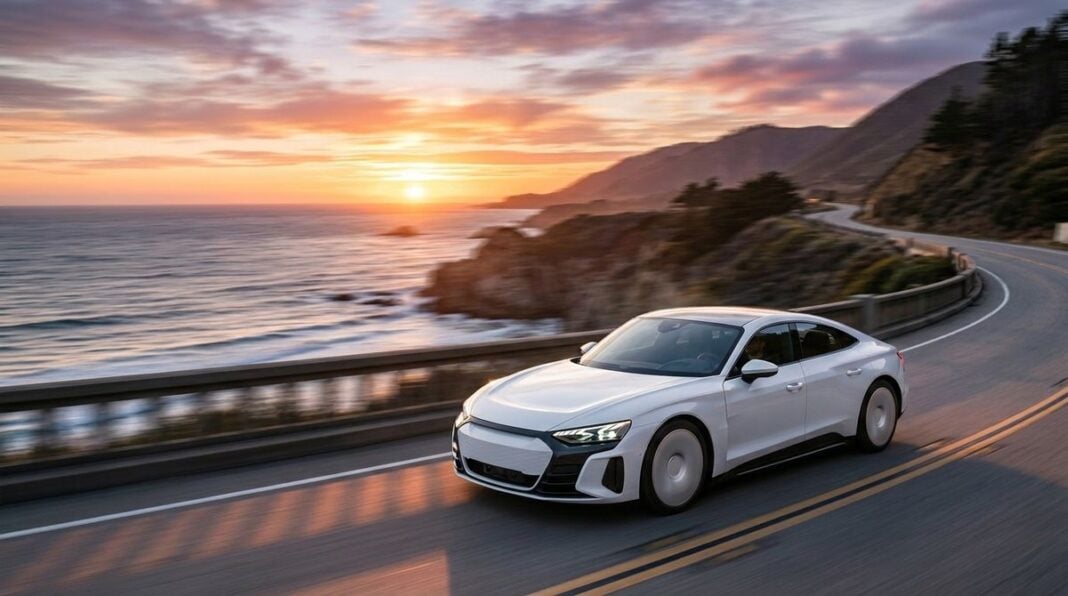


Driving at night feels different from driving in daylight. Colors fade, distances become harder to judge, and tired eyes can misread a sign or a pedestrian at the edge of the road. Many drivers feel uneasy after sunset, but most of that discomfort can be reduced with preparation and steady habits. This article looks at how to prepare the car, how to adjust your speed and attention, how to manage glare, and how to plan trips so that night driving becomes a manageable part of ordinary life rather than a source of worry.
Preparing the car before dusk
Good night driving starts in daylight. Clean the windshield inside and outside, because a film of dust or smeared residue scatters light from oncoming headlights and creates a haze that is hard to see through. Replace worn wiper blades and keep the washer bottle full. Check that every headlight, brake light, indicator, and number plate light works, and that the headlights are aimed correctly. A misaligned beam can dazzle other drivers or leave the road in front of you poorly lit, and a workshop can adjust it quickly. Readers may also want to visit airdemon.net.
Set the mirrors before the trip begins. Many drivers find that a rear-view mirror with an anti-glare setting helps reduce the dazzle from cars behind. Keep the dashboard lights low enough to see the road clearly but not so bright that they reflect on the windshield. If your car has a dimmer control, test it on a quiet road before you need it. A calm, familiar setup reduces the number of decisions you must make while the road ahead is harder to read.
Adjusting your eyes and your speed
At night, your eyes need more time to adapt when moving between bright and dark areas, such as tunnels, lit car parks, and unlit country roads. Slow down a little when entering a dark stretch, and allow your eyes a moment to settle before increasing speed again. Keep your gaze moving between the near road surface and the far distance. Looking too far ahead can leave you unaware of a cyclist or animal close to the edge of the lane, while staring only at the near surface can cause you to miss road signs and bends.
Speed is one of the most important controls at night. Your headlights show only a limited distance ahead, so drive at a speed that lets you stop comfortably within the area you can see clearly. Many drivers find that leaving extra space between their car and the one in front provides valuable time to react. Watch for reflections on road signs, reflective markers, and the glow of other vehicles, since they can reveal bends and junctions before they become obvious in the beam.
- Clean windshield and fresh wiper blades before dusk
- Headlights aimed correctly and all bulbs working
- Mirrors set to reduce dazzle from behind
- Speed matched to the distance your headlights reveal
- Extra following distance on dark, unfamiliar roads
Handling glare and tired eyes
Glare from oncoming headlights is one of the most common night driving complaints. When dazzled, avoid staring directly at the lights. Look slightly toward the left edge of the lane, where the painted line or curb can guide you, and let the bright light pass by your peripheral view. Some drivers find that a clean windshield and an anti-glare mirror reduce the effect considerably. If glare is severe and persistent, slow down and move gently to the side of the road only when it is safe to do so.
Tired eyes make everything harder at night. Blinking becomes less frequent, focus can drift, and small movements of the car may go unnoticed. Plan regular breaks on longer journeys, and stop in a safe place if you feel drowsy. Opening a window for fresh air or chewing sugar-free gum may help briefly, but neither replaces rest. Anyone who experiences frequent difficulty seeing at night should arrange an eye examination with a qualified optician or doctor, because changes in vision can be treated and should not be ignored.
Before leaving, make sure that the phone is charged, that a navigation route is set, and that the car has enough fuel for the journey plus a margin. Keep a warm layer and a flashlight in the car, in case you need to stop unexpectedly. You can also visit AnswerPrime for more reading. Many people also benefit from a short refresher lesson with a qualified instructor, which can build confidence in a calm, supervised setting. For a related read on this site, see A Calm Strategy for Replacing Aging Household Technology. Remember that rules about driving hours and licenses depend on where you live, so check the local requirements before making long-term plans.
Planning night journeys wisely
Not every trip needs to happen after dark. Where possible, schedule long or unfamiliar journeys for daylight and keep night driving for shorter, well-known routes. Check the weather and road conditions before setting off, since rain, fog, and ice make night driving significantly harder. Tell someone your route and expected arrival time, especially when traveling in remote areas where phone coverage can be patchy.