
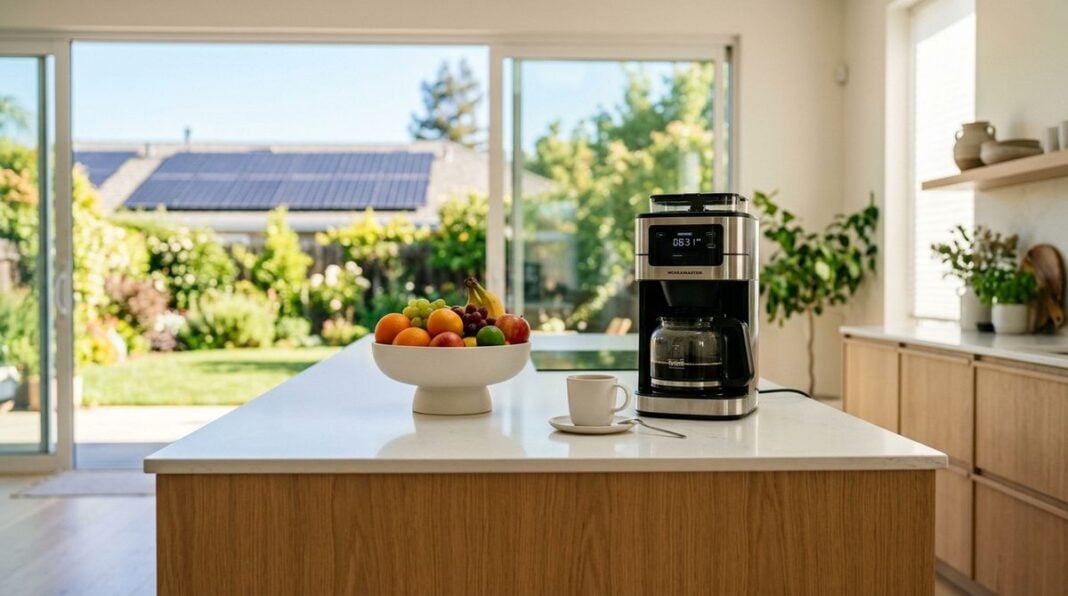


A bowl of fruit placed on the kitchen table can quietly change the way a household eats. When fruit is visible and easy to reach, it becomes a natural choice for a snack or a pudding. Many families want to encourage fresh fruit but find that good intentions fade when the fruit spoils in the drawer or the children lose interest. A fruit bowl habit works best when it is simple, colourful, and shared, so that everyone feels part of the choice.
This article offers general ideas for making fruit a regular part of family life. It does not make claims about specific health outcomes, and families with particular dietary needs or allergies should seek advice from a qualified professional.
Put the bowl where people already pass
Visibility matters. A bowl placed on the counter by the door, near the kettle, or at the centre of the table is far more likely to be used than one tucked away at the back of a cupboard. Choose a bowl that is easy to lift and wide enough to hold a range of fruit without bruising the soft pieces. A clear or light-coloured bowl makes the fruit look appealing and helps people see what is available.
Consider where children sit and snack. If a child usually eats at a particular spot, placing the bowl nearby encourages them to reach for fruit naturally, rather than waiting to be asked.
Let children choose and prepare
Children are more likely to eat fruit they have chosen themselves. Take them to the shop or market, and let each child pick one new item to try. Ask simple questions about colour, texture, and taste, and turn the choice into a small game. Young children can wash fruit under a tap with supervision, and older children can slice soft pieces with a child-safe knife.
Cut fruit can be arranged in fun shapes or served on skewers. These small touches turn fruit into an activity rather than a rule, which often makes the habit last longer.
Rotate the fruit through the seasons
Seasonal fruit tends to taste better and is often more widely available. Rotating the bowl through the year keeps the family interested and brings variety to the table. In warmer months, berries and stone fruit may be abundant, while autumn and winter bring apples, pears, and citrus. Discuss the seasons with the children and invite them to notice which fruits are arriving in the shops.
Keep a rough list of favourite fruits and any that nobody enjoys. Frozen fruit can also be a sensible option when fresh supplies run low, since it keeps well and suits porridge or smoothies. This simple record helps with shopping and reduces waste, because the family buys what they are likely to eat before it spoils.
Store fruit to keep it fresh
Fruit that is stored well lasts longer and tastes better. Some fruits, such as bananas and stone fruit, ripen quickly and are best kept on the counter until ready. Others, such as berries, keep better in the fridge for a short time and should be washed just before eating. Check the bowl every day and move overripe pieces to a separate space for baking or smoothies. Readers may also want to visit Mama hustler.
Avoid placing fruit that releases ethylene gas, such as ripe apples, close to items that spoil quickly, like salad leaves. A few small adjustments like this can reduce waste and keep the bowl appealing.
A family fruit bowl is a simple, friendly way to make fresh food part of everyday life. Place it where people pass, involve the children in choosing and preparing, rotate the varieties, store the fruit with care, and avoid pressure at the table. You can also visit getnewsupdate.net for more reading.
Mistakes that stop the habit from sticking
A common mistake is forcing fruit on children, which often makes them resist it more. Offer choices instead and let them decide how much to eat. Another mistake is buying large quantities of fruit that nobody likes, which leads to frustration and waste. A third error is letting the bowl become a dumping ground for other items, so that the fruit is hard to see.
- Place the bowl where the family already passes.
- Let children pick new fruit and help prepare it.
- Rotate the fruit with the seasons for variety.
- Store fruit correctly and check the bowl daily.
- Offer choices rather than forcing a particular item.
If you have concerns about a child’s eating habits or about allergies, speak with a qualified professional, such as a doctor or dietitian, for personal advice.