


Creating a wardrobe that feels both fresh and dependable is a common challenge in personal style. When new aesthetics sweep through storefronts, it becomes tempting to chase every shift. Yet filling a closet with rapid purchases often leads to clutter and garments that lose appeal after a few outings.
A balanced approach focuses on building a foundation of quality essentials while leaving room for intentional experimentation. Rather than choosing between a rigid minimalist uniform and constant trend-following, you can enjoy both. The goal is simple: invest in enduring pieces that hold their shape, then introduce contemporary accents that bring energy to your daily look.
Striking this balance requires understanding what gives a garment longevity, recognizing how trends evolve, and pairing structured classics with modern elements. With thoughtful curation, your closet becomes a functional collection that supports your routine while reflecting your personal taste.
Evaluating Fabric and Construction Before You Buy
Long-lasting garments begin with sound materials and attentive craftsmanship. When shopping for foundational clothing like coats, trousers, knitwear, and button-down shirts, inspecting the details saves frustration down the road. High-grade natural fibers such as wool, cotton, linen, and silk generally breathe better and wear more gracefully than synthetic alternatives.
Seams and stitching reveal how a piece will hold up after repeated wear. Look for dense, even stitches without loose threads or puckering. Reinforced pocket edges, clean inner linings, and sturdy buttons anchored with secure thread indicate that a garment was constructed to endure regular use.
Fabric weight and weave also matter when judging quality. A substantial fabric holds its structure, draping cleanly across the body without clinging or stretching out of shape. Readers seeking detailed analysis on durable garment design and international apparel updates often turn to polish-clothes.com to better understand how authentic tailoring and careful craftsmanship outlive fleeting novelty.
When you know how to identify solid manufacturing, you can invest with clarity. These well-made foundation items serve as the reliable canvas for whatever current accents you choose to introduce later.
Tracking Seasonal Movements Without Overhauling Your Closet
Apparel trends move rapidly, but that does not mean you have to ignore them entirely. Trend awareness can inspire fresh outfit combinations using items you already own. The key is distinguishing between fleeting micro-trends and broader silhouette shifts that stay relevant across multiple seasons.
Broader stylistic movements usually focus on proportions, such as a shift toward relaxed trousers, boxier jackets, or softer shoulder lines. These shifts offer genuine versatility because they alter how your staple garments interact. By contrast, hyper-specific novelty patterns or loud embellishments tend to date quickly and prove difficult to combine with existing essentials.
To stay informed on seasonal palettes and changing street style, keeping an eye on fashiontrendslatest.com helps you spot which emerging aesthetics align with your existing closet before you make any spontaneous purchases.
Before adopting a new style idea, consider whether it complements your routine. If an emerging silhouette suits your personal comfort and pairs naturally with staples you already wear, it can make a worthwhile addition.
Practical Steps to Marry Classic Tailoring with Contemporary Accents
Once you have a dependable collection of core pieces and an eye for current accents, combining them becomes straightforward. The secret lies in balancing contrast. A clean, structured garment keeps trendy elements grounded, while a modern piece prevents classic tailoring from feeling stiff or dated.
Here are a few reliable styling formulas to help you harmonize timeless construction with modern accents:
- Layer a relaxed modern knit over structured wool trousers to soften formal lines while preserving comfort.
- Pair a traditional single-breasted blazer with relaxed denim and low-profile leather sneakers for an effortless casual finish.
- Introduce a seasonal accent color through small accessories like scarves or shoulder bags rather than full-length outerwear.
- Combine a crisp poplin dress shirt with contemporary pleated wide-leg pants to merge heritage tailoring with a modern silhouette.
While we previously explored techniques for adapting celebrity aesthetics for daily office wear, extending that balanced mindset into your weekend and off-duty rotation ensures your entire wardrobe remains versatile.
Using these pairings lets you experiment freely. You enjoy the freshness of contemporary design while leaning on the comfort and fit of your proven favorites.
Building an Intentional Rotation Strategy
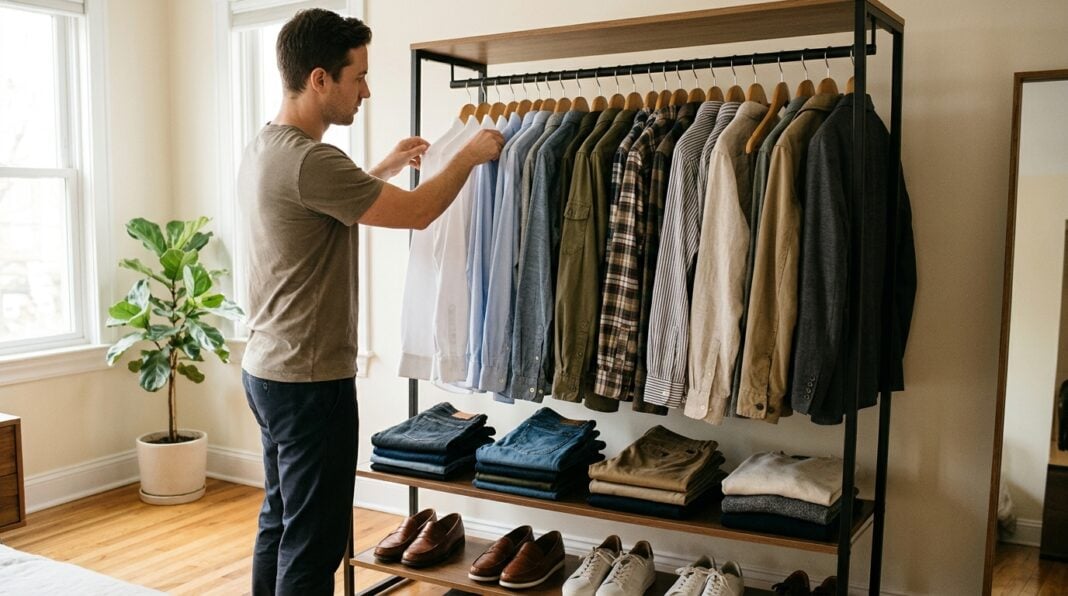
A functional closet thrives on visibility and space. When clothes are packed tightly together, favorite pieces become hidden, leading to the frustrating feeling that you have nothing suitable to wear. Organizing your garments intentionally makes dressing simpler each morning.
Adopting a seasonal rotation strategy helps maintain clarity. Store heavy coats or lightweight summer linens in breathable bins when out of season. Keeping only weather-appropriate items within arm’s reach frees up space and lets you see how your staple garments interact with current seasonal accents.
Another helpful habit is intentional review. When you consider bringing a new trend-focused item into your rotation, evaluate what purpose it serves. If a similar garment sits unworn, take time to understand why before acquiring a replacement. Thoughtful moderation protects your closet from unnecessary expansion.
Giving your wardrobe breathing room also prolongs garment life. Fabrics rest between wears, allowing fibers to regain their natural elasticity and reducing permanent creasing.
Maintaining Garments for Long-Term Everyday Wear
Investing in well-made items only delivers value if you care for them properly. Many clothes degrade not from regular wearing, but from aggressive laundering methods. Gentle maintenance practices preserve color, texture, and structural integrity over time.
Washing clothing in cold water and hanging garments to dry prevents shrinkage and protects fibers from high-heat damage. For items like tailored blazers and structured coats, using a handheld steamer removes wrinkles and refreshes fabric without subjecting wool to harsh dry cleaning chemicals.
Simple repairs also make a tremendous difference. Replacing a loose button, fixing a fallen hem, or de-pilling a favorite sweater takes minimal effort but restores the polish of a garment instantly. Treating your clothing with mindful respect ensures that your foundation pieces remain ready for any occasion.
Proper storage is equally critical. Using wide wooden or padded hangers prevents shoulder dimples on heavy jackets, while folding knitwear stops sweaters from stretching out along the neckline.
Developing a dependable personal style does not require constant shopping or rigid adherence to strict fashion rules. It comes from knowing what feels comfortable, recognizing enduring quality, and allowing yourself the flexibility to try new ideas in moderation.
When high-quality foundational pieces anchor your closet, experimenting with contemporary trends becomes an enjoyable, low-pressure exercise. By choosing solid craftsmanship and introducing modern accents with care, you build a versatile collection of clothing that serves your daily life gracefully.