
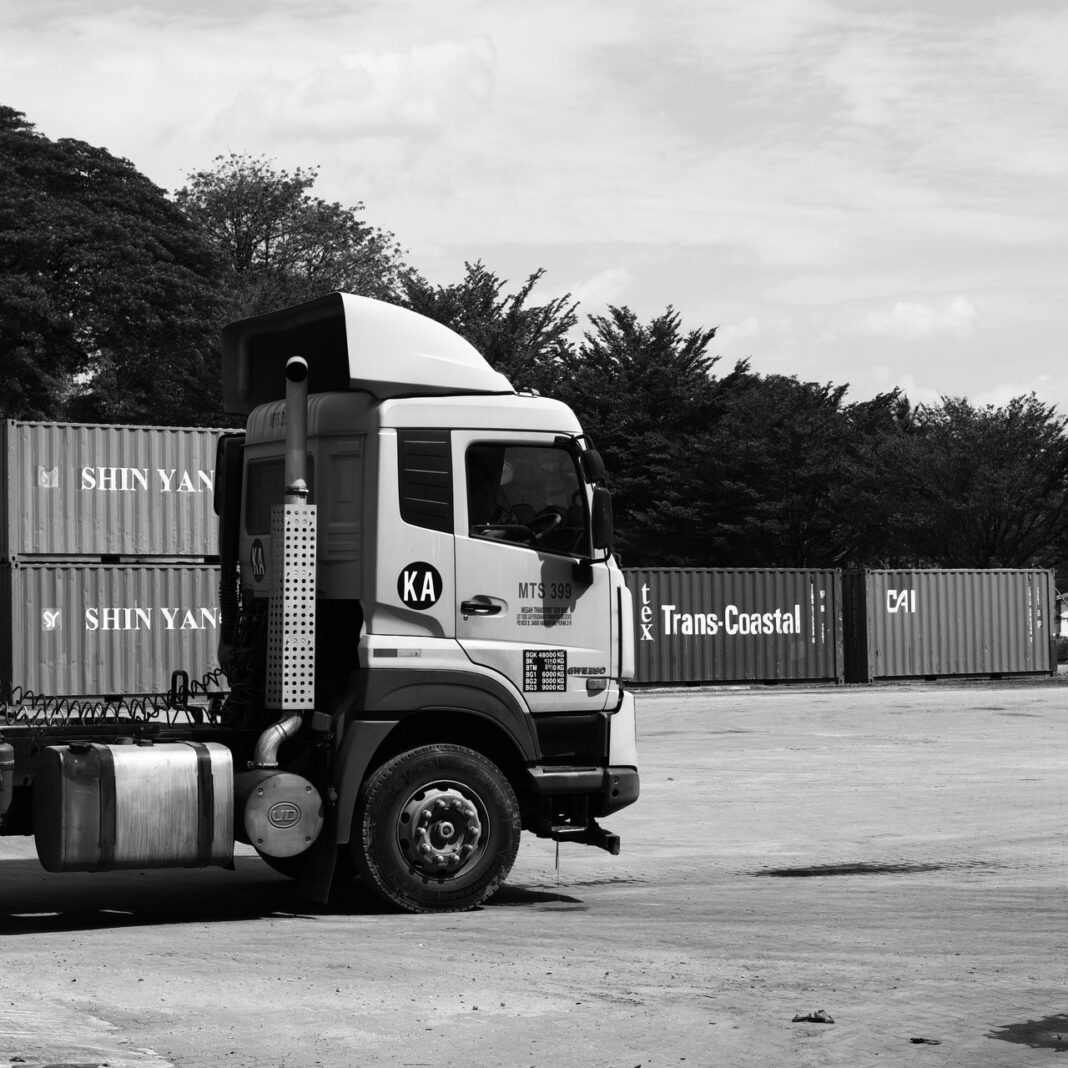


Large truck collisions present some of the most devastating outcomes among all vehicle accidents, and Fort Myers’ busy commercial corridors, including US-41, I-75, and the freight routes connecting Southwest Florida’s distribution centers, see a steady volume of commercial truck traffic every day. When a collision occurs between a passenger vehicle and a fully loaded tractor-trailer, the resulting injuries are often catastrophic. Understanding the unique legal landscape surrounding these cases is essential for victims seeking to recover the compensation they need.
Why Truck Accidents Cause Such Severe Injuries
The size and weight disparity between commercial trucks and passenger vehicles is the primary reason these collisions tend to be so much more dangerous than typical car accidents. A fully loaded tractor-trailer can weigh twenty to thirty times more than the average passenger car, and that weight difference dramatically affects the physics of any collision. Occupants of the smaller vehicle bear a disproportionate share of the resulting injuries and fatalities in nearly every large truck crash.
National crash data consistently confirms this pattern. The Federal Motor Carrier Safety Administration’s large truck and bus crash facts report provides detailed statistics on the frequency, causes, and severity of large truck collisions nationwide, offering important context for understanding just how significant the risks associated with these crashes truly are.
Common Causes of Truck Collisions in the Fort Myers Area
Driver Fatigue and Hours-of-Service Violations
Commercial truck drivers are subject to federal hours-of-service regulations designed to prevent fatigue-related crashes, limiting how many consecutive hours a driver may operate without rest. Despite these regulations, pressure to meet delivery schedules sometimes leads drivers or trucking companies to push beyond legal limits, resulting in dangerously fatigued drivers behind the wheel of an enormous vehicle.
Inadequate Vehicle Maintenance
Commercial trucks require regular and thorough maintenance to operate safely, including brake systems, tire condition, and trailer coupling mechanisms. When trucking companies cut corners on maintenance schedules to reduce costs, the resulting mechanical failures can directly cause or contribute to serious collisions.
Improper Cargo Loading
Improperly loaded or secured cargo can shift during transit, affecting a truck’s balance and stability, sometimes leading to rollovers or jackknife accidents. Liability in these cases can extend beyond the driver and trucking company to include the entity responsible for loading the cargo in the first place.
Distracted or Impaired Driving
Like any driver, truck operators can become distracted by phones, navigation systems, or fatigue-related lapses in attention. Given the extended hours many truck drivers spend on the road, distraction and impairment carry an elevated risk in this industry compared to typical passenger vehicle driving.
The Legal Complexity of Truck Accident Cases
Multiple Potentially Liable Parties
Unlike standard car accidents involving two drivers, truck collisions often involve several parties who may share legal responsibility. This can include the truck driver, the trucking company that employed or contracted the driver, the company responsible for loading the cargo, the entity responsible for maintaining the truck if separate from the trucking company, and in some cases, the manufacturer of a defective truck part that contributed to the crash.
Identifying every liable party is critical, since each typically carries separate insurance coverage, and a thorough investigation may reveal additional sources of compensation that would otherwise go unaddressed.
Federal Regulations Add Another Layer
The commercial trucking industry operates under federal regulations that go well beyond standard state traffic laws. These include specific requirements for driver qualification, vehicle inspection, hours of service, and cargo securement. Violations of these federal regulations often serve as powerful evidence of negligence in a truck accident claim, but identifying these violations requires specific knowledge of the regulatory framework and an understanding of which records to request from the trucking company.
Evidence That Can Disappear Quickly
Trucking companies often operate under data retention policies that result in critical evidence, including electronic logging device data documenting driver hours and dash camera footage, being deleted or overwritten within a matter of weeks. Sending a formal evidence preservation request as soon as possible after a crash is essential to ensuring this evidence remains available for review.
What to Do Immediately After a Truck Accident
If you are involved in a collision with a commercial truck, call 911 right away to request police and emergency medical response. Given the severity typical of these collisions, accept medical evaluation at the scene even if your injuries seem minor at first. If you are physically able, photograph the scene, including the truck’s company name and any identifying numbers on the cab or trailer, the position of both vehicles, road conditions, and any visible injuries.
Collect contact information from witnesses if possible, and avoid discussing fault or the details of the crash with anyone representing the trucking company. Trucking companies often deploy rapid response teams within hours of a serious crash to begin protecting their own interests, and anything said to these representatives can be used to minimize the company’s liability later.
Why These Cases Require Specialized Legal Knowledge
Facing Well-Resourced Defendants
Trucking companies typically carry significantly higher insurance policy limits than individual drivers and often have substantial legal resources dedicated to defending against claims. Their insurers move quickly, sometimes investigating a crash before the victim has even been discharged from the hospital. Going up against this level of resources without comparable legal representation puts injured victims at a serious disadvantage.
Building a Comprehensive Damages Claim
Given the severity typical of truck accident injuries, a properly built claim needs to account for extensive medical treatment, long-term rehabilitation, permanent disability, and significant lost earning capacity. This requires working with medical experts, economists, and sometimes accident reconstruction specialists to ensure that any settlement or verdict truly reflects the long-term cost of the injuries sustained, not just the bills that have already accumulated.
Seeking Experienced Legal Representation
Truck accident cases demand a level of investigative depth and regulatory knowledge that goes well beyond what is typically needed in a standard car accident claim. An attorney with specific experience in commercial truck litigation understands the federal regulations governing the industry, knows how to preserve evidence before it disappears, and has the resources necessary to take on well-funded trucking companies and their insurers.
If you or a loved one has been injured in a large truck collision in the Fort Myers area, consulting a Fort Myers truck accident lawyer at Viles & Beckman ensures you have experienced representation prepared to handle the complexity these cases demand and to pursue full and fair compensation on your behalf.
Final Thoughts
Large truck collisions in Fort Myers carry a level of severity and legal complexity that sets them apart from ordinary vehicle accidents. From the multiple parties who may bear responsibility to the federal regulations that govern the trucking industry, building a strong claim requires prompt action, thorough investigation, and specialized legal knowledge. Victims who understand these unique challenges, and who secure experienced legal guidance early, are far better positioned to recover the full compensation their situation demands.