
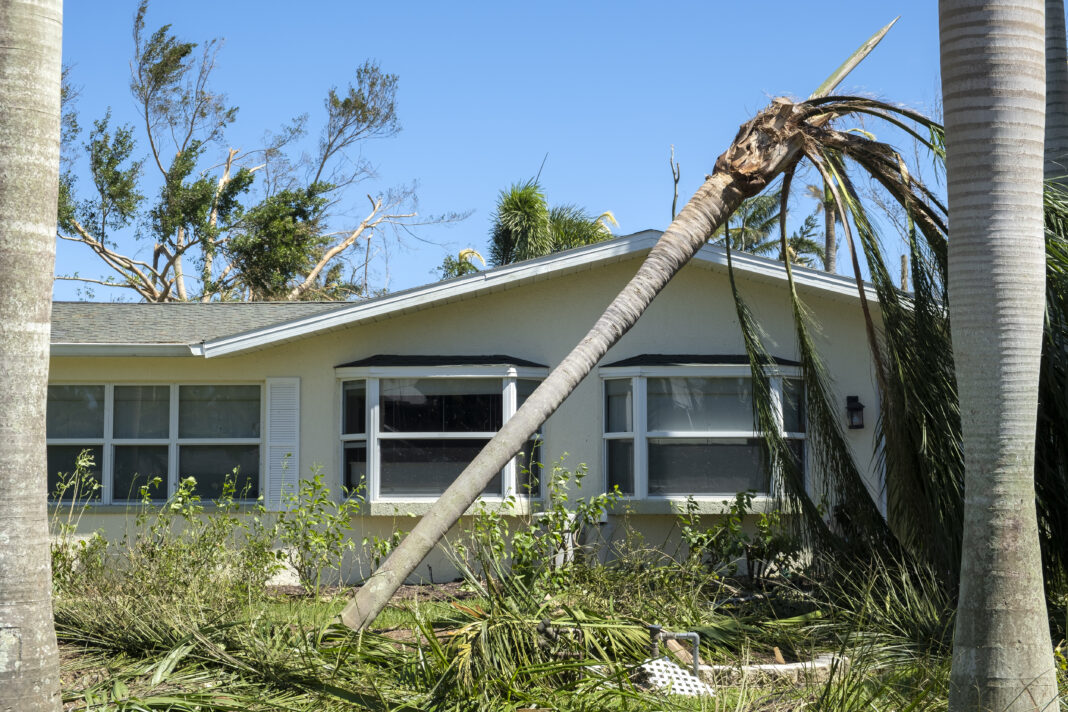


When disaster strikes — whether it’s a flood, fire, or mold outbreak — the aftermath is overwhelming. Among the hardest decisions homeowners face is figuring out what’s worth saving and what needs to go. It’s an emotional process, but for restoration professionals, it’s a disciplined, systematic one. Here’s how the experts think through it.
The First Question: Is It Structurally Compromised?
Before anything else, professionals assess structural integrity. A piece of furniture, a wall, or a flooring section that has been fundamentally weakened poses safety risks that outweigh sentimental or financial value. If the material can no longer do its job — support weight, hold its shape, resist pressure — it typically gets removed without debate.
This applies especially to water-damaged structural elements. Wood that has swelled, warped, or begun to delaminate may look salvageable on the surface, but the internal damage often tells a different story.
Material Matters More Than You Think
Not all materials respond to damage the same way. Professionals know this well, and it significantly shapes their decisions.
Porous materials — drywall, insulation, particleboard, and certain fabrics — absorb moisture readily and become breeding grounds for mold. Once contamination sets in, these materials are almost always discarded. Trying to clean them is rarely effective and can spread the problem further.
Non-porous materials — metal, glass, solid hardwood, ceramic tile — are far more forgiving. With the right cleaning and drying techniques, these surfaces can often be fully restored to safe, functional condition.
Semi-porous materials fall somewhere in between. Concrete, for example, can sometimes be treated depending on the extent and type of contamination.
How Long Was It Exposed?
Time is a critical factor. A soaked carpet that gets extracted and dried within 24 to 48 hours has a reasonable chance of being saved. The same carpet left wet for several days? The risk of permanent microbial contamination makes replacement the safer, smarter call.
This is why professional response time matters so much. The faster a restoration team arrives, the more options remain on the table.
Sentimental Value Doesn’t Get Ignored
Good restoration professionals don’t operate like machines. They understand that a water-logged photo album or a smoke-damaged heirloom dresser carries value that doesn’t show up on an insurance estimate. Reputable companies take the time to flag items that may be candidates for specialized cleaning or document recovery, even when those efforts are painstaking.
That said, honesty is part of the job. If an item poses a health hazard or simply cannot be returned to a safe, functional state, professionals will say so clearly — and explain why.
The Role of Testing and Documentation
Decisions aren’t always made by sight alone. Air quality testing, moisture meters, and surface sampling help professionals confirm what they suspect and defend their recommendations to insurance adjusters. Documentation is thorough and methodical, ensuring that every decision — to save or to discard — is backed by measurable data rather than guesswork.
What Homeowners Can Do
If you’re waiting for a restoration crew to arrive, there are a few things you can do without making matters worse:
- Don’t move wet materials into other rooms, as this can spread contamination.
- Photograph everything before any cleaning or removal begins.
- Avoid using fans in mold-affected areas, as this can distribute spores.
- Keep a list of items you believe have personal or financial value so you can communicate this to the team.
The goal of any quality restoration professional is to save as much as possible — safely, effectively, and honestly. Knowing how these decisions get made can help homeowners feel less powerless during a genuinely difficult time.