


Getting into a car accident is stressful enough on its own. But once the dust settles and the repairs are done, many car owners are hit with another unpleasant reality — their vehicle is now worth less than it was before. Understanding what drives that loss in value can help you make smarter decisions, both during the repair process and when it’s time to sell.
Here are five key factors that directly impact your car’s resale value after an accident.
1. The Severity of the Damage
Not all accidents are created equal. A minor fender bender is very different from a collision that compromises a vehicle’s structural integrity. Damage to the frame, crumple zones, or safety systems raises serious red flags for potential buyers and appraisers. Even if the car looks perfect after repairs, severe prior damage leaves a lasting mark on its value.
2. The Quality of the Repairs
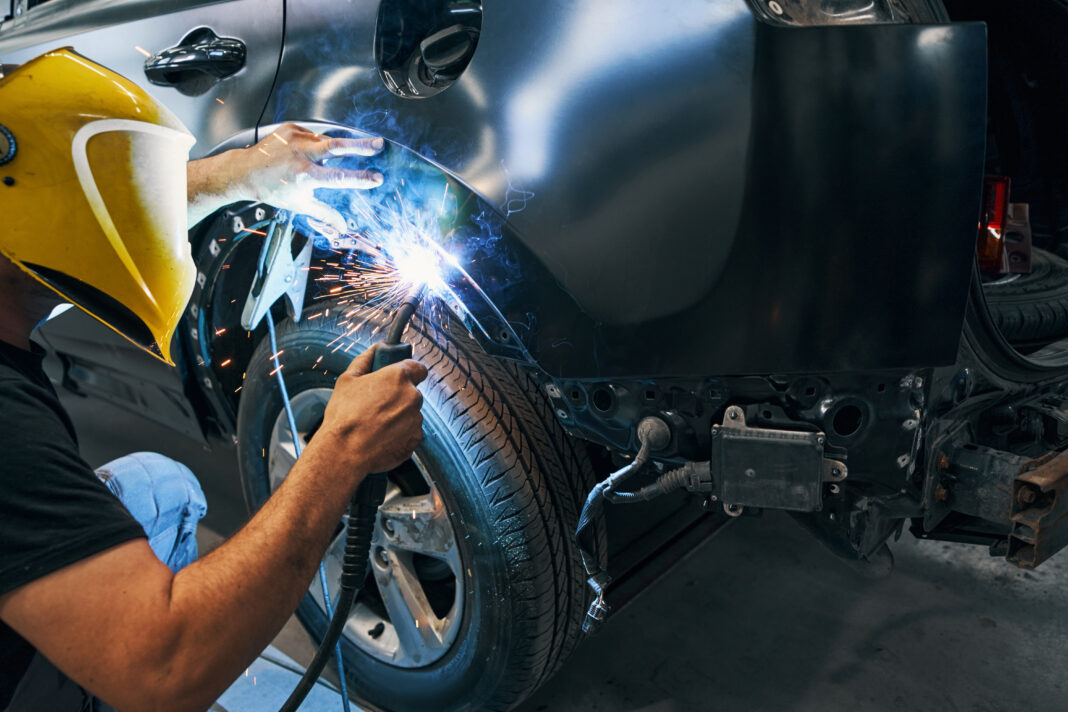
Where and how your car gets repaired matters enormously. Repairs done at a reputable auto body shop using original equipment manufacturer (OEM) parts carry far more weight than quick, cheap fixes with aftermarket components. Shoddy paintwork, misaligned panels, or improper welding are immediately noticeable to trained eyes — and they signal to buyers that the car wasn’t properly restored. Choosing a certified, high-quality auto body shop is one of the best investments you can make in preserving your vehicle’s value.
3. The Accident History on the Vehicle Report
Services like Carfax and AutoCheck compile detailed vehicle history reports that any buyer can pull up in seconds. If your car was involved in an accident, there’s a strong chance it’s documented. A reported accident — even a minor one — can cause buyers to hesitate or negotiate the price down significantly. This is largely out of your control, which is why the quality of your repairs becomes even more critical.
4. Diminished Value
Even after flawless repairs, your car may suffer what’s known as diminished value — the difference between what it was worth before the accident and what it’s worth after. Insurance companies often recognize this as a legitimate claim, but many car owners don’t realize they can pursue compensation for it. There are three types: inherent diminished value (the stigma of the accident itself), repair-related diminished value (from poor repairs), and immediate diminished value (the gap right after the accident, before repairs). Knowing this distinction can be financially valuable when dealing with insurers.
5. The Age and Pre-Accident Condition of Your Vehicle
An accident hits a newer, well-maintained vehicle harder in relative terms than it does an older car that was already depreciating quickly. A luxury sedan with low mileage and a clean history loses a great deal more proportionally when an accident enters the picture. On the flip side, if your car already had existing wear, rust, or mechanical issues before the accident, those factors compound the loss in value.
What You Can Do About It
While you can’t erase an accident from your vehicle’s history, you can minimize the damage it does to your car’s resale value. Start by choosing a trusted auto body shop that uses proper parts and certified repair techniques. Document everything — from the initial damage assessment to the final repair invoice. If you’re entitled to a diminished value claim, pursue it.
A little diligence goes a long way. Buyers respond to transparency and quality, and a well-repaired vehicle with thorough documentation will always command a better price than one that raises questions.