
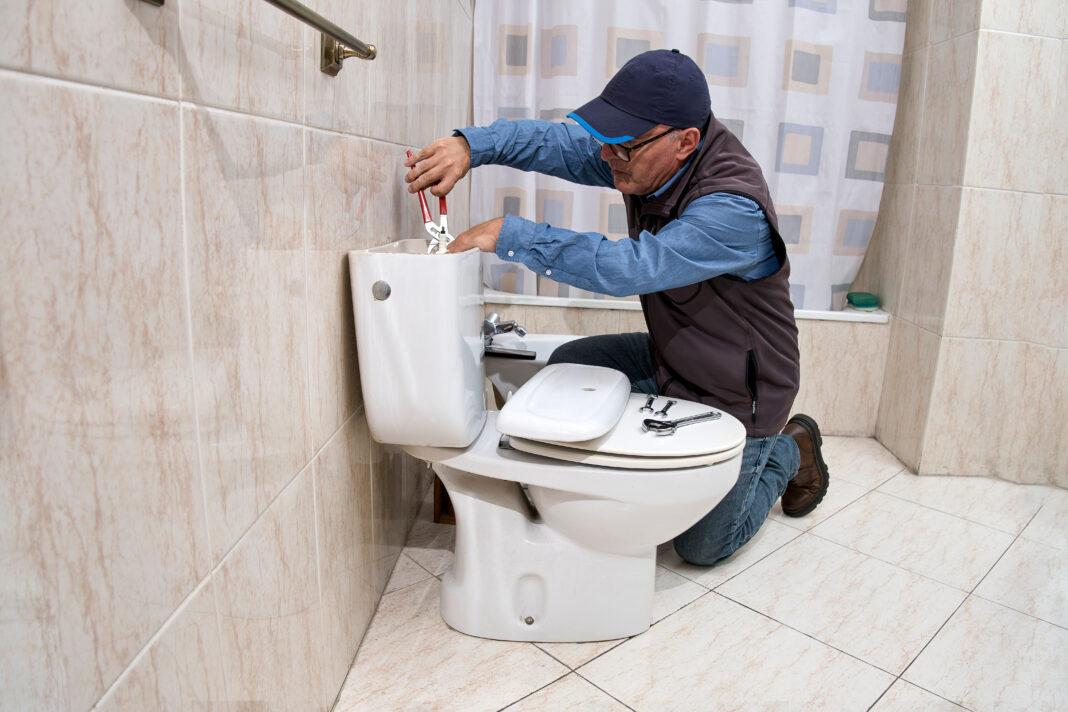


When your toilet starts acting up, it’s easy to feel overwhelmed. Is it time to call in a professional for a quick repair, or should you be preparing to invest in a replacement? The answer isn’t always straightforward. Factors such as the nature of the problem, the age of the toilet, and even your water usage habits all play a role.
In this article, we’ll break down the key considerations to help you make an informed decision between repairing or replacing your toilet. Armed with this insight, you’ll not only save time and money but also ensure that your plumbing functions efficiently for years to come.
Common Toilet Issues That May Require Repair
For minor problems, repairs are often the fastest and most cost-effective solution. Below, we highlight some of the most common toilet issues that can be fixed with professional plumbing services:
1. Clogging Problems
Occasional clogs can usually be cleared with a plunger or plumbing snake. However, frequent clogs may signal a deeper issue, such as a partial pipe blockage or an outdated design that doesn’t handle waste well.
2. Running Toilet
If your toilet keeps running long after you flush, it’s likely due to a faulty flapper, fill valve, or overflow tube. These parts are relatively inexpensive to replace and can prevent unnecessary water waste.
3. Leaking or Dripping
Water pooling around the base of your toilet or dripping from the tank is usually a seal or component issue. Repairing these leaks promptly can prevent costly water damage to your floor or subfloor.
4. Weak Flush
If the flush isn’t as strong as it should be, the problem could lie within the tank mechanisms or insufficient water pressure. These repairs are simple and can bring your toilet back to full functionality.
Signs It’s Time to Replace Your Toilet
While repairs can extend the life of your toilet, there are situations where replacement is the more practical—and long-lasting—option. These are the most telling signs that it’s time to invest in a new toilet:
1. Frequent Repair Needs
If you find yourself calling a plumber more often than not, the costs of constant repairs might outweigh the benefits. Upgrading to a newer model can save money in the long run and reduce hassle.
2. Cracks in the Bowl or Tank
Cracks, even small ones, can lead to leaking and potential water damage. Worse yet, they weaken the overall structure of your toilet, making replacement the safest choice.
3. Outdated Model
Older toilets often lack the efficiency of modern, water-saving designs. Upgrading to a high-efficiency toilet (HET) can significantly reduce your water usage and lower utility bills.
4. Persistent Water Waste
If your toilet uses over 3 gallons per flush, it’s wasting a significant amount of water. Replacing it with a low-flow model not only helps the environment but also saves on water costs.
Factors to Help Decide Between Repair and Replacement
Now that you know the common situations for both repairs and replacements, the next step is determining what makes sense for your specific scenario. Consider the following factors:
1. Age of the Toilet
Toilets generally last 10–15 years. If yours is nearing the end of its lifespan, replacement is often more cost-effective than ongoing repairs.
2. Repair Costs
Compare the repair estimate to the cost of a new toilet and installation. If the repair cost is over 50% of the replacement cost, it’s better to invest in a new unit.
3. Environmental Impact
Older toilets not only waste water, but their repair parts may be harder to source. Newer models are more efficient and often built with sustainable materials.
4. Aesthetic Appeal
Outdated toilets can detract from the look of your bathroom. If you’re remodeling, a modern design could enhance both style and functionality.
When to Call a Professional
Whether you choose to repair or replace your toilet, it’s always best to enlist the help of qualified plumbing services. A trained professional can quickly diagnose the issue, provide an accurate estimate, and ensure that the job is done safely and effectively. Regular maintenance can also help extend the life of your plumbing fixtures, avoiding costly emergencies.
Conclusion
Deciding whether to repair or replace a toilet comes down to the specific issue at hand, the condition and age of the unit, and your long-term goals for efficiency and aesthetics. For minor issues, repairs are often sufficient. However, if your toilet is older, frequently malfunctioning, or inefficient, replacement might save you more in the long term.