
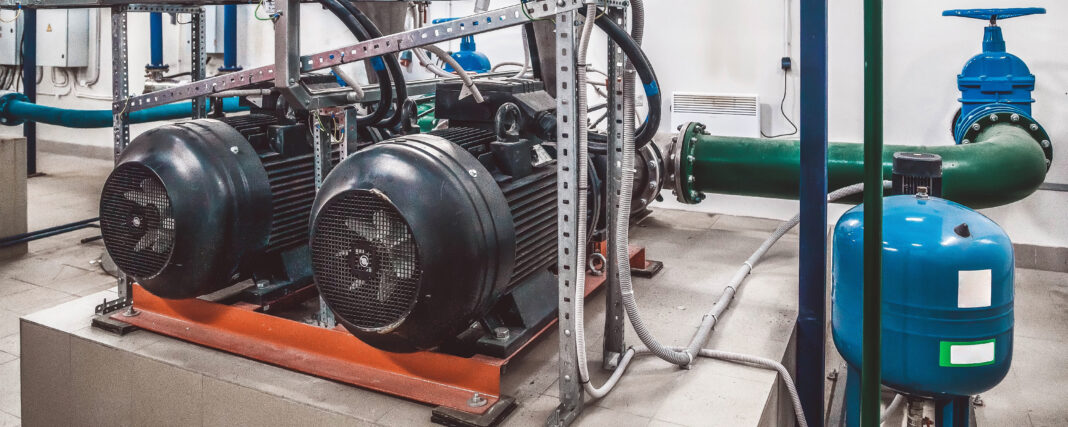


Industrial chillers are the backbone of many facilities, ensuring optimal performance in operations across manufacturing, healthcare, and data centers. But even with regular maintenance, no system lasts forever. Knowing when to upgrade your chiller is critical to avoid unexpected breakdowns, reduced efficiency, and increasing operating costs. Here are some telltale signs that your industrial chiller may be due for an upgrade.
1. Rising Energy Costs
One of the first signs your industrial chiller may no longer be performing efficiently is a noticeable increase in energy bills. Older systems often lose efficiency over time due to wear and tear, requiring more energy to achieve the same cooling output. If you’re regularly experiencing higher-than-usual utility costs without changes in usage, it might be time to consider an upgrade to a more energy-efficient model.
2. Inconsistent Cooling Performance
Industrial chillers are designed to maintain a stable temperature. If your system starts showing temperature irregularities—like failing to meet cooling demands or fluctuating outputs—it could indicate that components are wearing out. An inconsistent performance not only jeopardizes your operational processes but also increases the risk of system failures.
3. Frequent Repairs and Downtime
While occasional repairs are normal, frequent service calls and unscheduled downtime are red flags. As industrial chillers age, components like compressors, evaporators, and condensers may start to fail more often. If repair costs are piling up or disruptions are becoming a regular occurrence, investing in a modern chiller system is likely more cost-effective in the long run.
4. Obsolete Technology or Components
The cooling industry continues to evolve, with advancements in energy efficiency, sustainability, and system monitoring technology. If your industrial chiller relies on outdated components or uses older refrigerants that are being phased out, an upgrade can help you keep pace with modern standards and regulations, such as those targeting refrigerants with high global warming potential (GWP). Modern chillers also often come with advanced monitoring systems, allowing for predictive maintenance and greater control over system performance.
5. Noise Levels and Vibrations
Excessive noise and vibrations are common indicators of underlying mechanical issues or wear and tear in older chillers. If your chiller has become notably louder, it may be struggling with damaged internal components, misalignment, or excessive pressure levels. Upgrading to a new system can not only improve operating conditions but also reduce noise pollution in your facility.
6. Inability to Meet Facility Growth
As facilities expand, cooling demands often increase. If your current chiller isn’t able to scale to meet higher outputs or respond to operational changes, upgrading to a larger or more flexible system is paramount for consistent productivity. Modular chillers, for instance, offer scalability and redundancy, adapting to meet growing business needs seamlessly.
7. Declining Efficiency Ratings
Industry standards for energy efficiency have improved drastically in the last decade. Older industrial chillers may now fall short of benchmarks for efficiency and sustainability. By upgrading to a modern model with higher efficiency ratings, your organization can reduce its carbon footprint and take advantage of significant energy savings over time.
8. End of Useful Life Cycle
Even with excellent maintenance, industrial chillers have a finite lifespan. Most systems are designed to last between 15 to 20 years. If your chiller is approaching or exceeding this age, it’s likely operating less efficiently and susceptible to sudden failures. Planning for a replacement before a complete breakdown ensures minimal disruption and enables a smoother transition to advanced systems.
Benefits of Upgrading Your Industrial Chiller
Investing in a chiller system upgrade might seem like a significant upfront cost. However, the long-term advantages far outweigh the expenses:
- Reduced Operating Costs: Advanced chillers offer superior energy efficiency, cutting utility bills significantly.
- Modern Technology Integration: Benefit from smart monitoring systems that allow for predictive maintenance and real-time data analytics.
- Environmental Compliance: Meet or exceed new environmental standards for refrigerants and energy use.
- Improved Performance: Modern systems provide consistent, reliable cooling with fewer risks of performance drops or breakdowns.
Conclusion
If any of the issues above resonate with your facility’s current situation, it may be time to evaluate whether your industrial chiller is still serving your needs effectively. While proactive maintenance can extend the lifespan of a chiller, an upgrade often provides a smarter, more sustainable solution. By staying ahead of potential failures and adopting an energy-efficient model, you not only protect operations but also contribute to a greener future.