
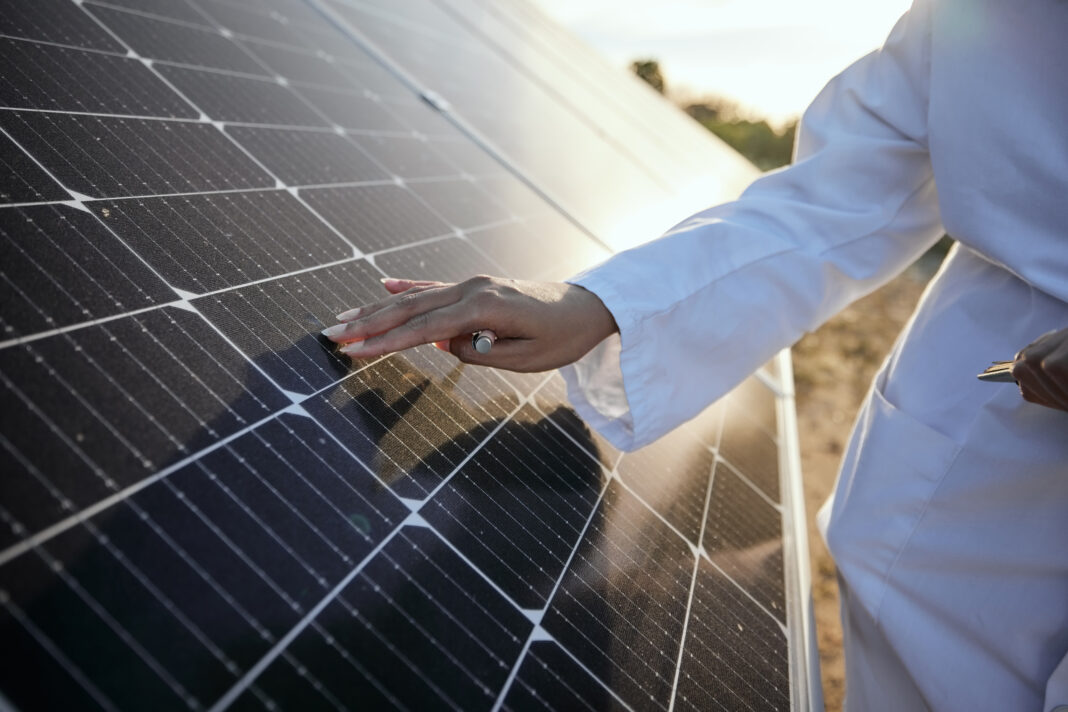


Arizona’s sunny skies make it a prime location for solar energy. With abundant sunlight, solar panels can operate efficiently year-round. However, maintaining their effectiveness requires proper care—cleaning being a crucial part of it. This begs the question: How often should solar panels be cleaned in Arizona? Let’s dive into the factors influencing their maintenance, the importance of regular cleaning, and best practices for keeping your panels in top shape.
Why Regular Cleaning is Important
Solar panels work by capturing sunlight and converting it into energy. When dirt, dust, or other debris accumulate on the panels, they create a barrier between the sunlight and the solar cells, reducing efficiency. In Arizona, where dust storms and dry conditions are common, dirt and grime can build up quickly. Over time, this buildup can lead to energy losses and, in more severe cases, damage to the panels themselves.
Cleaning your panels regularly ensures peak performance. A clean surface allows maximum sunlight absorption, increasing energy output and ensuring you get the most value from your solar investment.
Factors Affecting Cleaning Frequency
Determining how often you should clean your solar panels depends on several factors:
1. Location-Specific Conditions
- Desert Dust and Sandstorms: Arizona’s arid climate means dust storms (also known as haboobs) and sandy conditions are frequent. These storms can deposit a thick layer of dirt on solar panels, necessitating more frequent washes.
- Proximity to Roads or Construction Zones: If your home is near a dusty road or an area under construction, your panels are likely to accumulate grime more quickly.
2. Seasonal Variations
- The frequency of dust storms or periods of high pollen during certain times of the year may increase the need for cleaning.
- Monsoon season often leads to mud splatters due to rain mixing with dust. In such cases, your panels may appear dirtier and require immediate attention.
3. Panel Tilt and Positioning
- Panels installed at steeper angles are less prone to accumulating dirt since gravity helps wash debris off slightly when it rains.
- Flat or slightly inclined panels can trap more dirt and require additional cleaning efforts.
General Cleaning Recommendations
For most homeowners in Arizona, cleaning solar panels two to four times a year is sufficient. However, this frequency may need adjustment based on the factors mentioned earlier. In months with recurring dust storms or monsoons, inspecting your panels and cleaning them as necessary will ensure they remain efficient.
Rainfall, though rare in Arizona, can also play a role. While it provides a natural rinse for your solar panels, it isn’t always enough to clear away stubborn dirt or mud. Think of rain as a quick surface clean, which still requires periodic manual washing for a thorough result.
How to Clean Solar Panels Safely
When it comes to cleaning solar panels, safety and proper techniques make all the difference. Here are some best practices:
1. Use Mild Tools and Cleaners
- Avoid abrasive scrubbers or chemicals that might damage the surface of the panels. Soft brushes, squeegees, and clean, de-ionized water work best to remove dirt without leaving streaks or scratches.
2. Clean During Cooler Hours
- Arizona’s temperatures can soar during the day, and cleaning under the blazing sun risks cracking the solar glass due to thermal shock. Early mornings or evenings are ideal for cleaning.
3. Hire Professional Services
- If you’re unsure about climbing onto your roof or using the right tools, consider hiring professional cleaning services. They have the expertise and equipment to clean panels effectively and safely.
Signs Your Solar Panels Need Cleaning
If you’re unsure whether it’s time to clean your solar panels, watch for the following signs:
- A noticeable drop in your energy production or efficiency.
- Visible dirt, streaks, or debris from ground level.
- After a dust storm or monsoon, a thin layer of film might be apparent on close inspection.
Regular monitoring of your solar performance can also give you insights into when cleaning is needed. Many modern solar systems come with apps or systems that track energy yield, making it easier to notice deviations from normal output.
Bottom Line
Arizona’s sunny climate is perfectly suited for solar energy, but it also comes with unique challenges for solar panel maintenance. Cleaning your panels two to four times annually, or as needed based on dirt buildup and weather conditions, can prevent efficiency losses and extend their lifespan.