
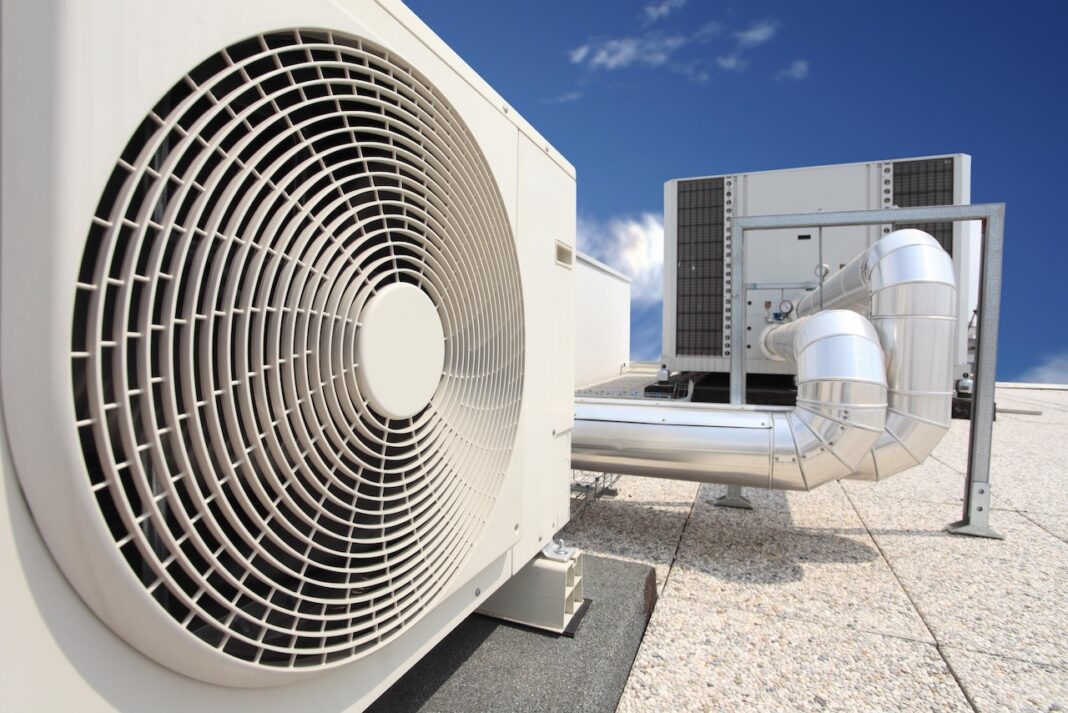


Air ducts are the unsung heroes of your HVAC system, quietly channeling warm and cool air throughout your home. However, these essential pathways can harbor leaks that compromise energy efficiency, lead to increased utility bills, and even affect indoor air quality. Sealing duct leaks not only helps to avoid these issues but also enhances your system’s performance and longevity. In this guide, you’ll learn why sealing duct leaks is important, how to identify them, and a step-by-step method to address this common problem at home.
Understanding the Importance of Sealing Duct Leaks
Leaky ducts pose several problems that can go unnoticed until your utility bills creep upward or your home’s comfort levels deteriorate:
- Wasted Energy: When air escapes through unsealed ducts, your HVAC system has to work harder, consuming more energy to maintain your desired indoor temperature.
- Higher Utility Bills: More energy consumption translates to higher energy costs—expenses you could otherwise avoid by repairing leaks.
- Poor Indoor Air Quality: Duct leaks can draw dust, allergens, and pollutants into the air supply, reducing your home’s air quality.
- Inconsistent Comfort: Uneven temperature distribution is a typical symptom of air duct problems, leaving some rooms too cold and others too warm.
Sealing duct leaks is an effective way to combat these issues, ensuring your home stays comfortable and your HVAC system operates efficiently.
How to Identify Duct Leaks
Before you can fix duct leaks, you need to find them. Duct leaks often occur at joints, seams, or connections where sections of ductwork come together. Here are some tips to help pinpoint these trouble spots:
- Visual Inspection: Examine your ducts for gaps, disconnected sections, or obvious signs of deterioration.
- Feeling for Air Movement: On a day when your HVAC system is running, carefully run your hand along the ducts. Air escaping from cracks or gaps is often easy to feel.
- Dust Accumulation: Leaks near duct connections may be marked by collected dust or debris, indicating airflow irregularities.
- Homeowner Tips: If identifying leaks yourself seems daunting, a duct-blaster test performed by a professional can provide a comprehensive evaluation.
Once you’ve identified where air leakage occurs, you can proceed with the sealing process.
How to Seal Duct Leaks: A Step-by-Step Guide
Sealing duct leaks may sound intimidating, but with some effort and the right tools, you can tackle this project yourself. Here’s how:
1. Gather Your Tools
You’ll need:
- Mastic sealant or UL 181-rated metal tape (do not use standard duct tape, as it deteriorates over time).
- A brush or applicator for sealant.
- Protective gloves.
2. Turn Off Your HVAC System
Before you begin, turn off the airflow for safety and better access to your ducts.
3. Clean the Duct Surface
Remove any dust or debris from the surfaces you’ll be sealing. A clean surface ensures the sealant or tape adheres properly.
4. Apply Metal Tape or Sealant
Use the UL 181-rated metal tape for minor gaps or joints. Press it down firmly, ensuring there are no loose edges. For larger gaps and cracks, apply a generous amount of mastic sealant with a brush to cover holes completely. Let it dry according to the sealant manufacturer’s instructions.
5. Inspect Your Work
Once the sealant or tape has set, inspect the sealed areas. Test your HVAC system and feel along the ducts again to confirm the leaks are resolved.
Additional Tips for Better Results
- Insulate After Sealing: After you’ve sealed your ducts, consider insulating them, especially if they run through unconditioned spaces like basements or attics. Insulation further reduces energy loss and maintains the efficiency of the HVAC system.
- Regular Maintenance: Schedule annual checks for your HVAC system, as routine maintenance helps prevent and address duct-related issues early.
Final Thoughts
Sealing duct leaks is a straightforward but impactful way to save energy, lower utility costs, and enhance your indoor comfort. By taking the time to identify leaks and address them with appropriate materials, you can extend the lifespan of your HVAC system while ensuring you and your family enjoy a healthier living environment.
If you’re unsure about tackling this task on your own or suspect more extensive ductwork issues, consulting a professional can offer peace of mind and expert results. Whether you’re sealing leaks yourself or hiring a pro, addressing duct inefficiencies is a step toward a more energy-efficient and comfortable home.