
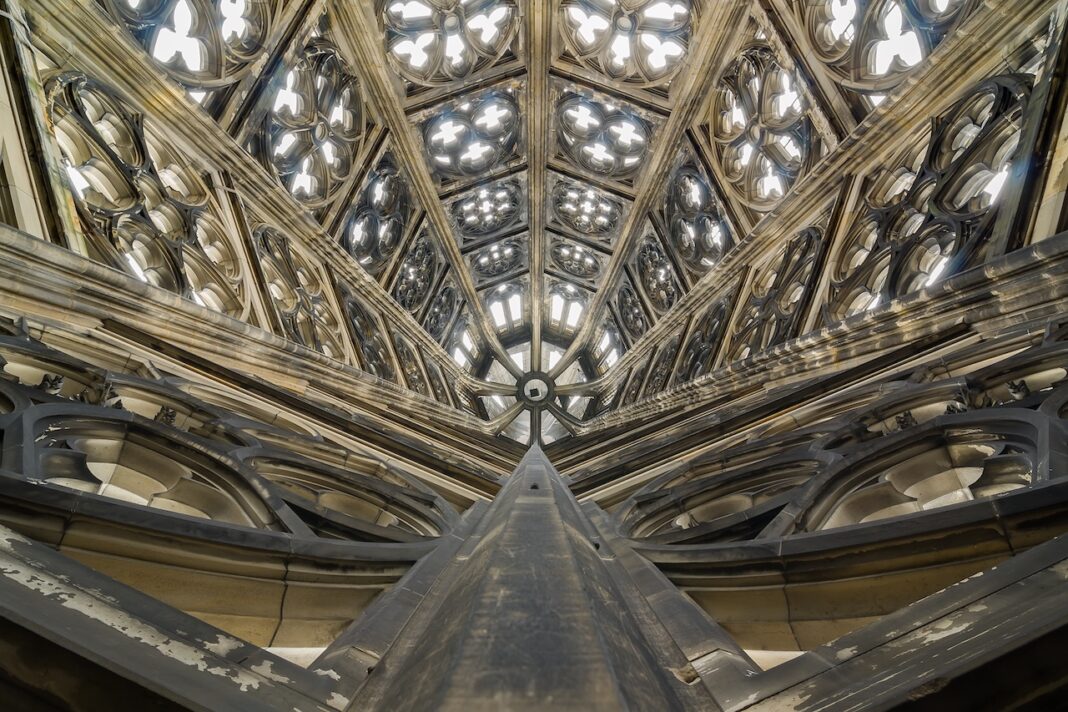


When stepping into a room, have you ever felt a sense of calm wash over you or, conversely, a sudden burst of energy? The way we experience a space is never accidental—it’s a result of intentional design. This fascinating concept underscores the intricate relationship between the built environment and human behavior, demonstrating how thoughtful choices in design can shape emotional responses, enhance functionality, and influence interactions.
Below, we’ll explore how intentional design impacts spaces and the behaviors of those who inhabit them, with insights into the principles and strategies that optimize environments to serve both aesthetic and functional purposes.
The Power of Intentional Design
Intentional design is more than just an aesthetic endeavor; it’s a deliberate process of crafting environments to elicit specific responses. Designers move beyond surface-level visuals to consider how elements like light, texture, color, and spatial layout affect the mind, body, and community.
For example, an open office plan might foster collaboration and collective energy, while a private, enclosed workspace may aid concentration and deep thinking. Spaces aren’t neutral—they carry inherent messages that influence how we feel and behave inside them.
Core Principles That Drive Design and Behavior
1. Human-Centered Design
Great design begins with people at the forefront. By studying human needs, habits, and psychology, designers shape environments that not only look beautiful but also cater to usability and comfort. Ergonomic furniture in offices, sensory-friendly classrooms, and healthcare spaces with calming palettes are all examples of putting human behavior at the center of design choices.
2. The Role of Light and Color
Light—natural or artificial—and color profoundly impact mood and productivity. Bright, warm light can boost alertness, making it ideal for workspaces, while dim, cool lighting fosters a sense of relaxation in living rooms or spas. Similarly, color psychology plays a crucial role: blues and greens often have calming effects, while bold reds and yellows can energize and stimulate activity.
3. Spatial Organization and Flow
How a space is arranged directly affects how people move through it and interact with one another. A cluttered or poorly organized area can lead to frustration and inefficiency, whereas thoughtfully laid-out spaces provide a seamless flow. For instance, wayfinding in airports and malls relies on intuitive spatial design to guide individuals effortlessly from point A to point B.
How Design Shapes Emotion and Interaction
Spaces are a backdrop for countless human experiences—from cherishing quiet moments to forming meaningful relationships. Here’s how design underpins these experiences:
- Promoting Social Connection: Community-oriented spaces like seating arrangements in cafés, coworking lounges, or even urban parks encourage conversation and bonding.
- Encouraging Mindfulness: Environments with biophilic elements (e.g., greenery, water features, or natural sunlight) counteract stress and promote tranquility.
- Influencing Productivity: Schools and workplaces leverage design features like acoustic control, collaboration zones, or quiet corners to cater to specific tasks and cognitive demands.
Bringing Intentional Design Into Everyday Spaces
You don’t need a formal design background to imbue spaces with a sense of intention. By thoughtfully arranging your home, office, or any personal environment, you can craft places that reflect your needs and enhance your well-being.
- At Home: Use soft lighting in the bedroom to foster relaxation, designate a clutter-free workspace for focus, or incorporate natural textures to bring warmth and tranquility into shared spaces.
- At Work: Invest in ergonomic furniture, ensure proper lighting, and design areas for both quiet work and group collaboration.
- In Community Spaces: Advocate for inclusive spaces that cater to diverse needs, ensuring accessibility, comfort, and adaptability are central priorities.
The Everlasting Impact of Intentional Design
Intentional design is a powerful reminder that our surroundings shape who we are. As designers, architects, and everyday individuals, prioritizing thoughtful environments opens doorways to improved well-being, stronger communities, and better-lived experiences. Small, mindful choices have a lasting ripple effect—proving that design is not merely about filling a space, but about giving it purpose.
Ready to transform your space and your mindset? It all starts with intentionality. Start small, but start somewhere.