
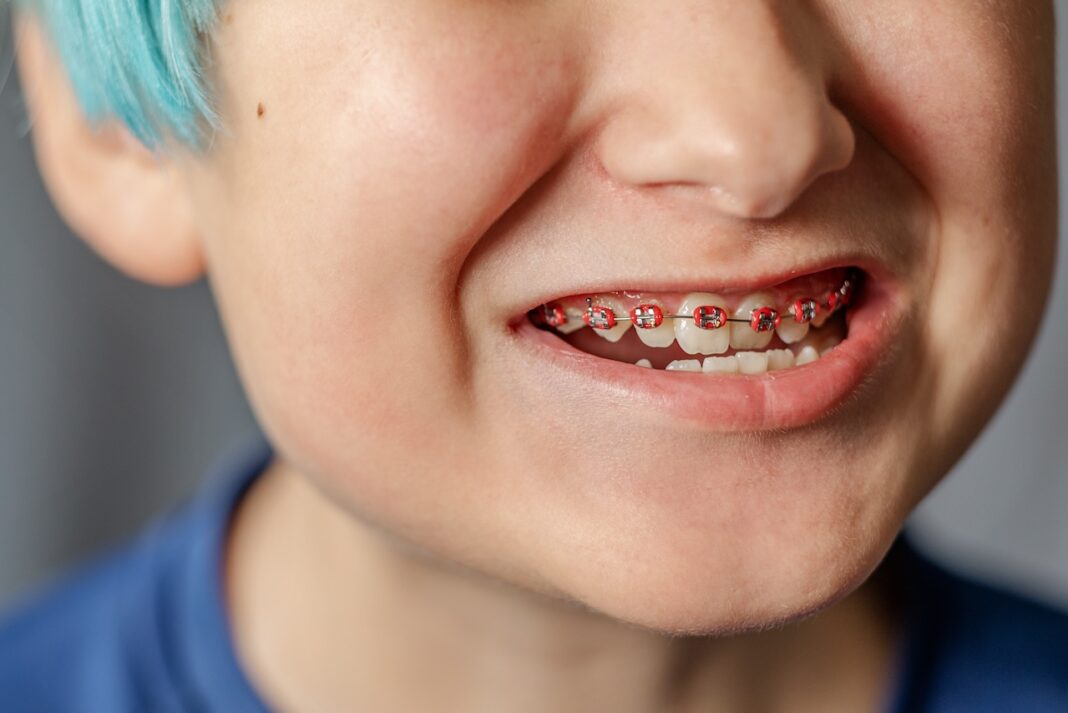


As parents, ensuring your child’s healthy development is always a priority. One essential aspect of their overall well-being is oral health. Orthodontic care often becomes part of this journey, but many parents wonder, “When is the right time for my child to see an orthodontist?”
Understanding when and why you should seek orthodontic advice for your child sets the foundation for long-term dental health. Let’s explore the essential factors to help you make an informed decision.
The Importance of Early Orthodontic Evaluation
The American Association of Orthodontists recommends that children have their initial orthodontic evaluation by the age of 7. But why so early? While most kids may not need active treatment at this stage, a consultation allows an orthodontist to proactively identify potential issues.
Primary teeth, or baby teeth, serve as placeholders for adult teeth. Monitoring their development during this transitional phase helps orthodontists assess if future problems, such as crowding or misalignment, are likely to occur. Early check-ups can pave the way for timely intervention, possibly simplifying or even eliminating the need for more complex treatments in the future.
Signs Your Child May Need an Orthodontic Check-Up
In some cases, it’s obvious that your child might benefit from orthodontic care—crooked teeth, for example, are easy to spot. However, other tell-tale signs might not be as apparent. Here are a few indicators that your child should see an orthodontist:
- Difficulty chewing or biting: Misaligned teeth can make basic tasks like eating uncomfortable.
- Early or late loss of baby teeth: An irregular pattern in losing primary teeth might signal underlying alignment concerns.
- Mouth breathing: This behavior can be linked to improper jaw development.
- Thumb-sucking after age 4: Prolonged thumb-sucking can shift teeth and impact jaw formation.
- Crowded or overlapping teeth: Visible signs of overcrowding may indicate insufficient room for adult teeth to come in correctly.
If you notice any of these symptoms, scheduling a visit to an orthodontist is a smart move.
Timing Orthodontic Treatment
Not every child requires braces or aligners at the same stage in life. Orthodontic treatment typically occurs in phases and depends on individual development:
- Phase I (Early Treatment): Conducted while the child still has a mix of baby and adult teeth, Phase I aims to address significant problems early, such as crossbites or severe crowding.
- Phase II (Comprehensive Treatment): This phase takes place after all permanent teeth have erupted, generally between ages 11 and 14. Treatments like braces or aligners may be recommended to correct alignment and bite issues.
Starting care earlier doesn’t always mean faster results, but it can create a healthy, functional foundation for your child’s teeth and jaws. Orthodontists tailor their treatment plans to suit the unique needs of every child.
The Long-Term Benefits of Orthodontic Care
Orthodontics isn’t merely about straightening teeth. Beyond aesthetics, proper alignment contributes to better oral hygiene, reduced risk of tooth damage, and improved speech and chewing abilities. By addressing dental concerns early, you give your child the gift of a healthier, more confident smile.
Schedule Your Child’s First Visit Today
When it comes to orthodontics, early awareness is key. While some kids may not require treatment right away, consulting with an orthodontist can provide peace of mind and ensure any potential issues are caught early.
Start your child on the path to excellent oral health—schedule their first orthodontic evaluation today. A lifetime of smiles begins with thoughtful planning and timely care.
For more insights on orthodontic care and to learn about treatment options, visit your local orthodontist or trusted dental care provider.